AI Music in Gaming: How Artificial Intelligence is Transforming Game Soundtracks in 2026
Explore how AI music in gaming enhances adaptive soundtracks and audio design in 2026.
AI Music in Gaming
What is AI music in gaming?
AI music in gaming refers to the use of artificial intelligence to create, adapt, and manage soundtracks and sound effects within interactive environments. Unlike traditional scoring, AI-driven music in games can respond dynamically to player actions, changing environments, and emotional cues. As of 2026, this technology has reached maturity, moving from simple adaptive loops to complex procedural compositions that evolve in real time across genres.
Developers now harness machine learning systems capable of generating music that fits gameplay without manual composition. For instance, when a player enters a tense battle scene, the AI can autonomously transform the background soundtrack from calm ambience to high-energy percussive rhythms. This responsiveness strengthens immersion—a key objective for modern game design.
How has AI music evolved in game development?
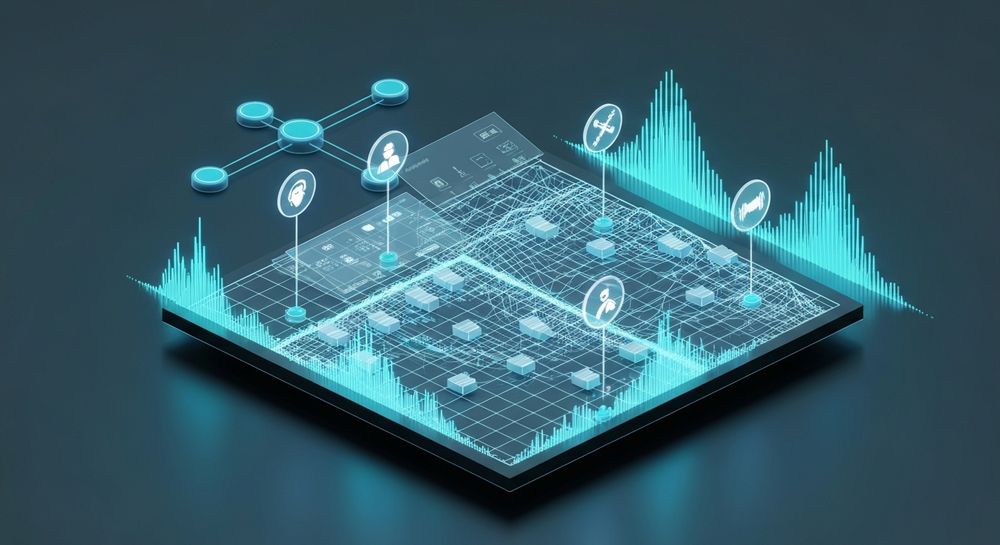
Between 2024 and 2025, AI music generators mainly served as tools for producing royalty-free tracks. By 2026, the shift is toward integration within game engines, enabling real-time adaptation and cross-platform consistency. Machine learning models have expanded beyond loop generation to understand emotional intent and gameplay context.
Game studios use AI not just for efficiency but creative consistency. Adaptive sound scoring is now achievable even for indie developers without access to large orchestras or specialized sound designers. Systems like procedural music generation allow teams to design soundtracks that grow and change throughout the player's journey.
Related technologies such as Soundverse Assistant and AI Magic Tools demonstrate how AI can handle complex compositional processes quickly and ethically.
Why is adaptive game audio important in 2026?
Adaptive game audio ensures that music and sound effects react instantly to the player's in-game behavior or environment variables. This responsiveness helps titles feel alive and cinematic. Gamers in 2026 expect realism not just visually but acoustically—game soundtracks must now match the emotional intensity of the gameplay moment-to-moment.
Adaptive systems monitor inputs such as player location, health level, mission progress, or combat intensity. The soundtrack adjusts accordingly. Instead of looping the same section endlessly, AI-driven sound engines generate unique outcomes every time, keeping the experience fresh. This reduces repetition fatigue and deepens engagement.
Titles in genres such as survival horror and open-world RPGs stand to gain the most. Dynamic audio can emphasize tension or serenity depending on context—something static compositions struggle to achieve. For developers, incorporating adaptive game audio through AI reduces manual labor while maintaining artistic control.
What is procedural music generation and how does it work?
Procedural music generation uses algorithms to compose music programmatically, meaning the output isn’t predetermined but generated through logic and learned patterns. AI models analyze musical structures—tempo, key, genre, mood—and build sequences that evolve naturally.
For example, the system might create infinite variants of a theme suited for exploration sequences or boss fights. Developers feed parameters such as desired tone (“mysterious ocean cave”) or pacing (“fast tempo battle loop”). The algorithm then constructs unique motifs matching these settings.
Compared to static tracks, procedural generation offers scalability. Games with extensive environments can employ diverse soundscapes without consuming excessive storage space. Technologies like Soundverse AI Music Generator simplify this process by enabling developers to craft music directly through text prompts.
For additional insights, the AI Music for Gaming: Enhancing Creativity and Immersion article outlines how adaptive and procedural music revolutionized interactive entertainment.
How does AI-driven sound design enhance player immersion?
AI-driven sound design extends beyond music to include ambient noises, effects, and voice textures. Sound engines now interpret gameplay data to decide appropriate audio layers. If a player moves from an indoor sanctuary to an outdoor battlefield, the AI dynamically rebalances reverb, wind intensity, and environmental noise.
In 2026, sound engineers combine deep learning-based audio rendering with traditional mixing to enhance realism. AI adjusts filter effects to replicate natural transitions—muffling explosions behind walls or increasing volume as characters approach sources.
Game designers benefit from automation while retaining control. Most AI sound design tools allow parameter customization to preserve creative identity. Ethical frameworks like those in Soundverse DNA ensure training data remains licensed and safe for commercial use.
For a deeper dive, watch our guide on creating Deep House music or explore how to make music in Soundverse.
What are the current trends in AI music and gaming integration?
The major trends defining 2026 include:
- Emotion-driven composition: AI detects emotional pacing in games—hope, fear, triumph—and aligns musical phrasing accordingly.
- Hybrid orchestration: Developers blend human-composed leads with AI-generated ambient layers for cinematic depth.
- Player-personalized soundtracks: AI tailors music to individual play styles, making every player's audio journey unique.
- Cross-platform consistency: With centralized cloud AI systems, games reproduce identical sound experiences across console, PC, and mobile.
- Ethical AI licensing: New training protocols ensure game studios use legally sourced, royalty-free audio data.
This transformation mirrors broader music industry trends of the mid-2020s—where generative models support rather than replace creative labor.
What challenges do developers face with AI music in gaming?
Despite its promise, AI-driven audio systems pose challenges:
- Creative control: Balancing AI autonomy with composer vision can be complex.
- Consistency: Generated soundtracks sometimes vary unpredictably, requiring refinement.
- Performance optimization: Implementing adaptive audio algorithms increases CPU demand.
- Ethical sourcing: Not all AI tools guarantee copyright safety; systems like Soundverse DNA solve this.
Developers now prioritize stable integration—linking AI generation tools directly to middleware like FMOD or Wwise to ensure seamless synchronization.
How to make AI music in gaming with Soundverse AI Music Generator
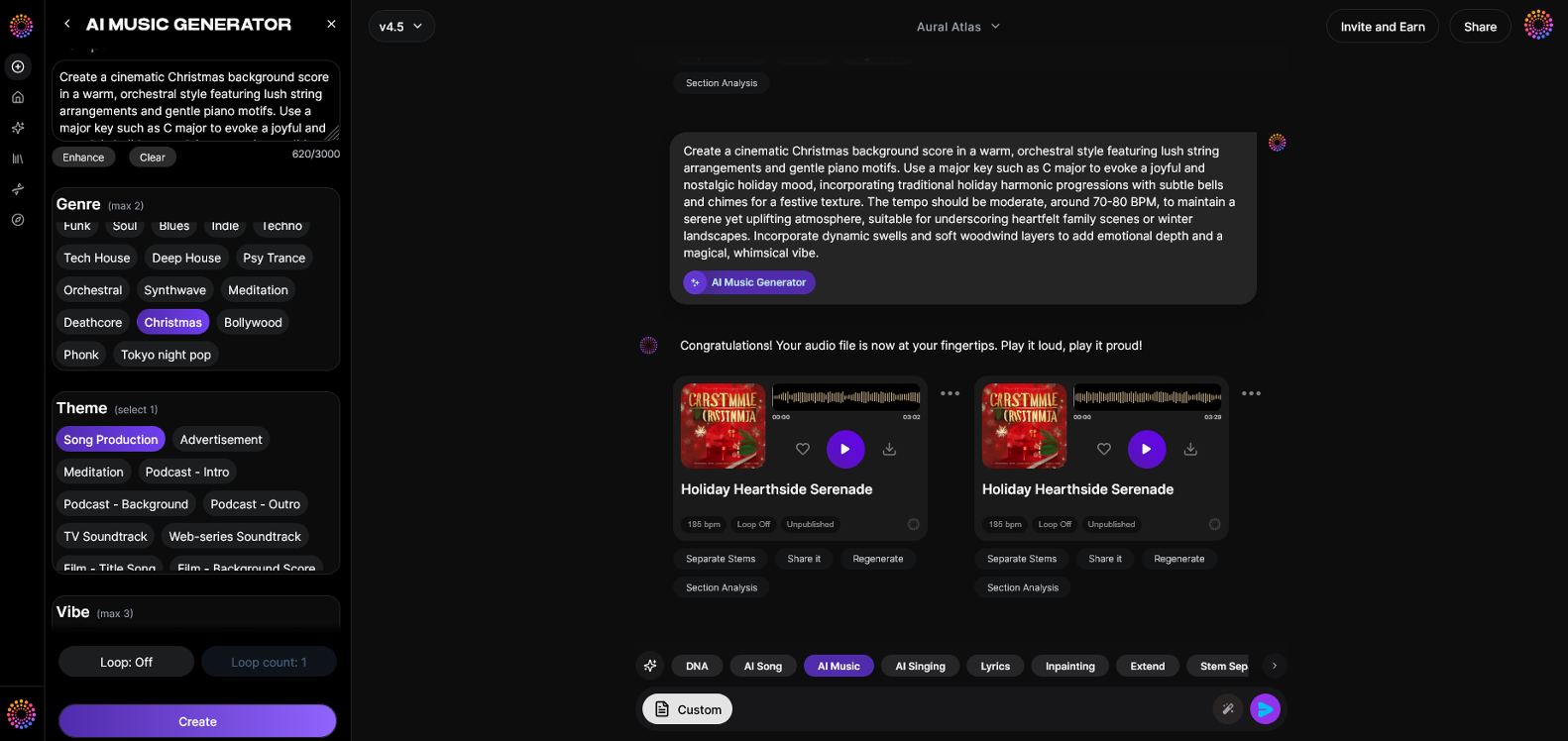
Now that you understand AI music in gaming and its role in modern sound design, here is how you can create adaptive soundtracks instantly using Soundverse.
Soundverse AI Music Generator is a professional-grade text-to-music tool optimized for game development. It creates fully produced instrumental music from textual prompts, specializing in background tracks, beats, and soundscapes. This makes it ideal for adaptive environments and procedural generation.
Key Capabilities:
- Text-to-Music Generation: Transform written concepts into polished music suitable for loops and gameplay cues.
- Loop Mode: Ensure seamless repetition in-game without noticeable breaks.
- Detailed Control: Customize genre, mood, and instrument layers for precision matching.
- V4 and V5 Models: Choose between generation styles optimized for cinematic realism or stylized electronic ambience.
Typical Use Cases:
- Game soundtracks and level-specific loops.
- Atmospheric exploration scenes or tension-filled battles.
- Meditation or wellness-based mini-games.
- Advertising-style in-game promotional audio.
By entering a short description—such as “dark futuristic stealth ambiance with subtle percussion”—the system generates adaptive loops ready for integration into your gaming engine. Developers can sample various iterations quickly, ensuring thematic accuracy.
For game studios looking to extend gameplay tracks without loss of coherence, the Extend Music tool complements this workflow—it lengthens tracks while maintaining the same tempo and key. Meanwhile, Similar Music Generator helps match AI compositions to director-approved references for continuity. These connected modules broaden creative flexibility while maintaining efficiency.
For practical examples of genre-specific creation, explore guides like How to Create Country Music with Soundverse AI or How to Create EDM with Soundverse AI. Each demonstrates how text prompts translate into full instrumental compositions tuned for specific moods.
Bring Your Game Worlds to Life with AI Music
Generate adaptive soundtracks that evolve with gameplay, mood, and intensity. Soundverse lets you compose dynamic, royalty-free music in minutes—perfect for game developers seeking next-level immersion.
Related Articles
- The Role of AI Music in Film and Television — Discover how AI-generated music is shaping storytelling and emotional resonance in cinematic productions.
- How AI-Generated Music Is Transforming the Music Industry — Explore the technological revolution redefining how artists and producers approach composition and collaboration.
- Soundverse AI: Revolutionizing Music Creation for New-Age Content Creators — Learn how Soundverse empowers creators to produce professional-grade music effortlessly with AI tools.
- AI Music Generator and Human Composers: A Future Together — Understand how AI complements human creativity and opens new possibilities for collaborative composition.
Here's how to make AI Music with Soundverse
Video Guide
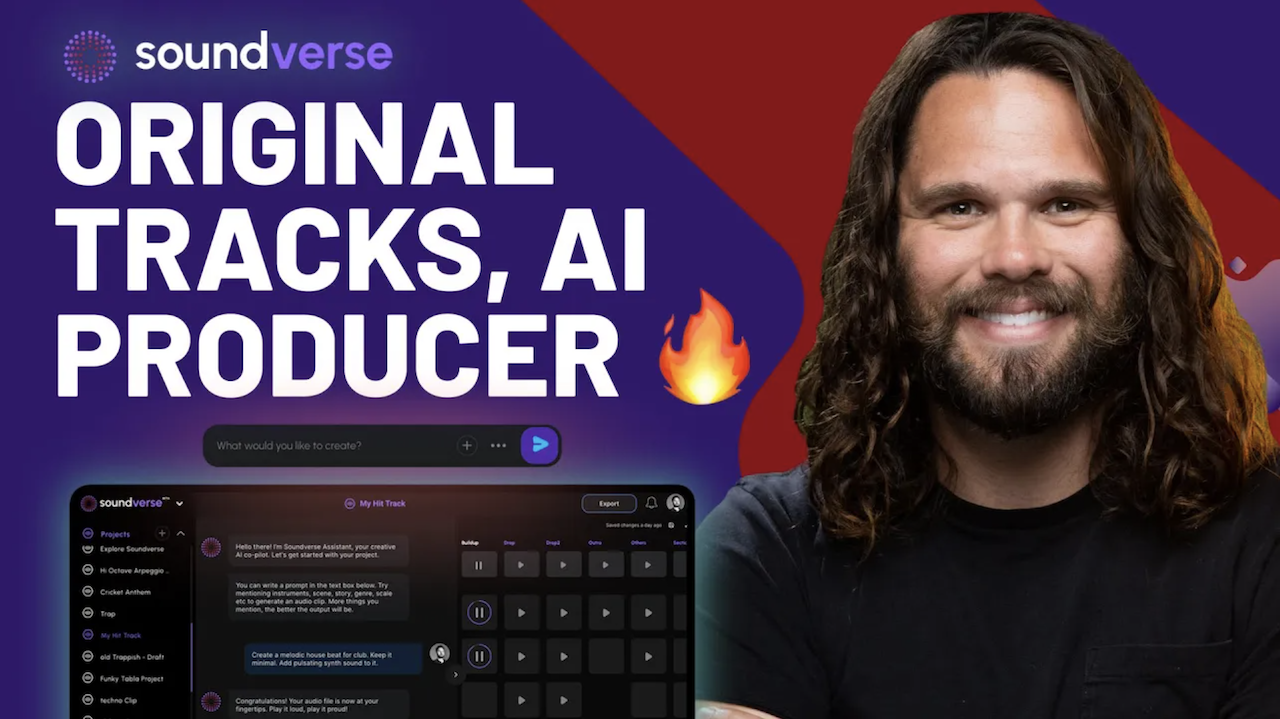
Here’s another long walkthrough of how to use Soundverse AI.
Text Guide
- To know more about AI Magic Tools, check here.
- To know more about Soundverse Assistant, check here.
- To know more about Arrangement Studio, check here.
Soundverse is an AI Assistant that allows content creators and music makers to create original content in a flash using Generative AI. With the help of Soundverse Assistant and AI Magic Tools, our users get an unfair advantage over other creators to create audio and music content quickly, easily and cheaply. Soundverse Assistant is your ultimate music companion. You simply speak to the assistant to get your stuff done. The more you speak to it, the more it starts understanding you and your goals. AI Magic Tools help convert your creative dreams into tangible music and audio. Use AI Magic Tools such as text to music, stem separation, or lyrics generation to realise your content dreams faster. Soundverse is here to take music production to the next level. We're not just a digital audio workstation (DAW) competing with Ableton or Logic, we're building a completely new paradigm of easy and conversational content creation.
TikTok: https://www.tiktok.com/@soundverse.ai Twitter: https://twitter.com/soundverse_ai Instagram: https://www.instagram.com/soundverse.ai LinkedIn: https://www.linkedin.com/company/soundverseai Youtube: https://www.youtube.com/@SoundverseAI Facebook: https://www.facebook.com/profile.php?id=100095674445607
Join Soundverse for Free and make Viral AI Music
 We are constantly building more product experiences. Keep checking our Blog to stay updated about them!