Where Music Deserts Exist and Why They Matter in 2026
Explore the concept of music deserts, their impact on communities, and how AI tools like Soundverse can help bridge cultural and educational gaps.
Where Music Deserts Exist and Why They Matter
What are music deserts and how do they form?
The term music deserts describes regions—often rural or economically disadvantaged urban areas—where residents have little or no access to music education, live performances, or affordable music creation resources. Similar to food deserts or broadband deserts, these areas emerge due to a mix of structural barriers, funding disparities, and geographic isolation. In 2026, despite increased cultural policy attention to arts accessibility, music deserts still persist in large parts of the world.
Music deserts develop through overlapping factors: lack of school music programs, limited community arts funding, and absence of industry infrastructure. When local schools cut music programs, children lose not only artistic exposure but also developmental benefits associated with rhythm and creativity. Without community music programs or venues, adults face few ways to engage with musical culture beyond digital platforms.

Why do music deserts matter in 2026?
In 2026, conversations around cultural accessibility and music industry inequality have intensified. Policymakers recognize that music isn't just entertainment—it’s cultural capital. Research shows that communities with strong access to music education tend to have higher social cohesion, improved youth performance in academics, and greater overall well-being.
When people live in music deserts, they lose opportunities for expression and identity-building. These voids amplify inequality because creative skills, networking opportunities, and cultural experiences often cluster in cities with robust arts ecosystems. A young student in a well-funded urban school may have full access to instruments, mentors, and recording equipment, while a rural student might never encounter structured music education at all.
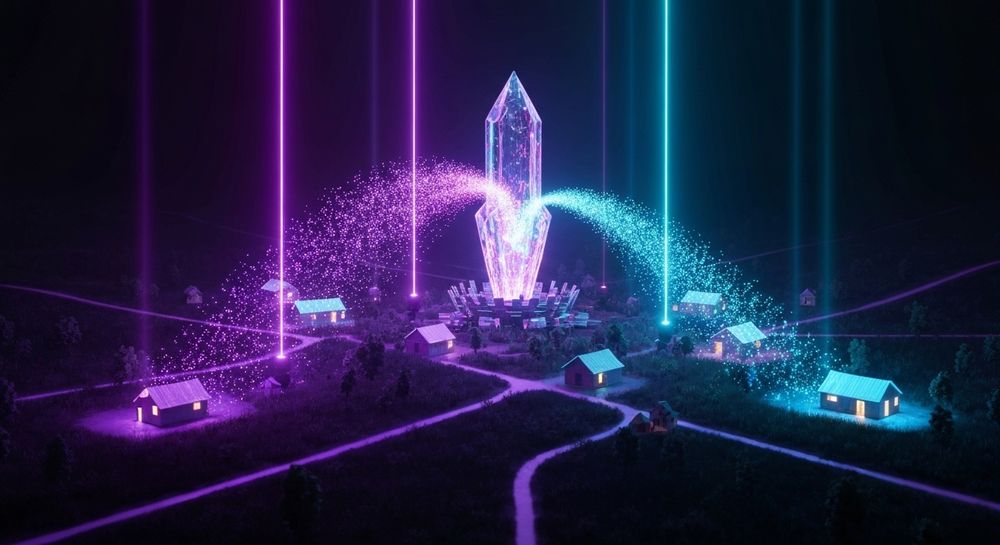
Where do music deserts exist today?
Music deserts are not confined to developing nations—they exist in advanced economies as well. In North America, rural communities across the Midwest and Appalachia often report dwindling arts access. In parts of Africa and Asia, limited broadband and low rural arts funding exacerbate the issue. Even metropolitan regions can have localized music deserts within low-income neighborhoods, where arts funding rarely reaches grassroots initiatives.
Mapping studies from the past two years reveal clusters of music deserts aligned with areas suffering from limited public school budgets. As of 2026, new policies are being tested to identify these gaps with precision, including digital mapping of music education resources and access indexes developed by arts councils.
What causes music deserts to persist despite technological growth?
The digital revolution and widespread streaming promised universal cultural access, but this hasn't eliminated music deserts. Access to listening platforms doesn’t equal access to music education or creation. Many schools continue to cut arts programs in favor of STEM subjects, citing budget constraints. Meanwhile, community organizers struggle to secure grants for small music gatherings or youth ensembles.
Technology has democratized music creation tools, but disparities in awareness, connectivity, and equipment still hinder equal access. For instance, some rural educators may not know about affordable AI music solutions or online composition tools. This knowledge gap keeps many communities behind the curve.
For a deeper look at creative accessibility, watch our Soundverse Tutorial Series - How to Make Music and explore the “Explore” Tab walkthrough.
How community music programs help fight music deserts
Community music programs remain key to revitalizing artistic access. Initiatives that provide free instruments, local mentorship, or workshops can transform cultural participation rates. In 2026, many hybrid models blend physical and online resources—allowing students from remote areas to join virtual ensemble sessions.
These grassroots efforts often rely on small-scale funding from local councils or cultural nonprofits. Increased investment in community music programs not only improves creative education but also contributes to social inclusion goals. As reported in recent music industry trends, hybrid collaborations between public institutions and tech companies now aim to expand digital learning platforms specifically for music education.
What role does rural arts funding play?
Rural arts funding is a major determinant in whether music deserts shrink or expand. When regions lack dedicated cultural grants, local schools and organizers face an uphill battle. Governments and foundations are beginning to recognize this disparity. In the United States, for instance, new rural arts initiatives launched in 2025 have begun delivering instruments and digital licenses for composition tools to underserved communities.
However, experts caution that sustainable impact requires continuity—one-time donations cannot replace systemic curriculum inclusion. Until educational budgets include structured arts components at every stage, rural communities will continue to rely on short-term interventions to survive culturally.
Are music deserts purely a geographic problem?
No. Geography is significant, but music deserts also reflect broader socioeconomic and cultural inequality. Urban environments can contain micro music deserts—areas where certain demographics, particularly marginalized communities, have limited access to studios, performance spaces, or mentorship networks.
Technology can mitigate some geographic limitations, but financial barriers and social perceptions persist. Cultural policymakers now frame music deserts as intersectional spaces where economics, education, and technology overlap.
How technology and AI can bridge the gap
While traditional approaches focus on funding and education, technology offers an additional pathway to accessibility. AI-powered composition platforms, for example, allow individuals to create music without the need for instruments or formal training. These tools serve as stepping stones for students and communities in music deserts to begin exploring creativity.
In educational outreach frameworks, AI composition tools can complement traditional instruction. Teachers in remote areas can use text-to-music generators to demonstrate musical principles, enabling more inclusive entry points to creative learning. This combination of policy support and technological innovation defines the 2026 model of cultural accessibility.
To further understand how AI-generated music supports creators, you can explore articles like How AI-Generated Music Is Transforming the Music Industry or Generate AI Music with Soundverse Text-to-Music.
How to make music in and about music deserts with Soundverse AI Music Generator
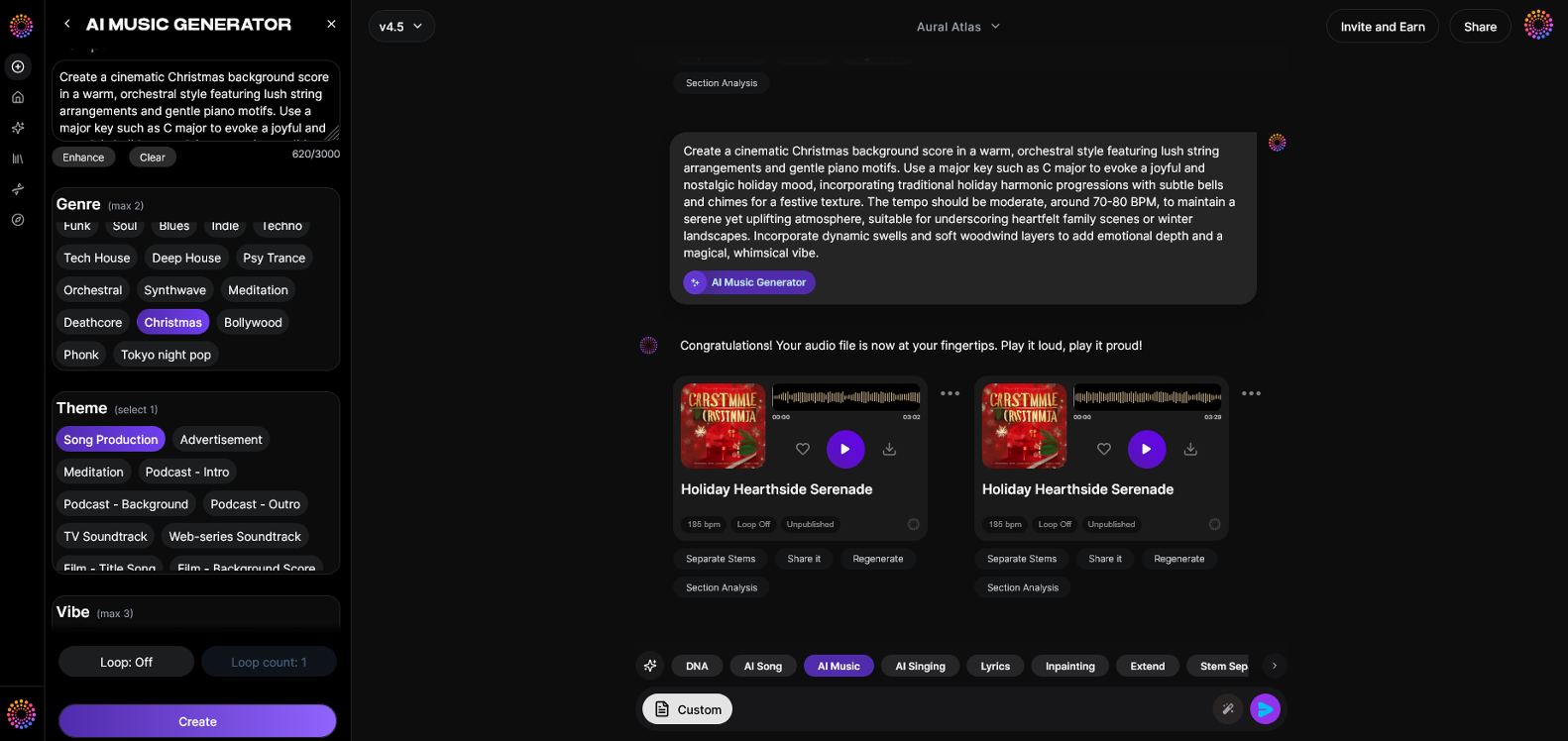
Now that you understand what music deserts represent and why they matter, here is how Soundverse empowers users to creatively capture these landscapes—both literally and metaphorically.
The Soundverse AI Music Generator enables anyone to create fully produced instrumental music simply from text prompts. Its text-to-music functionality allows community educators, students, and project leaders in regions lacking instruments or recording facilities to generate rich, immersive tracks reflecting their environment.
You can describe scenes such as “quiet rural morning with acoustic textures” or “hopeful community rhythm in a desert town,” and the AI instantly builds instrumental soundscapes without vocals. The platform includes:
- Loop Mode: For repeating tracks suited for meditation sessions or long-form events.
- Genre and mood control: Users can tailor compositions to educational projects, short films, or cultural campaigns.
- V4 and V5 model options: Higher detail control for instrument layering and realism.
These generated tracks can be used in digital storytelling, advertising, or well-being programs, filling the creative gap for communities located within music deserts. Pairing AI generation with outreach initiatives strengthens cultural resilience and gives educators tools that work even in the absence of traditional instruments.
To see how this process integrates into varied music genres, explore linked pieces such as How to Create Country Music with Soundverse AI, How to Create Healing Meditation Music with Soundverse AI, or How to Create Music Evoking the Desert.
Discover and Create Beyond Music Deserts
Unlock endless creative possibilities with Soundverse’s AI-powered music generation tools. Bridge gaps, inspire fresh sounds, and bring music access to every corner of the world.
Start Creating with Soundverse
Related Articles
- How to Create Music Evoking the Desert: Learn how atmospheric sound design and AI composition can capture the essence of desert landscapes and emotions.
- How AI-Generated Music Is Transforming the Music Industry: Explore how artificial intelligence is reshaping creativity, accessibility, and production in the global music scene.
- AI Music in the USA: Delve into how AI music innovation is evolving across American cities and influencing creative ecosystems.
- The Role of AI Music in Film and Television: Discover how AI-driven soundtracks are redefining visual storytelling and empowering creators worldwide.
Here's how to make AI Music with Soundverse
Video Guide
Here’s another long walkthrough of how to use Soundverse AI.
Text Guide
- To know more about AI Magic Tools, check here.
- To know more about Soundverse Assistant, check here.
- To know more about Arrangement Studio, check here.
Soundverse is an AI Assistant that allows content creators and music makers to create original content in a flash using Generative AI. With the help of Soundverse Assistant and AI Magic Tools, our users get an unfair advantage over other creators to create audio and music content quickly, easily and cheaply. Soundverse Assistant is your ultimate music companion. You simply speak to the assistant to get your stuff done. The more you speak to it, the more it starts understanding you and your goals. AI Magic Tools help convert your creative dreams into tangible music and audio. Use AI Magic Tools such as text to music, stem separation, or lyrics generation to realise your content dreams faster. Soundverse is here to take music production to the next level. We're not just a digital audio workstation (DAW) competing with Ableton or Logic, we're building a completely new paradigm of easy and conversational content creation.
TikTok: https://www.tiktok.com/@soundverse.ai
Twitter: https://twitter.com/soundverse_ai
Instagram: https://www.instagram.com/soundverse.ai
LinkedIn: https://www.linkedin.com/company/soundverseai
Youtube: https://www.youtube.com/@SoundverseAI
Facebook: https://www.facebook.com/profile.php?id=100095674445607
Join Soundverse for Free and make Viral AI Music

We are constantly building more product experiences. Keep checking our Blog to stay updated about them!