What Music Deserts Are and Why They Matter in 2026
Explore what music deserts are, their impact on access and inequality, and how Soundverse helps bridge musical divides.
What Music Deserts Are and Why They Matter
What are music deserts and why do they matter in 2026?
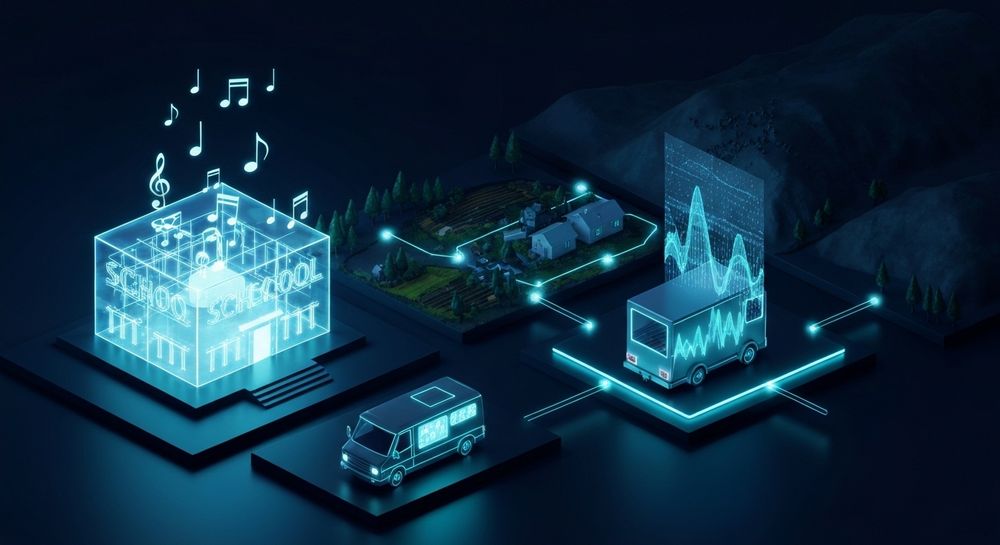
In 2026, as communities worldwide push for greater equality in education and cultural resources, one often-overlooked issue remains: music deserts. These are areas—urban or rural—where residents lack access to music education, community music programs, and spaces for musical engagement. Much like “food deserts” which describe places lacking healthy food options, music deserts reflect cultural inequality in music and limited access to creative opportunities.
What defines a music desert?
A music desert exists when people have little or no means to engage in musical creation or appreciation. This can manifest as:
- Absence of school-based music education programs.
- Few or no community centers offering musical activities.
- Lack of local performances or venues.
- Insufficient teachers or infrastructure for instruction.
These elements combine to create underserved music communities where individuals cannot easily access tools for creative expression or formal training.
Why do music deserts exist?
Several structural and social factors contribute to the rise of music deserts:
- Funding inequality: Schools and local governments often prioritize STEM or athletics over arts, leaving music programs underfunded or cut.
- Economic disparities: Music lessons, instruments, and venues require investment. Families and communities with limited means may not afford these luxuries.
- Geographic isolation: Rural areas far from cultural hubs face additional barriers to participation.
- Policy gaps: Policymakers may lack awareness of how cultural engagement supports emotional well-being and community cohesion.
By 2026, these issues have sharpened due to post-2024 budget realignments and lingering economic recovery efforts, with many communities still rebuilding local arts education.
How do music deserts impact access to music education?
The most tangible effect of music deserts is diminished access to music education. Children growing up in these areas miss foundational learning opportunities—reading music, playing instruments, or composing songs. As early exposure strongly correlates with lifelong artistic engagement, the absence of education can block entire generations from developing musical skills.
Educators note that students in music desert zones display lower creative confidence, fewer extracurricular opportunities, and weaker cross-cultural empathy through arts involvement. Without programs that foster active participation, talent remains undiscovered.
To explore how music creation technology is shaping accessibility, see How AI-Generated Music is Transforming the Music Industry.
What role do community music programs play in revitalizing underserved regions?
Community music programs provide a direct solution to mitigating music deserts. These initiatives often operate through nonprofits, schools, or local governments and include:
- Free instrument lending libraries.
- Public music-making spaces or classes.
- Mobile teaching programs connecting remote areas.
- Partnerships with local artists for workshops.
Such efforts promote inclusion and create shared cultural identity, combating the isolation that music deserts foster. When implemented correctly, community programs can transform neighborhoods, offer social support, and strengthen intercultural ties.
However, sustaining these projects requires both consistent funding and community buy-in. Policymakers must recognize the social value of such programs as they offer both educational and emotional benefits. For a deeper dive, watch our guide on creating Deep House music and see how digital engagement complements local teaching efforts.
For a deeper look into modern community-based creativity tools, read Soundverse Introduces Stem Separation AI Magic Tool.
How do music deserts intersect with cultural inequality?
Cultural inequality in music deepens where music deserts exist. Marginalized groups often face exclusion from mainstream music scenes, both economically and socially. In these environments, cultural preservation suffers as traditional art forms fade from lack of support.
This imbalance has ripple effects. Without exposure to diverse music traditions, society loses creative diversity. Media representation becomes skewed toward affluent, urban creators—distorting perception of who contributes to music culture.
In 2026, addressing cultural inequality means investing in inclusive technology, funding music teachers in rural districts, and supporting public-access creation platforms.
What are the new approaches in 2026 to address music deserts?
The year 2026 marks a turning point. Technology-based solutions, particularly AI-driven music creation, allow people from underserved backgrounds to participate regardless of location or cost barriers. AI tools have democratized access to creative production, enabling users to produce instrumental music with minimal equipment.
Digital innovation also supports local educators. Teachers can use online platforms for remote instruction, expanding reach beyond physical classrooms. Public libraries and community centers increasingly offer digital music labs where creators can experiment affordably. For a deeper dive, watch our tutorial on how to make music.
To learn how AI is enhancing music education, check Soundverse AI Revolutionizing Music Creation for New Age Content Creators.
Why should policymakers and industry leaders care about music deserts?
Music deserts represent not just artistic voids but social inequities. Music fosters communication, empathy, and mental health. Communities with active music engagement report stronger social bonds and improved emotional resilience. As evidence mounts linking musical education to holistic learning, ignoring these deserts becomes a policy failure.
Policymakers can advocate by:
- Redirecting arts funding to underserved districts.
- Creating grants for community music programs.
- Partnering with technology providers to offer digital creation tools.
Industry professionals also play a role. Music companies expanding outreach through affordable online education, AI-based platforms, and scholarship initiatives help reduce the gap in musical access.
How can technology bridge music accessibility gaps?
Music accessibility has become a digital conversation. Virtual production platforms, mobile recording apps, and text-to-music generators have radically transformed how people create. These innovations dissolve traditional entry barriers—no studio, instrument, or technical expertise needed.
Soundverse, through its AI Music Generator, exemplifies this inclusive transformation. By converting written prompts into fully produced instrumental tracks, even users without prior experience can generate background music, beats, and soundscapes tailored to their needs. This capability offers new musical potential for educators, organizers, and communities navigating music deserts.
For a stronger understanding of Soundverse functionality, visit our Explore Tab video.
How to make music solutions for music deserts with Soundverse AI Music Generator
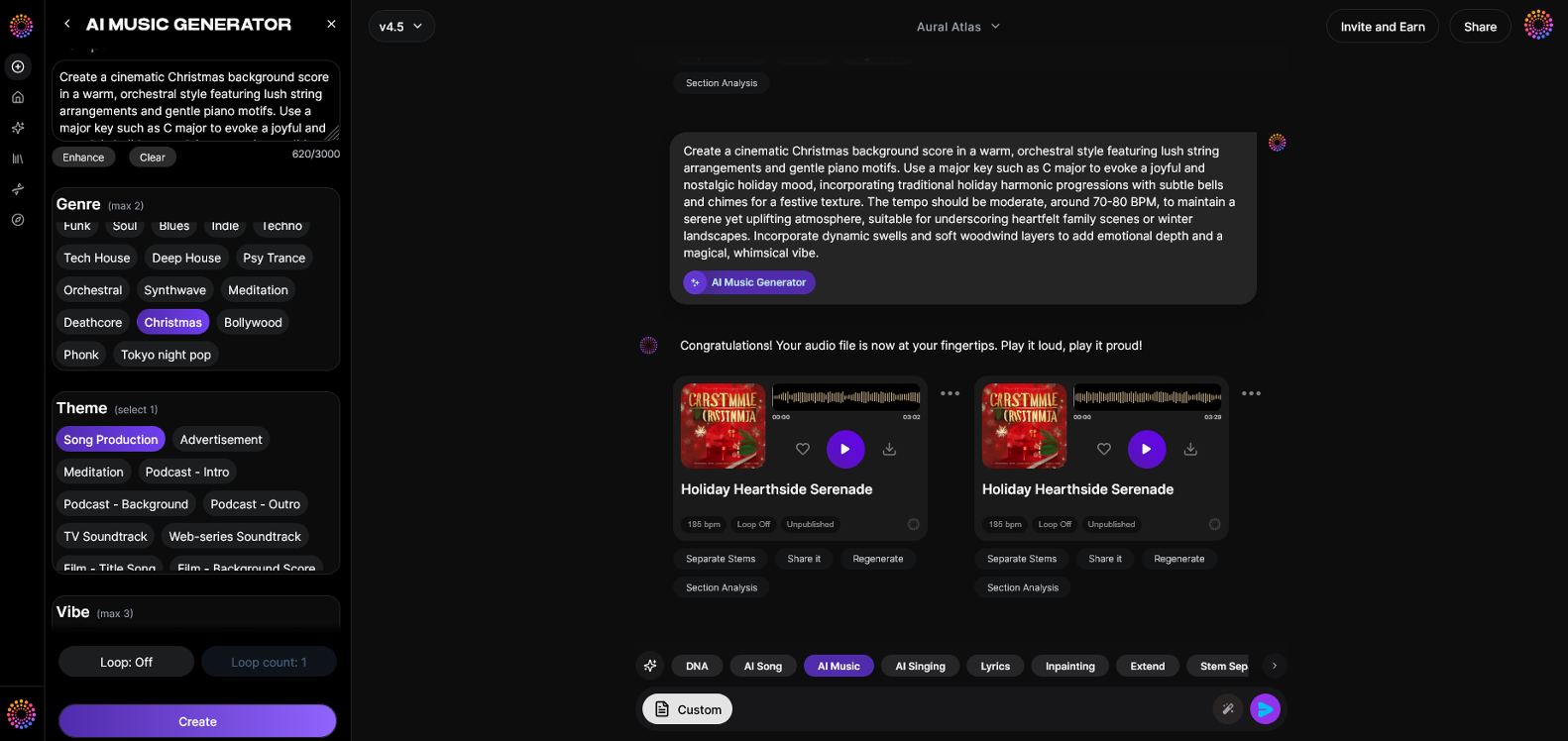
Now that you understand what music deserts are and why they matter, here's how you can use Soundverse to help bridge those gaps in musical access.
Soundverse’s AI Music Generator allows users to create fully produced instrumental music directly from text prompts. It specializes in background tracks, beats, and ambient soundscapes—perfect for community workshops, educational videos, and wellness sessions.
Core capabilities include:
- Text-to-music synthesis.
- Loop Mode for seamless repetition.
- Detailed control of genres, mood, and instruments.
- Choice between advanced V4 and V5 model versions.
These features enable educators, community organizers, and artists to demonstrate musical concepts without relying on expensive studio setups. As the platform focuses solely on instrumental production without vocals, users can craft educational compositions, meditative soundscapes, or looping practice tracks.
Community music leaders can integrate Soundverse with teaching sessions or local outreach programs, giving underserved students instant access to custom music for learning or creativity. Educators may also use its generated loops to demonstrate rhythm patterns, genre experimentation, or background scoring for student videos.
Those seeking genre inspiration can explore Generate AI Music with Soundverse Text-to-Music and How to Create Healing Meditation Music with Soundverse AI to see diverse applications across cultural and educational contexts.
By empowering creators from any location, Soundverse becomes more than a tool—it is a gateway to reshaping how communities express themselves musically.
The broader impact
Music deserts may persist as a challenge, but democratized technology now offers tangible pathways forward. Through AI music platforms and renewed investment in community arts, educators and policymakers can foster inclusive participation in music creation. As digital accessibility continues to expand in 2026, eliminating music deserts becomes not just a cultural goal but a social imperative.
In a world increasingly defined by connection and creativity, ensuring that every voice—and every rhythm—has a space to be heard is essential for true cultural equality.
Turn Music Deserts into Creative Landscapes
Unleash the power of AI to bring music to communities and creators everywhere. Discover how Soundverse makes producing, sharing, and revitalizing sound effortless and inspiring.
Start Creating with AI Music
Related Articles
- How to Create Music Evoking the Desert: Explore how AI tools help you craft music inspired by vast, empty soundscapes and bring emotion to desert-inspired compositions.
- AI Music in the USA: Dive into how artificial intelligence is reshaping America’s music scene and bridging creative gaps across regions.
- How AI-Generated Music is Transforming the Music Industry: Learn about the revolutionary impact of AI-generated music and how it’s empowering artists and producers worldwide.
- The Role of AI Music in Film and Television: Discover how AI-driven compositions are changing the way filmmakers and showrunners approach music scoring.
Here's how to make AI Music with Soundverse
Video Guide
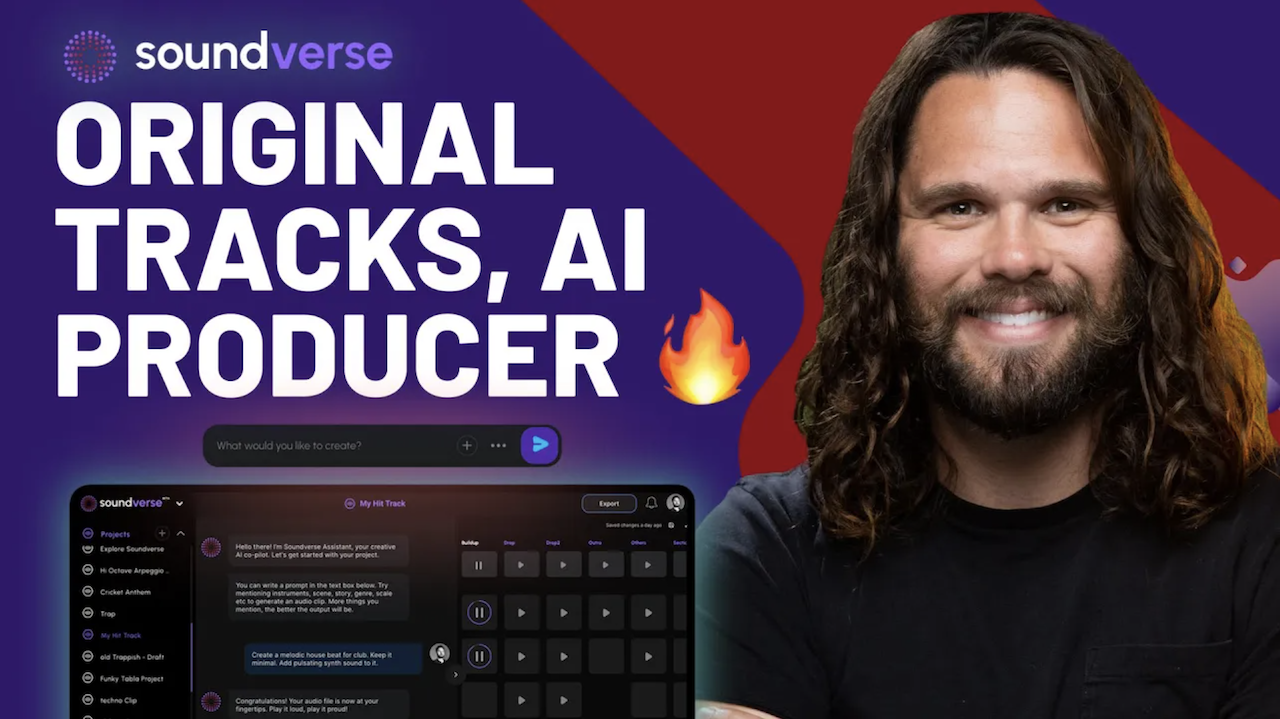
Here’s another long walkthrough of how to use Soundverse AI.
Text Guide
- To know more about AI Magic Tools, check here.
- To know more about Soundverse Assistant, check here.
- To know more about Arrangement Studio, check here.
Soundverse is an AI Assistant that allows content creators and music makers to create original content in a flash using Generative AI. With the help of Soundverse Assistant and AI Magic Tools, our users get an unfair advantage over other creators to create audio and music content quickly, easily and cheaply. Soundverse Assistant is your ultimate music companion. You simply speak to the assistant to get your stuff done. The more you speak to it, the more it starts understanding you and your goals. AI Magic Tools help convert your creative dreams into tangible music and audio. Use AI Magic Tools such as text to music, stem separation, or lyrics generation to realise your content dreams faster. Soundverse is here to take music production to the next level. We're not just a digital audio workstation (DAW) competing with Ableton or Logic, we're building a completely new paradigm of easy and conversational content creation.
TikTok: https://www.tiktok.com/@soundverse.ai
Twitter: https://twitter.com/soundverse_ai
Instagram: https://www.instagram.com/soundverse.ai
LinkedIn: https://www.linkedin.com/company/soundverseai
Youtube: https://www.youtube.com/@SoundverseAI
Facebook: https://www.facebook.com/profile.php?id=100095674445607
Join Soundverse for Free and make Viral AI Music
 We are constantly building more product experiences. Keep checking our Blog to stay updated about them!