What Is Underscoring in Film? Understanding the Invisible Art of Cinematic Music
Learn how underscoring in film enhances emotion and storytelling through cinematic music and film scoring techniques.
What Is Underscoring in Film?
What Is Underscoring in Film?
Underscoring in film refers to the use of background music that plays beneath dialogue and scenes to subtly convey emotion, tension, or atmosphere. Unlike featured songs or diegetic music that characters can hear, underscoring operates in the background—often unnoticed but deeply felt. For film students, composers, and enthusiasts, understanding how underscoring works is essential for grasping the emotional architecture of cinema.
In 2026, film scoring techniques continue to evolve, driven by advances in AI-assisted composition and increasingly complex cinematic storytelling. The timeless role of underscoring, however, remains unchanged: it guides the viewer’s emotional response while enhancing narrative pacing.
Why Is Underscoring in Film Important?
Without underscoring, movies would feel emotionally flat. From the haunting strings in psychological thrillers to the serene piano motifs in romantic dramas, underscoring gives cinematic depth and coherence. It bridges the gap between visuals and emotions, directing how the audience feels without overtly drawing attention.
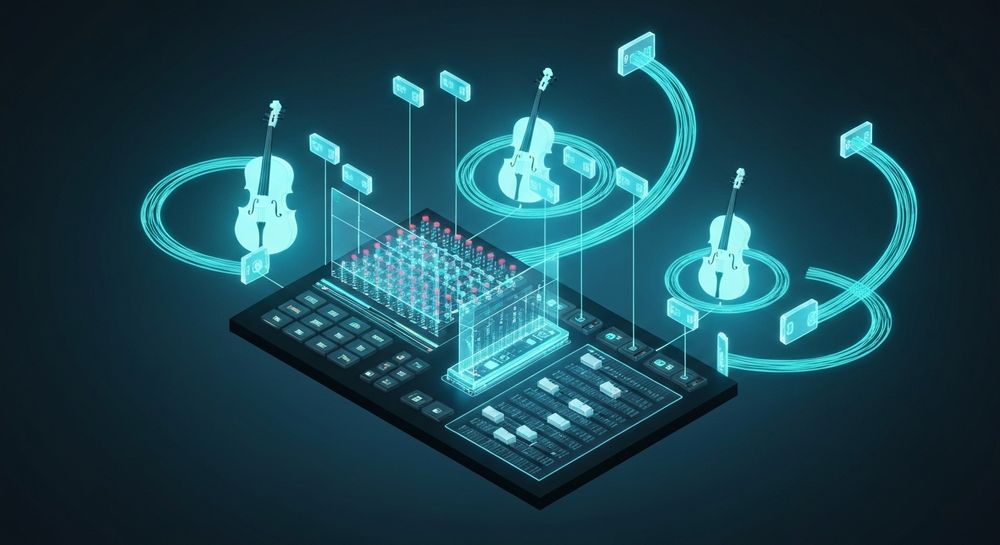
In classic cinema, orchestral underscoring created grandeur and continuity. Today, composers blend traditional symphonies with ambient textures, electronic pulses, and hybrid scores powered by modern tools. This evolution reflects how movie soundtrack composition in the digital era has become integral to immersive storytelling.
How Underscoring Shapes Emotion and Storytelling
Underscoring manipulates rhythm, harmony, and dynamics to strengthen narrative structure:
- Emotion amplification: Music mirrors internal feelings of characters even when they remain silent.
- Scene transitions: Subtle motifs connect one sequence to another, ensuring thematic unity.
- Foreshadowing: Composers use tonal shifts to hint at upcoming danger or revelation.
- Character identity: Recurrent cues define protagonists or antagonists through signature themes.
- Tone consistency: Keeps the film’s emotional palette coherent, whether suspenseful or romantic.
Film score analysis often reveals that underscoring techniques shape how audiences perceive pacing and intent. For instance, high-frequency strings can heighten anxiety, while sustained low notes signify dread or mystery.

What Are Common Film Scoring Techniques Used in Underscoring?
Modern composers employ a variety of methods to build effective underscoring:
- Leitmotif development: Creating recurring musical themes tied to specific characters or ideas.
- Minimalist layering: Using sparse textures and simple harmonies that blend seamlessly with dialogue.
- Dynamic contouring: Shaping crescendos and decrescendos according to emotional beats.
- Tonal modulation: Changing key centers to match shifts in emotional tone.
- Hybrid orchestration: Combining acoustic instruments with synthesized elements for richer sound design.
These film scoring techniques enable composers to maintain subtle emotional connectivity while ensuring the music does not overshadow the narrative.
The Role of Technology in Modern Underscoring
AI tools have transformed how composers approach movie soundtrack composition. In 2026, software can analyze mood, tempo, and scene intensity faster than ever, allowing artists to focus on creativity rather than repetitive technical adjustments.
Platforms like Soundverse have emerged as practical solutions for filmmakers who need adaptive, copyright-safe cinematic music. With such platforms, composers can prototype emotional underscoring tailored precisely to a reference scene or director’s vision.
If you're exploring digital scoring, you can also read about AI music in the film and television industry and how tools are reshaping modern soundtrack workflows.
Examples of Effective Underscoring in Cinema
Consider a still moment in a drama—the absence of dialogue replaced by a slow, mournful cello line. The music doesn’t demand attention but evokes empathy. Or imagine a sci-fi adventure where pulsating synth textures underline suspense and motion. These scores demonstrate how underscoring acts as emotional glue.
Through film score analysis, one finds that underscoring often succeeds because of restraint. Composers intentionally avoid dominating the scene, focusing instead on supporting tone and timing. For a deeper dive into musical creation, watch our Soundverse tutorial on how to make music.
How Underscoring Differs From Other Musical Elements in Film
It’s vital to distinguish underscoring from featured songs or diegetic sounds. While diegetic music derives from within a movie’s world (a radio or a live performance), underscoring exists externally—crafted solely for emotional influence. Similarly, underscore differs from thematic compositions used in title sequences, which often highlight identity and branding.
In essence, underscoring is like cinematic subtext: essential, emotional, and invisible.
Trends in Underscoring and Cinematic Music in 2026
The 2026 landscape embraces hybridization and personalization. AI-driven models enhance workflow efficiency, and composers blend global ethnomusicology influences—exploring textures from diverse cultures.
Key trends include:
- Interactive scoring: Music that adapts to audience engagement in virtual and immersive experiences.
- AI collaboration: Tools assisting composers with mood analysis and tempo synchronization.
- Sonic minimalism: Preference for sparse but emotionally potent sound design.
- Ethical AI training: Systems like Soundverse DNA ensure fair compensation for artists while generating stylistically genuine content.
These trends echo wider shifts tracked across the music industry in 2026, where creativity and technology merge seamlessly.
How Film Students Can Learn Underscoring Techniques
For those studying film or composition, the best way to learn underscoring is through hands-on practice. Analyze soundtracks scene by scene, isolate musical cues, and recompose short excerpts to test emotional outcomes. Many educators encourage using AI-powered tools to experiment safely with score variations.
You can explore tutorials such as how to create healing meditation music with Soundverse AI to understand emotional sound layering. Also, check out the Soundverse “Explore” Tab guide for workflow customization insights.
How to make underscoring in film with Soundverse Similar Music Generator
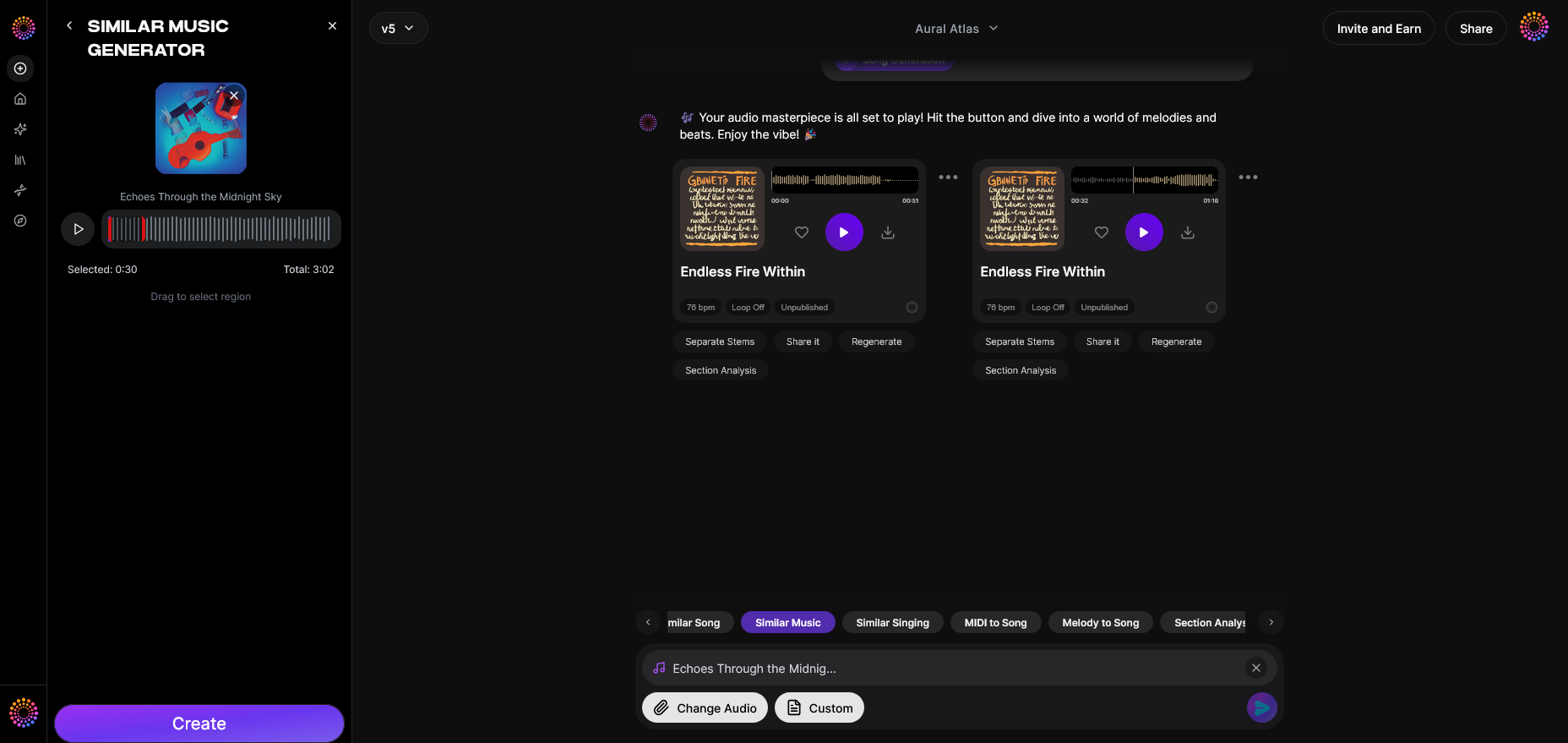
Now that you understand underscoring in film, here is how to create it instantly using Soundverse.
The Soundverse Similar Music Generator produces original instrumental compositions inspired by a reference track. It’s ideal for filmmakers seeking background music that matches a director-approved “temp score” vibe.
Using instrumental style transfer and detailed musical analysis (tempo, key, mood), it generates precise reference-based loops perfect for cinematic underscoring. Whether you need tension-driven low strings or calming ambient pads, the tool adapts to your creative requirements.
Core capabilities:
- Instrumental style transfer for reference-based accuracy.
- Detailed musical parameter analysis.
- Seamless loop creation for extended scene scoring.
Primary use cases:
- Replacing temporary film music with original, copyright-safe compositions.
- Crafting atmospheric background tracks for game environments.
- Producing podcast intro/outro music in a targeted emotional style.
If you aim for cinematic authenticity while maintaining production speed, the Similar Music Generator bridges the gap. Combined with Soundverse DNA, which ensures artist-trained authenticity and licensed catalog ethics, your scores remain original and monetizable.
Check related resources such as Soundverse Introduces Stem Separation AI Magic Tool and Navigating Royalty-Free and Copyright-Free Music, which support full creative workflow from sound design to publishing.
Create Captivating Film Scores with AI Transform your cinematic projects with AI-generated music that perfectly matches your scenes and emotions. Experience effortless composition with Soundverse’s intelligent music creation tools. Start Creating with Soundverse
Related Articles
- The Role of AI Music in Film and Television: Discover how AI is reshaping the way directors and composers collaborate to craft immersive soundtracks for film and TV.
- How AI-Generated Music Is Transforming the Music Industry: Learn how artificial intelligence is revolutionizing music production, creativity, and distribution across the entertainment world.
- Soundverse AI Revolutionizing Music Creation for New Age Content Creators: Find out how Soundverse empowers creators with fast, high-quality music generation tailored for modern digital storytelling.
- Enhancing YouTube Content with Royalty-Free and Copyright-Free Music Using Soundverse AI: Explore how creators use Soundverse AI to enhance video storytelling with professional, license-free soundtracks.
Here's how to make AI Music with Soundverse
Video Guide
Here’s another long walkthrough of how to use Soundverse AI.
Text Guide
- To know more about AI Magic Tools, check here.
- To know more about Soundverse Assistant, check here.
- To know more about Arrangement Studio, check here.
Soundverse is an AI Assistant that allows content creators and music makers to create original content in a flash using Generative AI. With the help of Soundverse Assistant and AI Magic Tools, our users get an unfair advantage over other creators to create audio and music content quickly, easily and cheaply. Soundverse Assistant is your ultimate music companion. You simply speak to the assistant to get your stuff done. The more you speak to it, the more it starts understanding you and your goals. AI Magic Tools help convert your creative dreams into tangible music and audio. Use AI Magic Tools such as text to music, stem separation, or lyrics generation to realise your content dreams faster. Soundverse is here to take music production to the next level. We're not just a digital audio workstation (DAW) competing with Ableton or Logic, we're building a completely new paradigm of easy and conversational content creation.
TikTok: https://www.tiktok.com/@soundverse.ai
Twitter: https://twitter.com/soundverse_ai
Instagram: https://www.instagram.com/soundverse.ai
LinkedIn: https://www.linkedin.com/company/soundverseai
Youtube: https://www.youtube.com/@SoundverseAI
Facebook: https://www.facebook.com/profile.php?id=100095674445607
Join Soundverse for Free and make Viral AI Music

We are constantly building more product experiences. Keep checking our Blog to stay updated about them!