What Is the Genre for Sad Music?
Discover the sad music genre and the emotional power behind melancholy songs and depressing music styles.
What Is the Genre for Sad Music?
Sad music has always held a unique place in human culture, bridging emotion, memory, and art. As we move through 2026, listeners increasingly seek songs and soundscapes that resonate with deep emotional authenticity. The question many music enthusiasts ask today is simple yet profound: what exactly is the genre for sad music? This exploration uncovers the diverse range of melancholy songs, emotional music styles, and how genres that evoke sadness continue to evolve.
What Defines the Sad Music Genre?
Sad music isn’t confined to one single genre—it’s an emotional state translated through sound. In essence, the sad music genre represents compositions that evoke feelings of sorrow, nostalgia, loss, or introspection. Rather than being strictly classified under a single musical category, these tracks often span multiple genres, each using different instrumentation, tempo, and tonal qualities to convey sadness.

Emotional Elements That Create Sadness in Music
Music theory and psychology both highlight certain patterns that trigger feelings of melancholy:
- Minor Keys and Dissonance: Minor scales are more closely associated with sorrow or reflective moods. Composers often use diminished chords or dissonant harmonies to introduce tension.
- Slow Tempo: Sad songs tend to move slower, letting listeners absorb each emotional nuance.
- Sparse Instrumentation: A minimal arrangement—soft piano notes, an acoustic guitar, or strings—often brings an intimate feeling.
- Lyrical Themes: Even in instrumental tracks, musical phrasing can mimic lyrical communication, suggesting loss, loneliness, or contemplation.
What Genres Commonly Evoke Sadness?

Different musical styles have been used to express sadness over centuries. Each of these genres highlights particular emotional textures. Here are the main ones known for evoking melancholy:
- Classical – Requiems, adagios, and elegies composed by figures like Chopin or Elgar convey timeless sadness. String and piano pieces dominate this mood.
- Blues – Originating from emotional storytelling, blues captures heartache, struggle, and resilience. Its 12-bar structure supports expressive guitar or vocal lines.
- Indie and Alternative – Known for emotional vulnerability, these genres often explore themes of personal loss and existential reflection.
- Ambient and Downtempo – Common in emotional music playlists, ambient tracks use ethereal pads and gentle rhythms to evoke introspection.
- Lo-fi – Lo-fi production aesthetics, with their imperfections and soft textures, create nostalgic and relaxing melancholy tones. According to The music subgenre sadcore finds a new life with a new generation, the modern revival of sadcore further illustrates this emotional dynamic.
- Folk – Rooted in storytelling, folk music connects sadness to human experiences—longing, love lost, or fleeting beauty.
- Post-Rock – Expansive instrumentals in post-rock create emotional climaxes that oscillate between despair and hope.
- Pop Ballads – In mainstream contexts, slow pop ballads represent universally recognized emotional music.
- Jazz – Through minor progressions and soulful instrumentation, jazz can reach delicate emotional depths.
- Film Soundtracks – Cinematic music written for tragic or reflective scenes uses orchestral sadness to heighten empathy and emotional engagement.
These sad song types highlight how sound structure and emotion intertwine across traditions.
Why Do People Enjoy Melancholy Songs?
The appeal of sad music comes from its emotional paradox: it comforts rather than depresses. Cognitive studies show that listeners find relief and connection through shared emotional experiences. Sad music provides a way to process emotions safely—a concept especially relevant in 2026, as mental wellness and authenticity dominate creative trends.
Sad and depressing music styles have also seen surging popularity across streaming platforms, inspired by slowcore, neoclassical, and cinematic scoring trends. As audiences seek emotionally immersive music, producers and composers now turn to advanced AI tools to generate soundscapes with perfect emotional balance. The study Analysis and Classification of Music-Induced States of Sadness explores how different musical triggers relate to human emotional states.
How Sad Music Has Evolved by 2026
The modern soundscape of emotional and melancholy songs differs vastly from previous decades. In 2024 and 2025, lo-fi and ambient genres dominated playlists emphasizing relaxation. By 2026, fusion genres have taken center stage. Artists blend post-rock structures with orchestral elements and cinematic textures. Even electronic producers now experiment with AI-generated emotional music that feels organic, introducing a more personalized listening experience.
Trends in music industry analysis indicate that sadness has become a form of sonic storytelling rather than mere sentiment. Composers now treat melancholy as a palette—mixing hope, self-discovery, and introspection. As The End of Genre: How Mood-Based Playlists Rule 2026 Music describes, mood-based playlists dominate listening habits and genres like “Sad Girl Autumn” symbolize the emotional evolution of sound.
What Are Depressing Music Styles in Modern Production?
While 'depressing' might seem a negative term, in music production it refers to creating an ambient emotional state that aids reflection. Styles associated with this aesthetic often include:
- Minimalist piano scores using reverb and delicate pacing.
- Dark ambient textures, often used in meditation or film.
- Downtempo electronica, blurring sadness with calm.
- Neo-folk and ethereal wave incorporating acoustic sadness.
These genres reveal that producing emotional resonance is not about darkness alone—it’s about crafting balance and immersion.
How to Make Sad Music with Soundverse AI Music Generator
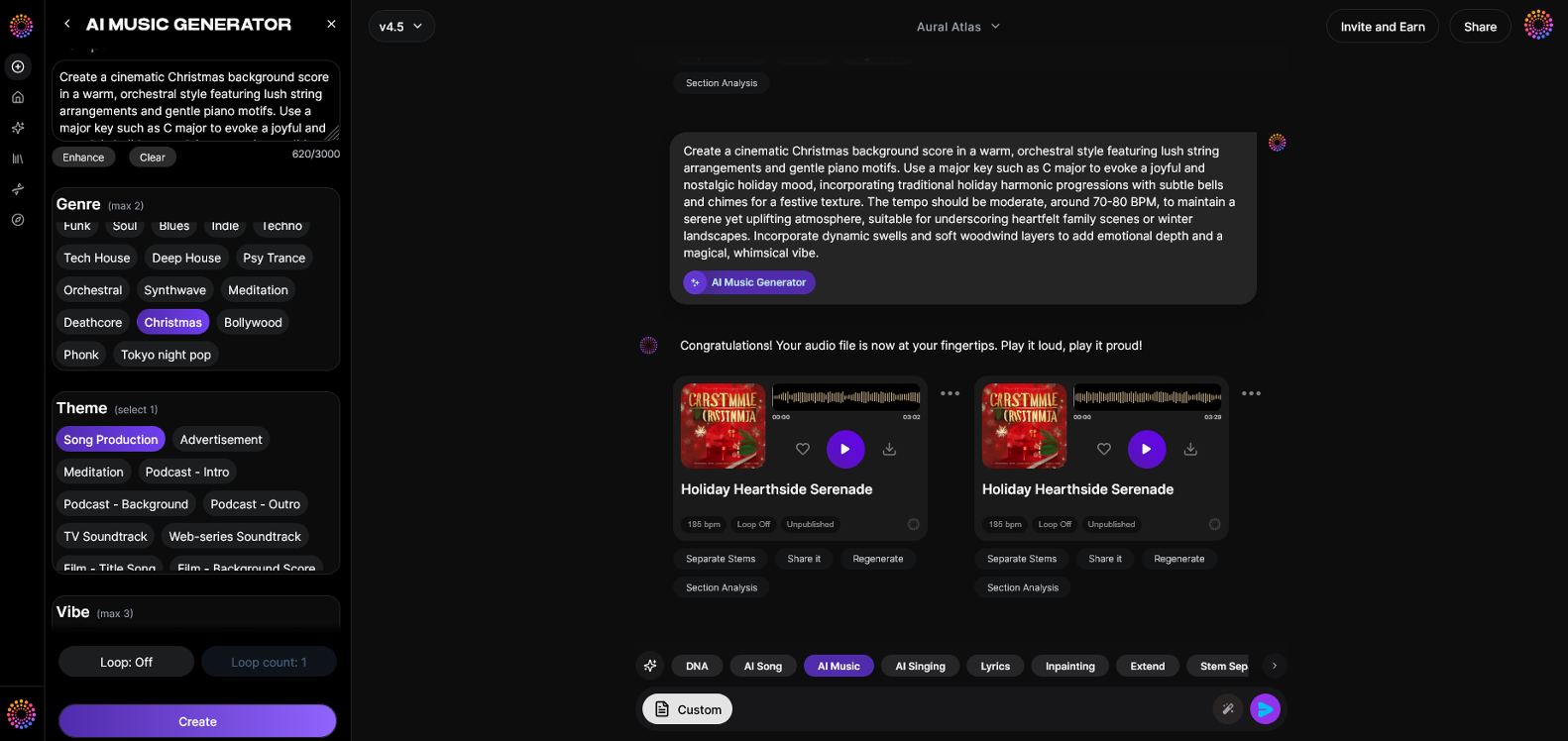
Now that you understand what defines the sad music genre and its emotional dynamics, here’s how Soundverse empowers creators to instantly produce sad instrumental tracks.
Soundverse’s AI Music Generator allows users to create fully produced instrumental compositions directly from text prompts. Whether you aim for cinematic melancholy or minimalist sadness, it translates descriptive language into authentic soundscapes. This tool doesn’t rely on vocals—it specializes in creating instrumental music that captures emotional depth. The insights shared in Ultimate Guide - Best AI Sad Song Generator 2026 highlight how AI generation tools, including Soundverse, are part of a broader ecosystem of emotional sound creation.
Key Features for Sad Music Creation
- Text-to-Music Generation: Type your emotional prompt, such as “melancholic piano with gentle synth pads,” and Soundverse generates a full instrumental track.
- Loop Mode: Create seamlessly looping sad background music suitable for emotional video scenes or game soundtracks.
- Genre and Mood Control: Select from a wide range of genres that evoke sadness, adjusting instruments, tone, and pacing.
- Model Options (V4 & V5): Choose between different AI models tailored for detailed mood accuracy.
Ideal Use Cases
Soundverse is perfect for producing:
- Background music for films or short videos depicting solitude.
- Game soundtracks that need emotional immersion.
- Meditation or wellness tracks with calming sadness.
- Commercials requiring tender emotional scoring.
Using the Soundverse AI Music Generator, composers can explore emotional depth without tedious manual mixing. It’s a transformative way to express sadness through music creation. For a deeper dive into Soundverse functionality, watch our tutorial on how to make music or see how to explore tools in the Explore Tab guide.
The Role of AI in Emotional Composition
Artificial intelligence in music now functions as a creative partner rather than replacement. Platforms like Soundverse represent the shift toward intuitive emotional composition tools. They empower musicians to instantly test texture combinations—from cello-based melancholy to digital ambient sorrow.
If you want to learn more about how AI integrates into film soundtracking, check out The Role of AI Music in Film and Television. For creators seeking additional ambient variations, explore How to Create Healing Meditation Music with Soundverse AI, and Soundverse AI Revolutionizing Music Creation for New Age Content Creators. For cultural context, The Biggest Music Trends in 2026 to Look Out For! discusses the rise of AI in emotional music.
Create Emotional AI Music Instantly with Soundverse
Generate moving, melancholic tracks that capture every emotion using our text-to-music AI. Turn words into fully realized sad music compositions in seconds and bring your creative vision to life.
Related Articles
- Most Popular Music Genres — Explore the world’s most loved music genres and discover how AI reshapes how we experience them.
- Generate AI Music with Soundverse Text-to-Music — Learn how to transform simple text prompts into beautifully composed songs with Soundverse’s AI engine.
- How to Create Healing Meditation Music with Soundverse AI — Find out how to use AI tools to compose soothing and emotional music for meditation and relaxation.
- The Role of AI Music in Film and Television — Discover how AI-generated music enhances emotional depth and storytelling in film and television soundtracks.
Here's how to make AI Music with Soundverse
Video Guide

Here’s another long walkthrough of how to use Soundverse AI.
Text Guide
- To know more about AI Magic Tools, check here.
- To know more about Soundverse Assistant, check here.
- To know more about Arrangement Studio, check here.
Soundverse is an AI Assistant that allows content creators and music makers to create original content in a flash using Generative AI.
With the help of Soundverse Assistant and AI Magic Tools, our users get an unfair advantage over other creators to create audio and music content quickly, easily and cheaply.
Soundverse Assistant is your ultimate music companion. You simply speak to the assistant to get your stuff done. The more you speak to it, the more it starts understanding you and your goals.
AI Magic Tools help convert your creative dreams into tangible music and audio. Use AI Magic Tools such as text to music, stem separation, or lyrics generation to realise your content dreams faster.
Soundverse is here to take music production to the next level. We're not just a digital audio workstation (DAW) competing with Ableton or Logic, we're building a completely new paradigm of easy and conversational content creation. TikTok: https://www.tiktok.com/@soundverse.ai Twitter: https://twitter.com/soundverse_ai Instagram: https://www.instagram.com/soundverse.ai LinkedIn: https://www.linkedin.com/company/soundverseai Youtube: https://www.youtube.com/@SoundverseAI Facebook: https://www.facebook.com/profile.php?id=100095674445607
Join Soundverse for Free and make Viral AI Music

We are constantly building more product experiences. Keep checking our Blog to stay updated about them!