What Is Stem Splitting? Understanding Plant Stem Cracking and How to Prevent It
Learn what stem splitting is, its causes, and how to prevent plant stem damage for healthy, stress-free growth.
What Is Stem Splitting?
What is stem splitting in plants?
Stem splitting refers to the physical cracking or splitting that occurs along a plant’s stem. It often appears as longitudinal breaks that may expose the inner tissue of the stem. These splits can lead to an increased risk of disease, water loss, and structural weakness. For gardeners and horticulturists in 2026, understanding stem splitting helps ensure healthier plant growth and better prevention strategies, especially in regions experiencing unpredictable weather conditions following recent climate shifts.
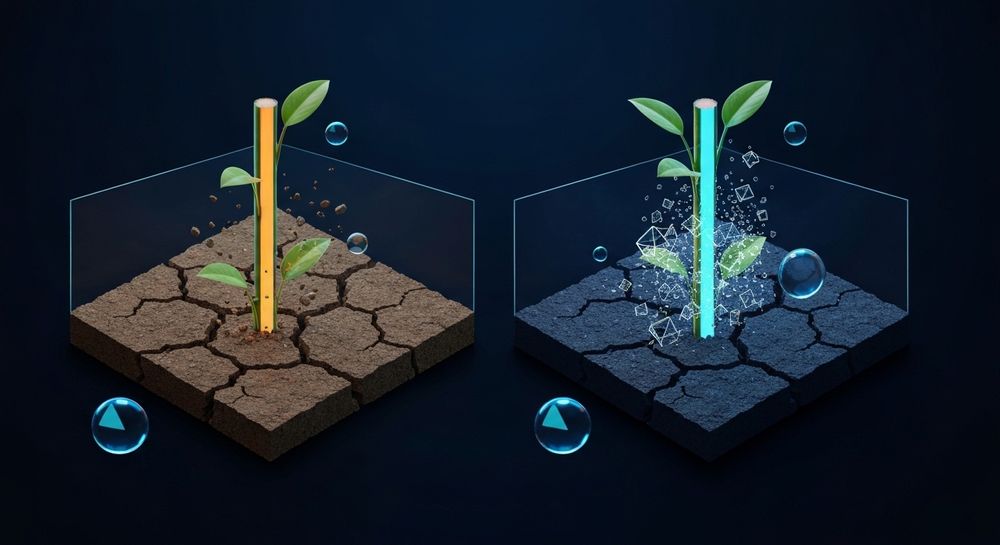
Stem splitting can occur in various plants — from tomatoes to cucurbits, even trees — and is typically a result of sudden growth spurts, internal pressure, or environmental stress. When tissues expand too quickly or unevenly, the outer skin cannot keep up, resulting in a crack.
What causes plant stem splitting?
The causes of stem cracking are often multifactorial. Environmental and physiological factors can both play major roles in how and when splitting occurs.
1. Rapid Water Uptake
After a dry spell, sudden watering or heavy rains can lead to the plant absorbing water too quickly. This rapid hydration triggers internal pressure within tissues, causing the stem’s surface to rupture. Tomato plants, in particular, are known for developing splits due to this cause.
2. Temperature Fluctuations
Extreme day-night temperature differences — now more common with global climate variations — can stress plant structures. Rapid nighttime cooling slows growth while daytime warmth accelerates cell expansion, resulting in uneven development that promotes cracking.
3. Nutrient Imbalances
High nitrogen levels encourage vigorous growth but can compromise cellular integrity. Overfed plants tend to grow quickly, putting pressure on outer tissue layers. An imbalance of calcium and potassium may also weaken the stem walls.
4. Genetic Factors
Certain plant varieties are more prone to splitting than others. Gardeners should select cultivars bred for sturdy stems and moderate growth patterns to minimize stem damage.
5. Mechanical Stress
Wind, heavy pruning, or improper staking can physically stress plants. Continuous bending or pressure on stems can create fissures over time.
6. Plant Stress and Disease
Infections, pests, or fungal growths further weaken plant tissue. Stem rot caused by pathogens like Phytophthora or infestations such as Dectes stem borer can significantly increase susceptibility to cracking. Stress undermines elasticity and water management, creating a situation where even minor pressure results in bursting or stem cracking.

What problems arise from stem splitting?
Stem splitting negatively impacts both plant health and productivity. The cracks expose internal tissues, leaving plants vulnerable to:
- Pathogens: Open wounds allow bacteria and fungi to invade.
- Water evaporation: Exposed areas lose moisture rapidly.
- Structural weakness: The stem may collapse under the weight of fruit or foliage.
- Reduced nutrient flow: Interrupted vascular tissue affects nutrient distribution.
Early recognition is key. In many cases, minor splits can heal naturally, but severe ones may require support or careful trimming.
How to prevent stem damage and cracking?
Preventing stem splitting requires managing water, nutrients, and environmental stress carefully. Here are practical garden care tips for 2026 gardeners aiming for resilient plant growth.
1. Maintain Consistent Watering
Avoid extremes. Use drip irrigation or self-regulating watering systems to sustain moisture levels. Mulching can regulate soil temperature and preserve consistent hydration.
2. Balance Nutrients Wisely
Use fertilizers with balanced nitrogen and calcium ratios. A slow-release formulation is ideal to prevent growth surges that strain stems.
3. Protect Plants from Harsh Conditions
Install windbreaks and shade covers to reduce temperature stress. This minimizes environmental fluctuations, a major cause of plant stress and stem problems.
4. Support Tall or Fruit-Bearing Plants
Staking or caging helps distribute physical load evenly along stems. Proper support prevents bending that could trigger micro-cracks.
5. Choose Resistant Varieties
Breed selection is key. If you have experienced repeated stem cracking, research plant types known for durable stem texture and elasticity, such as pistachio hull split prevention advances at UC Davis.
6. Optimize Pruning and Handling
Gentle pruning promotes airflow but avoid cutting too close to main stems. Always use sanitized tools to prevent infection entry through cracks.
7. Monitor Plant Stress Indicators
Check growth rate, leaf color, and texture frequently. These signs reveal stress build-up before visible splitting occurs.
What are modern gardening insights and trends for stem health in 2026?
In 2026, smart gardening systems and soil sensors have become common tools helping gardeners balance water and temperature levels automatically. AI-driven growth analysis, once used predominantly in agriculture, is now integrated into home gardens. These systems detect early signs of tension within stems, helping prevent cracking before it happens.
Integrating sustainable practice remains vital. Gardeners preparing for 2026 disease management are now focusing on organic mulches, slow-release composts, and eco-friendly water management as best practices across horticulture communities worldwide. With ongoing awareness about plant stress factors, gardeners pay more attention to both microclimate adjustments and biological diversity around growth zones.
For deeper insight into how advancements in technology have reshaped creative fields—including audio, visual, and environmental optimization—consider reading articles like Soundverse AI Revolutionizing Music Creation for New Age Content Creators, How AI-Generated Music Is Transforming the Music Industry, and Soundverse Introduces Stem Separation AI Magic Tool. You can also watch our Soundverse Tutorial Series - 9. How to Make Music for practical examples.
How to make stem splitting analysis with Soundverse Stem Separator

Now that you understand stem splitting, here is how to create it instantly using Soundverse.
Soundverse’s Stem Separator is an advanced AI tool that dissects mixed audio into up to six individual editable stems: Vocals, Drums, Bass, Guitar, Accompaniment, and more. This technology doesn’t deal with plant biology, but there’s a striking conceptual similarity — just as gardeners separate components to understand causes of stem cracking, musicians use Soundverse to isolate audio elements for precise editing.
The Stem Separator supports URL, File, and Recording inputs, allowing creators to upload any track and generate clean, high-quality isolated stems. This AI-powered separation is perfect for remixing, sampling, creating karaoke or backing tracks, educational mix analysis, and cleaning audio for production enhancement.
Why Soundverse Stem Separator matters
- Accurate isolation: Like identifying causes of plant stem damage, Soundverse isolates sound stems, improving clarity and control over creative projects.
- Versatility: Whether working on vocals or guitar riffs, users can analyze each stem individually, similar to assessing separate plant conditions.
- Cross-tool synergy: Pairing with Section Analysis and Inpainting within Soundverse enables deeper audio structural editing — developers can rebuild sections or regenerate missing parts while maintaining integrity of original music, much like fixing damaged plant parts without harming overall growth.
For more creative examples, explore our Soundverse Tutorial Series - 10. Make Deep House Music.
Soundverse continues leading innovation in music AI as seen in related articles like Now Generate Music with Filters Such as Genre, Theme, Instruments, or Even Vibe, Soundverse Assistant: Your AI Music Co-Producer, and Creating a Faceless Valentine’s Day Video Message with Free AI Tools.
Start Splitting Stems with AI Today
Unlock precise stem separation for your tracks using Soundverse’s AI Magic Tool. Simplify editing, remixing, and mastering with cutting-edge technology built for creators.
Try Soundverse Free
Related Articles:
- Soundverse Introduces Stem Separation AI Magic Tool — Discover how Soundverse’s stem separation feature changes music editing forever.
- What Are Song Stems and Why Do You Need Them — Learn the fundamentals of song stems and why they are essential for modern producers.
- Soundverse Assistant: Your AI Music Co‑Producer — Meet your virtual co‑producer that helps you compose, arrange, and separate tracks effortlessly.
- Best AI Music Generator: Top Picks and Review — Compare leading AI music generators and find the best for your production needs.
Here's how to make AI Music with Soundverse
Video Guide

Here’s another long walkthrough of how to use Soundverse AI.
Text Guide
- To know more about AI Magic Tools, check here.
- To know more about Soundverse Assistant, check here.
- To know more about Arrangement Studio, check here.
Soundverse is an AI Assistant that allows content creators and music makers to create original content in a flash using Generative AI. With the help of Soundverse Assistant and AI Magic Tools, our users get an unfair advantage over other creators to create audio and music content quickly, easily and cheaply. Soundverse Assistant is your ultimate music companion. You simply speak to the assistant to get your stuff done. The more you speak to it, the more it starts understanding you and your goals. AI Magic Tools help convert your creative dreams into tangible music and audio. Use AI Magic Tools such as text to music, stem separation, or lyrics generation to realise your content dreams faster. Soundverse is here to take music production to the next level. We're not just a digital audio workstation (DAW) competing with Ableton or Logic, we're building a completely new paradigm of easy and conversational content creation.
TikTok: https://www.tiktok.com/@soundverse.ai
Twitter: https://twitter.com/soundverse_ai
Instagram: https://www.instagram.com/soundverse.ai
LinkedIn: https://www.linkedin.com/company/soundverseai
Youtube: https://www.youtube.com/@SoundverseAI
Facebook: https://www.facebook.com/profile.php?id=100095674445607
Join Soundverse for Free and make Viral AI Music

We are constantly building more product experiences. Keep checking our Blog to stay updated about them!