What Is Sad Music Called? Exploring Sad Music Genres and Emotional Soundscapes
Learn what sad music is called, explore melancholic music genres, and discover how to create emotional soundscapes using AI tools in 2026.
What Is Sad Music Called?
In music, emotion is everything. Some melodies lift you up, while others bring tears to your eyes. But what is sad music actually called? In 2026, as the world sees a surge in emotional creativity, understanding how sadness is expressed through sound has become an essential topic for musicians, composers, and listeners alike.
What Is Sad Music Called?
Sad music is generally associated with melancholic music—a broad term referring to genres and compositions that evoke feelings of sorrow, introspection, loss, or deep emotional reflection. These kinds of songs and instrumental pieces are often written in minor keys, slower tempos, and feature rich harmonies that enhance the emotional weight of the sound.
In simple terms, sad music is called by different names depending on its style and culture: melancholic music, emotional songs, depressing music types, or simply sad songs. The nuances between these labels reveal how humans have used sound to express grief, nostalgia, or deep empathy across centuries.
What Are the Main Sad Music Genres?
Sad music genres come from nearly every branch of the musical tree. Here are some of the most recognized types:
- Classical Adagio Movements – In classical music, pieces marked “adagio” or “largo” often express sadness. Composers like Beethoven, Chopin, and Mahler crafted instrumental works that resonate with sorrow through slow tempos and minor tonalities.
- Blues – Originating from African-American folk traditions, blues music uses lamenting melodies and heartfelt lyrics about hardship, love, and loss. Even when uplifting, the blues retains a bittersweet undertone.
- Ambient & Downtempo – These modern genres emphasize atmosphere. Slow beats, reverb-heavy soundscapes, and minor chords make ambient music one of the most effective genres for evoking melancholy.
- Slow Indie or Alternative Rock – Bands in the indie scene often focus on emotional songwriting. Reverberated guitars and minimal percussion allow listeners to connect with introspective themes.
- Sad Pop Ballads – Pop music is no stranger to emotional expression. Sad pop songs typically blend accessible melodies with heartbreak or self-reflective lyrics.
- Post-Rock – Characterized by long instrumental builds and cinematic crescendos, post-rock can convey immense sorrow without words. Artists use delay effects and gradual volume shifts to capture emotional depth.
- Film Scores and Soundtracks – Composers use minor keys and orchestral instruments to underscore sadness in movie scenes. In 2026, many AI-generated film scores are crafted specifically to evoke emotional resonance.
- Lo-fi and Chillhop – These genres combine nostalgic samples and soft production to mimic introspection and emotional daydreams—a hallmark of 2020s digital-era melancholy.
Each of these sad music genres has its own emotional fingerprint, defined by tonality, tempo, and the listener’s personal association with memory or empathy.
Why Do People Listen to Sad Music?
Research in music psychology suggests that listening to sad music fulfills emotional needs. In 2026, after years of global emotional turbulence during 2024 and 2025, listeners have become more comfortable embracing vulnerable moods.
Sad music can help:
- Enhance emotional understanding – Allowing people to process feelings of grief or heartbreak.
- Promote creativity – Artists often find inspiration in sorrow.
- Provide catharsis – Crying or reflecting during emotional songs releases tension.
- Create connection – Shared experiences of loss or melancholy are deeply human.
The paradox of sad music is that many people find comfort, not despair, in its beauty.
What Makes Music Sound Sad?
Musicians achieve sadness through several compositional techniques:
- Minor Keys: Most sad pieces use minor scales for darker tonal quality.
- Slow Tempo: Fewer beats per minute amplify stillness and gravity.
- Sparse Arrangements: Minimal instrumentation can evoke isolation.
- Harmonic Dissonance: Slight tension between notes creates emotional unease.
- Use of Strings and Piano: These instruments convey organic melancholy better than others.
According to Middy, melancholic music evokes feelings of sadness and depression. In digital music creation, these elements can now be simulated perfectly through tools like AI music generators.
Emotional Songs Across Cultures
Throughout history, every culture has built its own version of sad music. For example:
- Japanese Enka expresses a sense of nostalgia and heartbreak.
- Portuguese Fado explores longing and the Portuguese concept of "saudade."
- Indian Ragas use specific melodic frameworks that symbolize loss and devotion.
- Irish Folk Ballads often recount tragic stories with haunting melodies.
By 2026, global streaming platforms have made these genres universally accessible, allowing audiences to explore emotional songs beyond linguistic barriers.
Modern Evolution of Depressing Music Types
The last decade saw technological innovation transforming how people compose and listen to melancholic tracks. AI and digital sound design now enable musicians to generate intricate emotional soundscapes without full orchestras. Platforms like Soundverse and other alternatives such as Mubert, Soundraw, and Splash Pro showcase how technology helps recreate heartbreak sonically.
For readers seeking deeper insight into digital composition, see Soundverse AI Revolutionizing Music Creation for New Age Content Creators or The Role of AI Music in Film and Television. You can also explore Music Industry Trends in 2026 to understand how emotion-based music continues to dominate playlists.
For a deeper dive into AI composition tutorials, watch our Soundverse Tutorial Series - How to Make Music.
How to Make Sad Music with Soundverse AI Music Generator
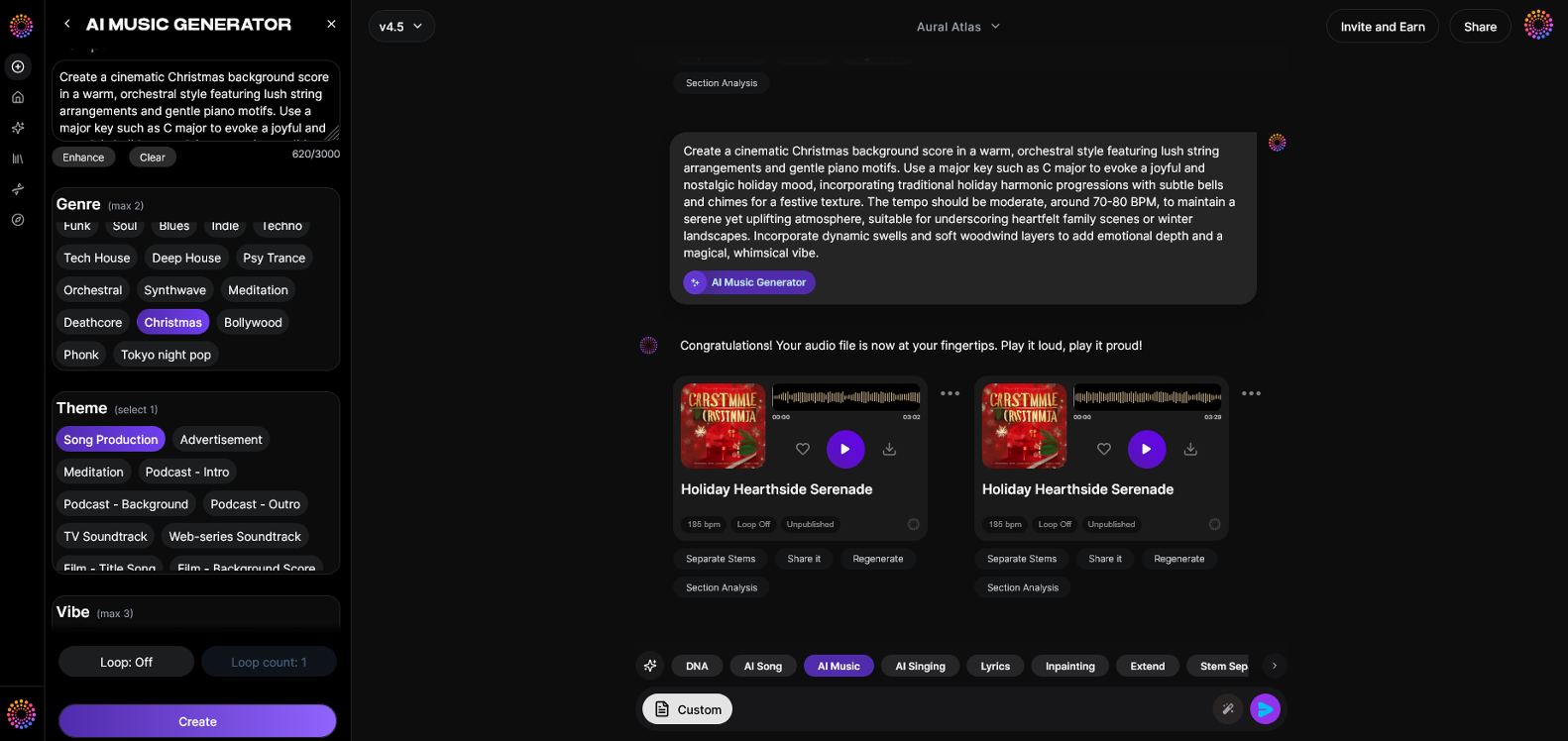
Now that you understand what sad music is called and the emotional impact of melancholic genres, here's how you can create these soundscapes instantly using Soundverse AI Music Generator.
Soundverse allows creators to generate fully produced instrumental music from text prompts. This means you can describe the mood—say “a slow piano track that feels lonely on a rainy night”—and the AI will transform that description into a finished piece.
Core Capabilities:
- Text-to-music: Enter descriptive text such as "melancholic string piece" or "gentle emotional piano loop."
- Loop Mode: Allows seamless repetition, ideal for game backgrounds or meditation.
- Genre and Mood Control: Adjust settings to achieve the emotional depth you want.
- V4 and V5 Models: Enable high-fidelity generation quality suited for professional use.
Primary Use Cases for Sad Music Creation:
- Video background scoring (for emotional scenes)
- Game soundtracks needing introspective atmospheres
- Meditation tracks to evoke peaceful sadness
- Commercials that rely on emotional storytelling
Because Soundverse outputs instrumental pieces, you can easily craft melancholic music suitable for platforms like YouTube or Spotify without copyright concerns. Learn more in Generate AI Music with Soundverse Text-to-Music or Enhancing YouTube Content with Royalty-Free Music Using AI.
The Future of Melancholic Music in 2026
As music enthusiasts and students of theory continue exploring the psychology of emotion, 2026 stands out as the year where AI-driven composition tools have democratized creativity. What once required years of formal training can now be achieved by writing a few poetic lines. Sad music genres are no longer limited to pianists and violinists—they’re accessible to anyone with imagination.
Whether it’s heartbreaking instrumental pieces, nostalgic ambient loops, or cinematic emotional songs, AI models like Soundverse help creators capture sadness in sound—and celebrate the beauty of emotional vulnerability.
To start creating your own emotional tracks today, visit Soundverse.ai and experience the fusion of human feeling with artificial intelligence in sound design.
Create Emotionally Powerful Music with Soundverse AI
Turn feelings into soundscapes that connect deeply with listeners. Generate soulful tunes across genres—from ambient melancholy to cinematic sadness—with our AI-powered music creator.
Related Articles
- How to Create Healing Meditation Music with Soundverse AI — Discover how to compose calming and emotional tracks that capture serene moods using Soundverse's intuitive AI tools.
- Generate AI Music with Soundverse Text-to-Music — Learn how Soundverse’s text-to-music generator turns words into melodies that express sadness, joy, or any emotion you choose.
- The Role of AI Music in Film and Television — Explore how AI-generated music shapes emotional storytelling in cinematic scenes and dramatic TV moments.
- Most Popular Music Genres — Dive into the world of music styles and understand where sad music fits among today's most loved genres.
Here's how to make AI Music with Soundverse
Video Guide

Here’s another long walkthrough of how to use Soundverse AI.
Text Guide
- To know more about AI Magic Tools, check here.
- To know more about Soundverse Assistant, check here.
- To know more about Arrangement Studio, check here.
Soundverse is an AI Assistant that allows content creators and music makers to create original content in a flash using Generative AI. With the help of Soundverse Assistant and AI Magic Tools, our users get an unfair advantage over other creators to create audio and music content quickly, easily and cheaply. Soundverse Assistant is your ultimate music companion. You simply speak to the assistant to get your stuff done. The more you speak to it, the more it starts understanding you and your goals. AI Magic Tools help convert your creative dreams into tangible music and audio. Use AI Magic Tools such as text to music, stem separation, or lyrics generation to realise your content dreams faster. Soundverse is here to take music production to the next level. We're not just a digital audio workstation (DAW) competing with Ableton or Logic, we're building a completely new paradigm of easy and conversational content creation.
TikTok: https://www.tiktok.com/@soundverse.ai
Twitter: https://twitter.com/soundverse_ai
Instagram: https://www.instagram.com/soundverse.ai
LinkedIn: https://www.linkedin.com/company/soundverseai
Youtube: https://www.youtube.com/@SoundverseAI
Facebook: https://www.facebook.com/profile.php?id=100095674445607
Join Soundverse for Free and make Viral AI Music

We are constantly building more product experiences. Keep checking our Blog to stay updated about them!