What Is Melancholic Music? Understanding the Emotion Behind Sad and Moody Melodies
Explore melancholic music and its emotional depth in 2026 – how sad melodies evoke reflection and nostalgia.
What Is Melancholic Music?
Melancholic music has always held a unique place in the emotional spectrum of sound. In 2026, as music continues to evolve through fusion genres and AI-driven compositions, the charm of melancholic music — its introspection, sadness, and depth — remains timeless. But what exactly is melancholic music, and why do listeners across eras continue to find comfort in melodies that evoke sadness?
What is melancholic music?
Melancholic music refers to compositions designed to evoke feelings of sadness, nostalgia, and emotional reflection. Often characterized by slow tempos, minor keys, and subtle harmonies, it captures the essence of human vulnerability. This style connects listeners to deep-seated emotions — from heartbreak and loss to the bittersweet beauty of memory. Studies acknowledge that the musical features associated with sadness include slower tempos, lower pitch ranges, and darker tonalities.

Unlike purely sad music that can feel heavy or sorrowful, melancholic music is layered. It blends sadness with serenity, a delicate balance that lets the listener experience emotional catharsis. In modern contexts, melancholic music goes beyond classical compositions and acoustic ballads; it includes ambient electronic tracks, lo-fi beats, and cinematic soundscapes that capture mood rather than explicit emotion.
What makes melancholic music different from sad music?
Sad music is often direct — it conveys sorrow through lyrics and melody. Melancholic music is more introspective; it paints emotional complexity without needing explicit sorrow. A piece can sound peaceful and beautiful while still evoking melancholy.

Musically, melancholic compositions:
- Use minor scales or modal tonalities that imply tension or longing.
- Favor gentle instrumentation such as piano, strings, or soft synth pads.
- Employ slower rhythmic structures, often between 60–90 BPM.
- Emphasize space and silence, allowing emotional buildup.
- Integrate moody melodies that linger, resonating with personal memory.
In psychological terms, melancholic music offers a paradox — listeners often find comfort in sadness. This phenomenon has been studied extensively in music therapy and emotional research. When we hear music that evokes sadness, we feel understood. It validates our emotions, helping us process them safely — often described as a thoughtful way to visit sadness under the supervision of beauty.
How has melancholic music evolved until 2026?
Between 2024 and 2026, melancholic music has expanded across digital and AI platforms. Artists use artificial intelligence, texture blending, and synesthetic sound design to create chillingly emotional soundscapes. Lo-fi, ambient, and neo-classical genres — fueled by streaming platforms and mood playlists — have thrived.
On social platforms like Instagram Reels and TikTok, short melancholic instrumental pieces now accompany introspective content — minimalistic photography, poetry, or cinematic snippets. This trend demonstrates the enduring relevance of melancholy in music culture.
AI-generated compositions have also contributed to this evolution. Platforms such as Soundverse, as well as others like Mubert and Soundraw, enable creators to produce sad, reflective music effortlessly. Yet Soundverse’s advanced control over genre, tone, and looping makes it stand out, especially when crafting emotional soundtracks for film and video. For a deeper dive on creative AI use, watch our tutorial on how to make music with Soundverse.
Why do people listen to melancholic music?
Melancholic music appeals to emotion-driven listeners. Here’s why it continues to resonate:
- Emotional release – Listeners often feel they can process loss or disappointment through music.
- Nostalgia and memory – Melancholic harmonies evoke vivid memories from the past.
- Artistic inspiration – Many composers turn to melancholy in music when exploring vulnerability.
- Relaxation and focus – Moody melodies create calm environments for reflection or study.
- Cinematic appeal – Film directors rely on melancholic soundtracks to convey depth.
Music that evokes sadness has been integral to storytelling. According to Middy’s Support Center, it’s common across the drama category in film and television. In digital media, melancholic soundscapes often accompany meditative or aesthetic content that aims to stir emotion subtly.
What musical genres are known for melancholy?
Several genres integrate melancholy:
- Neo-classical piano – Minimalist compositions with deep emotional undertones.
- Ambient electronic – Expansive textures and slow evolution of sound.
- Indie folk – Acoustic storytelling through introspective lyrics and harmonies.
- Lo-fi and chillhop – Nostalgic tones paired with warmth and relaxation.
- Post-rock and cinematic soundscapes – Gradual builds that convey introspective melancholy.
In 2026, artists exploring emotional authenticity often merge classical arrangements with digital engineering to achieve new levels of depth. To understand how technology integrates with emotional genres, explore how AI-generated music is transforming the music industry.
How does melancholy influence modern composition in 2026?
The fusion of emotional dynamics with advanced production tools defines modern melancholic music. Producers now experiment with algorithmic pattern generation and emotion-mapping via AI. This allows compositions to capture subtle human feelings without overproduction.
Sound designers using tools like Soundverse Arrangement Studio can fine-tune instruments and moods, achieving a balance between sorrow and sophistication.
Musicians no longer view melancholic tones as negative. Instead, melancholy has become synonymous with artistic depth. Music trends highlight how emotional resonance improves listener retention, proving that introspective compositions thrive even in commercially saturated markets. You can read more about this transformation in Music Industry Trends.
How composers craft music that evokes sadness
Creating melancholic music is a subtle art. Here are common methods:
- Tonal Choice: Minor keys express pain or absence; modal changes imply emotional ambiguity.
- Instrumentation: Sparse arrangements—soft piano chords, slow string sections, ambient pads.
- Tempo: Slow pacing conveys reflection rather than dramatic intensity.
- Dynamics: Gradual crescendos and fading echoes establish emotion.
- Harmony: Dissonance interwoven with resolution symbolizes hope amid sadness.
Composers often pair melancholy with visual or narrative context, making it essential in film scoring or game design. Learn how AI aids cinematic tracks through The Role of AI Music in Film and Television.
How to make melancholic music with Soundverse AI Music Generator
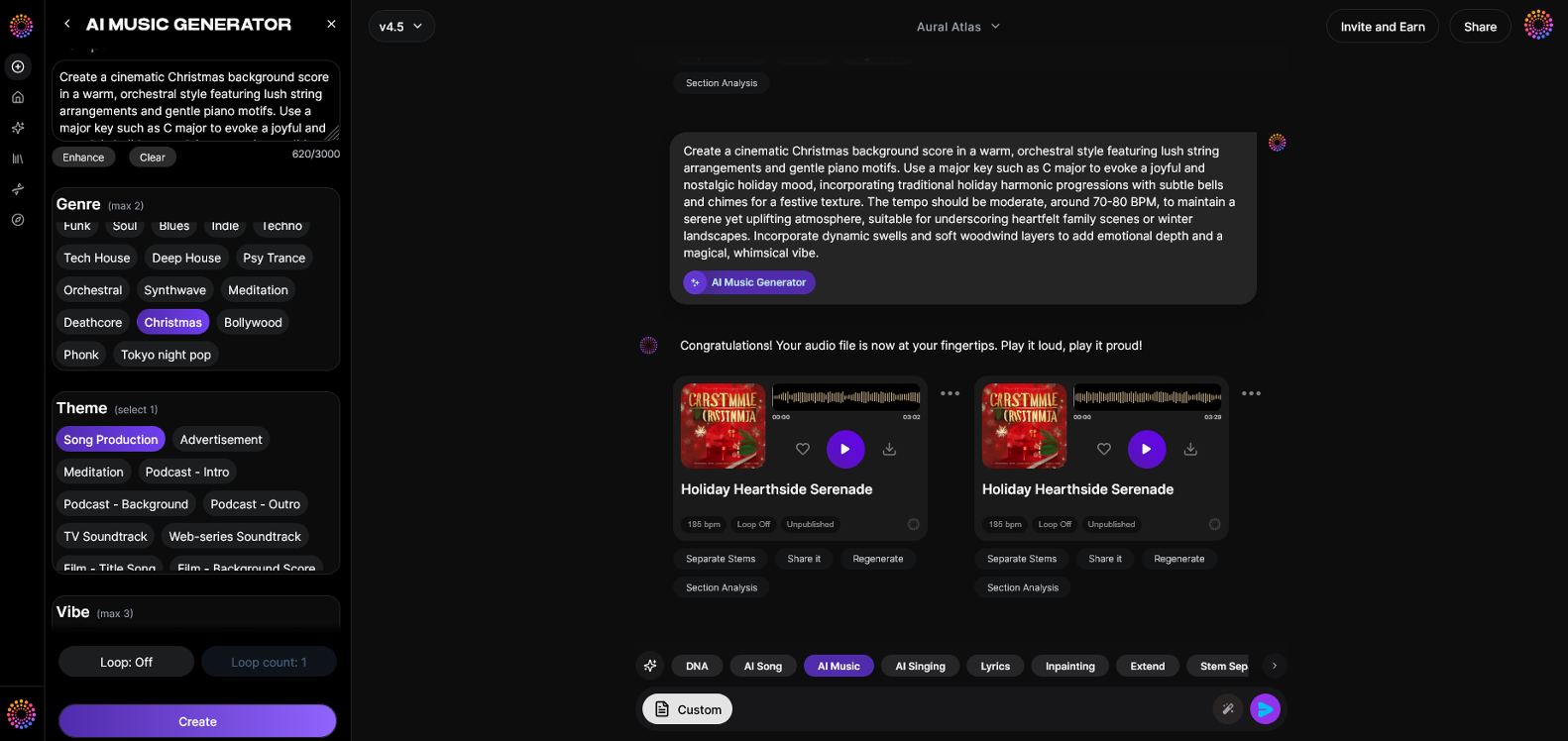
Now that you understand melancholic music, here is how to create it instantly using Soundverse.
Soundverse’s AI Music Generator allows creators to produce fully composed instrumental tracks from simple text prompts — perfect for emotional, moody, or sad atmospheres. This includes cinematic piano pieces, ambient backgrounds, or subtle acoustic loops.
Key capabilities:
- Text-to-music: Describe the desired emotional tone, such as “melancholic ambient piano with rain atmosphere.”
- Loop Mode: Generate seamless looping soundscapes for video or meditation.
- Detailed controls: Adjust genre, mood, and instruments like cello, piano, or ambient pads.
- Multiple models (V4 & V5): Choose your generation setting for refined production depth.
Ideal use cases include:
- Background music for videos or films requiring emotional undertones
- Game soundtracks that convey sadness or introspection
- Meditation or calm-themed content
- Advertising and brand scoring focused on emotional connection
By selecting the appropriate mood and instruments, you can generate music that evokes sadness yet feels aesthetically comforting. If you’re inspired, explore more creative applications such as creating healing meditation music or generating music with filters by genre and vibe.
Create Your Own Melancholic Music with AI
Transform emotions into captivating soundscapes using Soundverse’s intelligent music generator. Whether you’re composing for film, content, or relaxation, Soundverse helps you craft the perfect melancholic mood effortlessly.
Related Articles
- How to Create Healing Meditation Music with Soundverse AI — Discover how Soundverse AI can help you produce soothing and reflective tracks for meditation and emotional balance.
- How to Create Jazz Music with Soundverse AI — Learn how to generate expressive, moody jazz pieces that blend AI creativity with timeless musical emotion.
- The Role of AI Music in Film and Television — Explore how AI-generated music shapes emotional storytelling in cinematic and televised experiences.
- How to Create Music Evoking the Desert — Uncover how to design atmospheric music inspired by desolate, melancholic landscapes using AI tools.
Here's how to make AI Music with Soundverse
Video Guide

Here’s another long walkthrough of how to use Soundverse AI.
Text Guide
- To know more about AI Magic Tools, check here.
- To know more about Soundverse Assistant, check here.
- To know more about Arrangement Studio, check here.
Soundverse is an AI Assistant that allows content creators and music makers to create original content in a flash using Generative AI.
With the help of Soundverse Assistant and AI Magic Tools, our users get an unfair advantage over other creators to create audio and music content quickly, easily and cheaply.
Soundverse Assistant is your ultimate music companion. You simply speak to the assistant to get your stuff done. The more you speak to it, the more it starts understanding you and your goals.
AI Magic Tools help convert your creative dreams into tangible music and audio. Use AI Magic Tools such as text to music, stem separation, or lyrics generation to realise your content dreams faster.
Soundverse is here to take music production to the next level. We're not just a digital audio workstation (DAW) competing with Ableton or Logic, we're building a completely new paradigm of easy and conversational content creation.
TikTok: https://www.tiktok.com/@soundverse.ai
Twitter: https://twitter.com/soundverse_ai
Instagram: https://www.instagram.com/soundverse.ai
LinkedIn: https://www.linkedin.com/company/soundverseai
Youtube: https://www.youtube.com/@SoundverseAI
Facebook: https://www.facebook.com/profile.php?id=100095674445607
Join Soundverse for Free and make Viral AI Music

We are constantly building more product experiences. Keep checking our Blog to stay updated about them!