What Is Beat Music? Exploring the 1960s British Beat Movement and Its Legacy
Discover the story behind Beat Music — the iconic 1960s British movement that shaped rock and pop rhythms worldwide.
What Is Beat Music?
Beat music, often simply called 'beat', stands as one of the most defining genres of the 1960s. For music enthusiasts and historians, it represents an era when youthful energy, creative experimentation, and cultural revolution fused to reshape the soundscape of modern music. In 2026, as artificial intelligence continues to propel new forms of musical creation, looking back at beat music’s origins offers valuable insights into how rhythm-driven genres have continually evolved.
What is Beat Music?
Beat music originated in the United Kingdom during the late 1950s and early 1960s. It was a fusion of rock and roll and rhythm and blues, often performed by small groups with guitars, drums, and strong vocal harmonies. The driving characteristics were upbeat tempos, catchy rhythms, and a focus on simplicity and accessibility — qualities that stood in contrast to the more complex jazz and orchestral styles popular before its rise.
Beat music reflected working-class youth culture in postwar Britain. It was raw, energetic, and deeply emotional — music designed not for elite concert halls but for clubs, dance floors, and local pubs. Its direct, rhythm-centered approach made it easy for live audiences to connect.
How Did the British Beat Movement Begin?
The British beat movement began in the port city of Liverpool with bands such as The Beatles, Gerry and the Pacemakers, and The Searchers. Their hometown’s cosmopolitan influences, fueled by American rock imports arriving through the docks, helped shape a distinctive sound that became known internationally as the "Merseybeat." Manchester, Birmingham, and London quickly developed their own scenes as well, giving rise to the wider beat movement.
By 1963, this wave of British beat groups had become a global phenomenon. The Beatles led the so-called 'British Invasion' of the American music market, followed by The Rolling Stones, The Dave Clark Five, and The Kinks. Each brought their own interpretation — from pop-friendly harmonies to grittier, blues-inspired guitar riffs.
What Was the Characteristic 1960s Music Style of Beat Bands?
Beat bands in the 1960s often relied on guitar-driven arrangements and clear vocal harmonies. Electric guitars, bass, and drums formed the foundation, while songwriting emphasized memorable choruses and rhythmic drive. This approach emphasized emotional expression through simplicity — a reaction against more ornamental styles.
The typical beat sound combined rock and pop rhythms, short verse-chorus structures, and infectious melodies. Songs were usually under three minutes, ensuring radio appeal. This economy of form made beat music ideal for mass consumption and radio play, influencing how pop songs were crafted for decades to come. For a creative parallel, watch our guide on how to make music on the Soundverse YouTube channel to see how rhythm and melody interact in modern AI compositions.
What Is the Historical Influence of Beat Music?
Beat music’s history marked a turning point in Western entertainment. It didn’t just change musical techniques — it redefined youth identity and international pop culture. The British beat movement showed the world that authentic creativity could emerge from small-town bands rather than large labels or professional composers.
Its influence extended beyond sound. Beat fans adopted distinctive fashions: mod suits, mop-top haircuts, and Chelsea boots. The cultural style surrounding beat music reflected new social freedoms after the austerity of the 1950s. It encouraged rebellion, self-expression, and artistic independence — values that remain foundational in creative movements today.
By the end of the 1960s, beat music had evolved into other genres: psychedelic rock, folk-rock, and progressive pop. Yet its DNA persisted. The energy of beat rhythms continued to inform punk, new wave, Britpop, and even modern indie rock.
Why Does Beat Music Remain Relevant in 2026?
In 2026, beat music remains a touchstone for artists exploring retro aesthetics. Modern musicians often integrate 1960s music styles with contemporary production — combining analog textures and digital sound design. AI-driven creation tools such as Soundverse have made it easier for creators to reproduce the nostalgic essence of beat rhythms while infusing fresh innovation.
Beat music’s ideals — accessibility, rhythmic clarity, and communal emotion — resonate with today’s creators who seek authenticity amid digital saturation. Whether used in advertising, film soundtracks, or indie compositions, the timeless appeal of beat-inspired arrangements continues to influence modern soundscapes.
How to Make Beat Music with Soundverse AI Music Generator
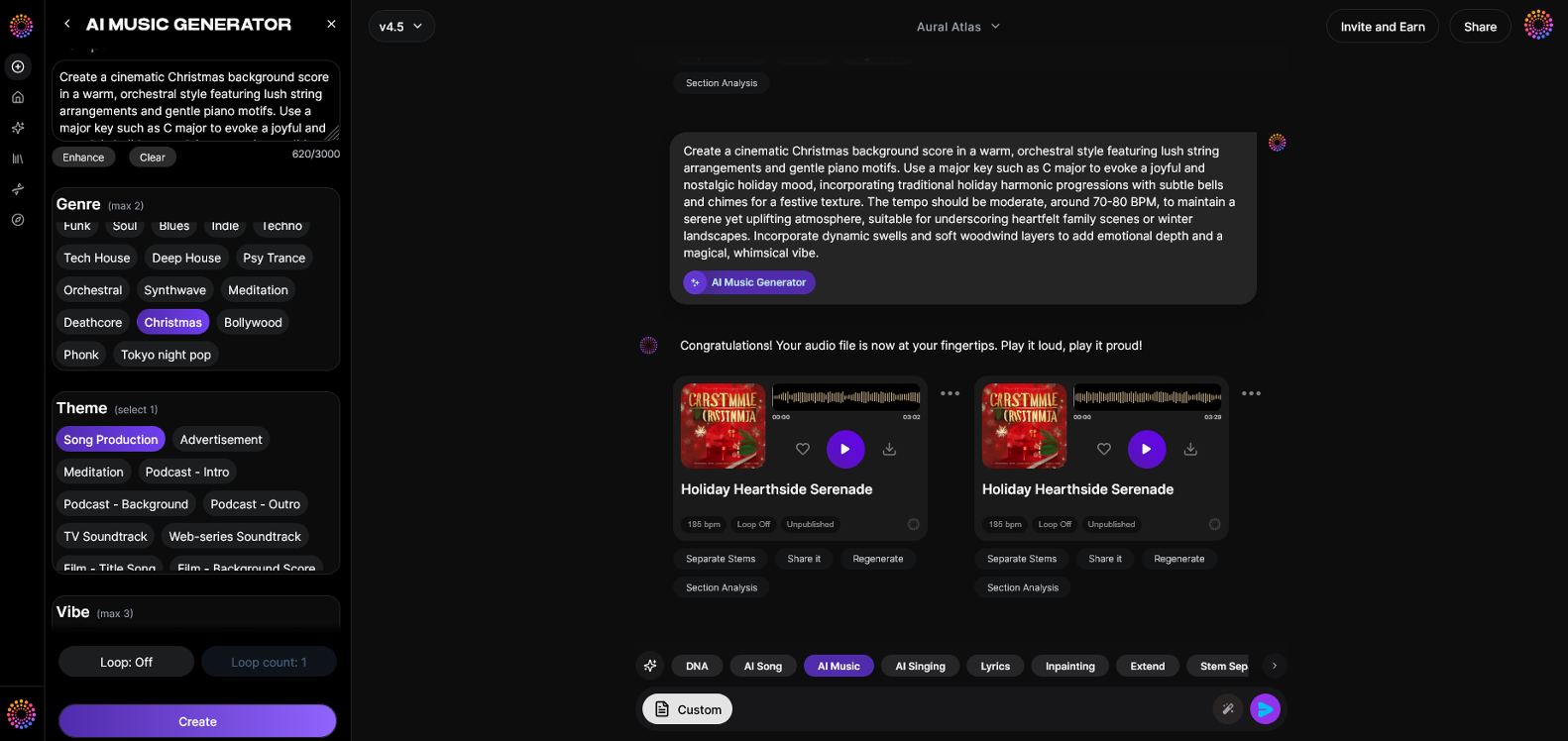
If you’re inspired by the rhythmic charm of the 1960s British beat movement and wish to craft similar instrumentals using modern technology, the Soundverse AI Music Generator is an ideal creative companion.
The AI Music Generator from Soundverse enables users to create fully produced instrumental tracks from text prompts. It specializes in generating beat-driven music and rhythmic soundscapes, making it perfect for projects that capture the upbeat spirit of the British beat era.
Core Capabilities
- Text-to-Music Generation: Describe the desired genre or mood — such as '1960s British beat pop' or 'upbeat Merseybeat rhythm' — and the AI composes matching instrumentals.
- Loop Mode: Seamlessly repeat musical sections for use in videos or games.
- Genre, Mood, and Instrument Control: Customize details like drum patterns, guitar types, and tempo.
- V4 and V5 Model Options: Choose between different sound generation models for balancing texture and fidelity.
Primary Use Cases
Beat-style tracks made with Soundverse are ideal for background music in documentaries about 1960s culture, advertising with retro vibes, or learning materials in music history courses. Creators can also apply looping modes for immersive playlists and interactive projects.
Soundverse’s flexible system bridges past and present. Students studying the history of beat music can analyze rhythm structures using generated examples. Professionals revisiting vintage pop aesthetics can develop modern remixes inspired by British beat bands.
To learn more about innovative uses of AI-driven composition, explore related articles such as How AI-generated music is transforming the music industry, Generate AI music with Soundverse text-to-music, or Now generate music with filters such as genre, theme, instruments or even vibe. For techniques in modern rhythm design, watch our Explore Tab tutorial on the Soundverse YouTube channel.
How Beat Bands Influenced Modern Rock and Pop Rhythms
Many elements of beat music continue to define rock and pop today. From the crisp rhythmic guitar strums of indie rock to the melodic balance of pop harmonization, the building blocks of contemporary songwriting owe much to the structure and approach of beat bands.
Producers in 2026 often reference beat textures when designing rhythmic patterns in AI projects or live studio tracks. The way beat music employed rhythmic syncopation, handclaps, and layered vocals still inspires chart-topping arrangements.
Beyond sound, the attitude behind beat music — collaboration, youth-driven authenticity, and stylistic innovation — remains embedded in the digital era. Much like the bootstrapped energy of Liverpool’s early bands, today’s independent creators rely on tools like Soundverse to craft professional-quality compositions without studio constraints.
Create Your Own Beats with AI Today
Discover how easy it is to generate authentic beat music using Soundverse’s AI-powered tools. Elevate your creative process and compose tracks that match your unique rhythm and style.
Related Articles
- How to Create Rap Music with AI: Learn step-by-step how to craft rap beats and lyrics using Soundverse’s intelligent music generation tools.
- Most Popular Music Genres: Explore the world’s most loved music genres and understand how beat-driven styles have shaped modern sound.
- Generate AI Music with Soundverse Text-to-Music: Discover how you can turn simple text prompts into fully produced tracks with Soundverse’s AI music generator.
- The Benefits of Composing with AI Music Generator: Uncover how AI tools help creators produce high-quality beats faster and boost musical creativity.
Here's how to make AI Music with Soundverse
Video Guide
Here’s another long walkthrough of how to use Soundverse AI.
Text Guide
- To know more about AI Magic Tools, check here.
- To know more about Soundverse Assistant, check here.
- To know more about Arrangement Studio, check here.
Soundverse is an AI Assistant that allows content creators and music makers to create original content in a flash using Generative AI. With the help of Soundverse Assistant and AI Magic Tools, our users get an unfair advantage over other creators to create audio and music content quickly, easily and cheaply. Soundverse Assistant is your ultimate music companion. You simply speak to the assistant to get your stuff done. The more you speak to it, the more it starts understanding you and your goals. AI Magic Tools help convert your creative dreams into tangible music and audio. Use AI Magic Tools such as text to music, stem separation, or lyrics generation to realise your content dreams faster. Soundverse is here to take music production to the next level. We're not just a digital audio workstation (DAW) competing with Ableton or Logic, we're building a completely new paradigm of easy and conversational content creation.
TikTok: https://www.tiktok.com/@soundverse.ai
Twitter: https://twitter.com/soundverse_ai
Instagram: https://www.instagram.com/soundverse.ai
LinkedIn: https://www.linkedin.com/company/soundverseai
Youtube: https://www.youtube.com/@SoundverseAI
Facebook: https://www.facebook.com/profile.php?id=100095674445607
Join Soundverse for Free and make Viral AI Music

We are constantly building more product experiences. Keep checking our Blog to stay updated about them!