What Is a Sad Music Genre Called?
Discover the most emotional and melancholic music genres in 2026.
What Is a Sad Music Genre Called?
Sad music genres are those that evoke emotion, introspection, and melancholy, often through minor chord progressions, slow tempos, and lyrical themes about loss and longing. In 2026, these genres continue to thrive as listeners seek emotional authenticity in music and as songwriters experiment with AI-assisted composition tools to create deeply emotional soundscapes.
What are sad music genres?
Sad music genres capture feelings of melancholy and emotional depth. Historically, these styles emerged as artistic expressions of sorrow, heartbreak, or contemplation. The term “sad music” doesn’t just mean gloomy—it can also convey beauty, serenity, and emotional healing. The main sad music genres include:

- Melancholic Music: This genre is defined by its soft instrumentals and slow rhythm. Artists in this category use piano, cello, and acoustic guitar to build emotional resonance. It’s popular among fans seeking calm, reflective experiences.
- Emo Music: Emo evolved from punk rock with confessional lyrics and raw emotion. It is one of the most recognizable sad music styles due to loud expressions of pain and sensitivity. Modern emo now blends with pop and indie influences.
- Depressing Songs: While not a genre by itself, many artists compose songs intended to evoke sadness or grief. These can belong to rock, pop, or classical categories but share a lyrical tone of despair.
- Blues: One of the earliest forms of sad music, blues incorporates soulful instrumentals and expressive vocals. It originated from themes of hardship and remains timeless.
- Slow Indie and Alternative: Indie musicians often write songs with stripped-down arrangements and emotional vulnerability, creating a nostalgic atmosphere.
- Ambient and Chill Sad Tracks: Often instrumental, these genres use minimalism and layered soundscapes to represent internal emotional states.
- Classical Adagio and Lament Styles: Slow symphonic movements—particularly adagios—are core to classical sad compositions.
In 2026, as global music streaming platforms highlight emotional playlists, these sad song styles remain essential to modern listening habits.
Why do people enjoy melancholic music?
Listeners embrace melancholic music for emotional validation. Neuroscientists have studied how minor chords and slower tempos can trigger comfort and empathy rather than sheer sadness. This phenomenon explains the enduring appeal of emotional music genres across cultures.
Sad songs also offer catharsis—allowing people to process feelings safely. Songwriters use this genre to create authentic connections with audiences, while listeners find it therapeutic.
How did emo music influence modern sad song styles?
Emo music, once seen as rebellious youth culture in the early 2000s, has transformed by 2026 into an artistic substyle influencing pop, hip-hop, and rock production. Its focus on lyrical storytelling and emotional rawness now informs how AI and human musicians craft heart-touching soundtracks. Trends studied in music industry reports show that the integration of emo-style emotionality into other genres continues to rise, especially in collaborative AI composition. For a deeper dive, watch our guide on creating Deep House music and how to make music in our tutorials on the Soundverse YouTube channel.
What makes depressing songs effective?
Depressing songs combine narrative depth, minor key composition, and expressive instrumentation. Their effectiveness depends on:
- Lyrical honesty: Real emotions create stronger listener bonds.
- Minimalist production: Simple arrangements help the emotion shine.
- Dynamics: A balance between softness and dramatic peaks enhances immersion.
AI-assisted platforms now analyze frequency patterns that evoke sadness to help composers fine-tune such songs. This synergy between emotion and technology advances the future of music production.
Are sad music genres popular in 2026?
Yes. Data from recent streaming platform insights show that playlists for melancholy and comfort music have grown significantly since 2024. The rise of meditation and introspective content creation has boosted demand for slow, emotional soundtracks. Producers use systems like the Soundverse AI Music Generator to craft ambient and melancholic instrumentals seamlessly.
Trends also reveal cross-genre experiments—artists now merge ambient textures with lo-fi beats or classical strings to yield modern sad tones. Articles such as How an AI Music Generator Inspires Creative Fusion discuss how hybrid emotion-focused tracks are shaping music cultures.
How emotional music genres impact mental health
Sad music genres have therapeutic qualities. Studies in recent years show that listening to melancholic music can help people reduce anxiety and feel emotionally recognized. This effect supports music therapy disciplines and creative reflection.
For songwriters, composing emotional music helps process internal conflicts artistically. Tools like Soundverse Arrangement Studio also allow users to structure emotional melodies intuitively, leading to meaningful compositions.
How to make sad music with Soundverse AI Music Generator
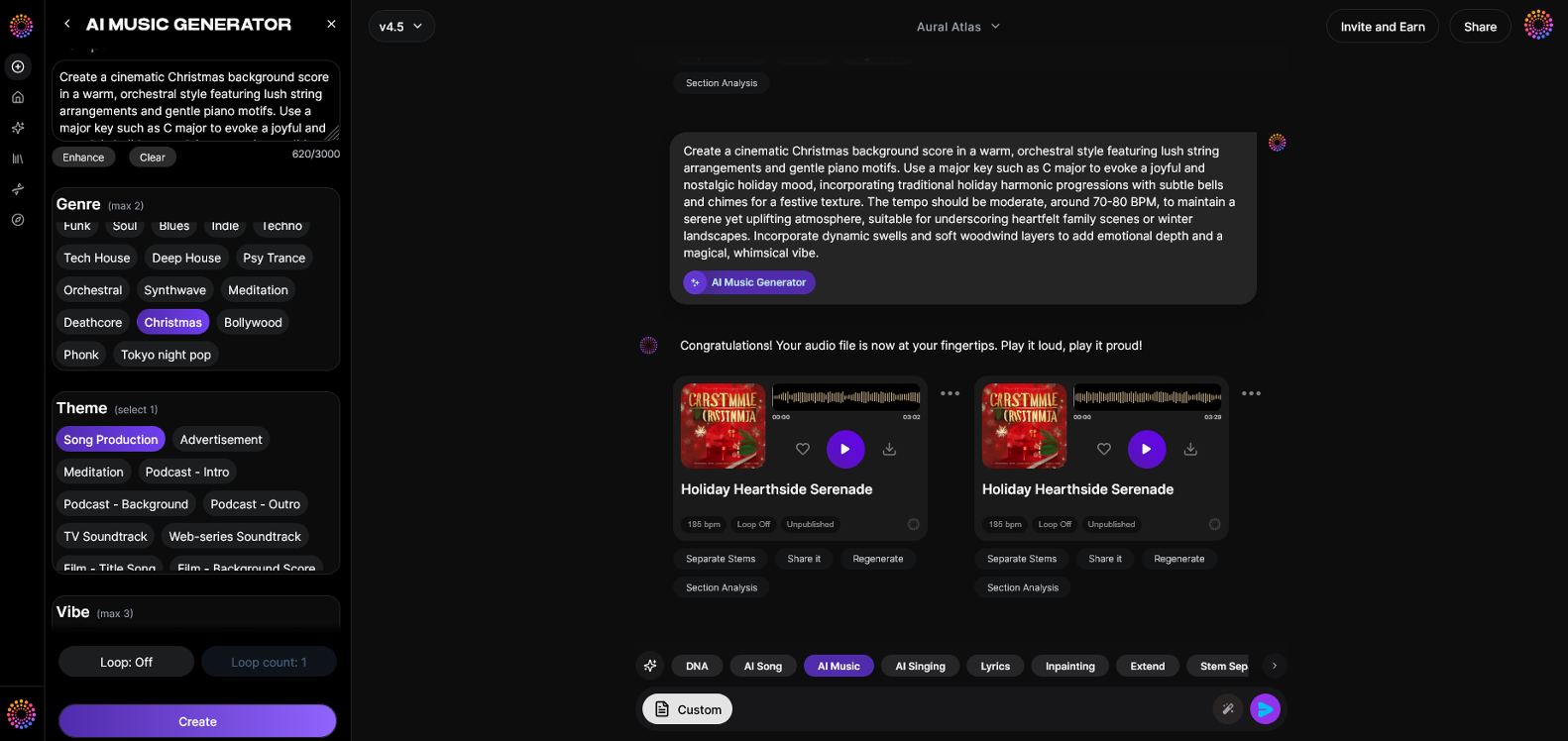
Now that you understand sad music genres, here is how to create them instantly using Soundverse.
Soundverse’s AI Music Generator enables users to create fully produced instrumental music from simple text prompts. It specializes in background tracks, beats, and soundscapes that evoke emotion without vocals. The system supports seamless looping through its Loop Mode, precise control of genre, mood, and instruments, and offers V4 and V5 models to ensure quality.
Create emotional instrumentals easily
By entering short text prompts describing tone—like “a slow piano track with gentle strings and distant ambience”—users can generate melancholy soundscapes within minutes. Soundverse’s text-to-music engine interprets mood cues and crafts arrangements suitable for videos, games, or meditation spaces.
Because the generator focuses on instrumental output, it’s perfect for producing background compositions that convey sadness or introspection. This expandability into commercial scoring or wellness projects demonstrates how technology merges artistry and accessibility.
Advanced use cases
- Video Background Music: Add depth to cinematic scenes.
- Game Soundtracks: Build emotional immersion through looping sad tracks.
- Meditation and Wellness Tracks: Inspire emotional release and calm.
- Advertising: Use emotional instrumentals to increase relatability.
Why artists choose Soundverse
Musicians and producers favor Soundverse because it delivers consistent, high-quality sound aligned with mood specificity. Since it operates asynchronously, users upload descriptions, let the AI process, and receive results without manual mixing. This simplifies emotional composition.
Explore more about Soundverse’s potential in How AI-Generated Music Is Transforming the Music Industry and see how creators worldwide embrace its innovation.
Create Emotionally Powerful Music with Soundverse AI
Bring your artistic vision to life by generating soulful tracks that capture any mood, from melancholic ballads to cinematic sadness. Experience the future of AI music creation today.
Related Articles
- How to Create Healing Meditation Music with Soundverse AI: Discover how to use Soundverse AI to craft soothing, emotion-rich meditation music that promotes relaxation and peace.
- How to Create Jazz Music with Soundverse AI: Learn the techniques for generating expressive jazz compositions and turning emotional nuance into musical art with AI.
- Generate AI Music with Soundverse Text-to-Music: Explore how easy it is to create emotional and genre-specific tracks by simply describing the vibe you want in text.
- The Role of AI Music in Film and Television: Learn how AI-generated music adds emotional depth to film and TV scenes, enhancing storytelling through sound.
Here's how to make AI Music with Soundverse
Video Guide

Here’s another long walkthrough of how to use Soundverse AI.
Text Guide
- To know more about AI Magic Tools, check here.
- To know more about Soundverse Assistant, check here.
- To know more about Arrangement Studio, check here.
Soundverse is an AI Assistant that allows content creators and music makers to create original content in a flash using Generative AI.
With the help of Soundverse Assistant and AI Magic Tools, our users get an unfair advantage over other creators to create audio and music content quickly, easily and cheaply.
Soundverse Assistant is your ultimate music companion. You simply speak to the assistant to get your stuff done. The more you speak to it, the more it starts understanding you and your goals.
AI Magic Tools help convert your creative dreams into tangible music and audio. Use AI Magic Tools such as text to music, stem separation, or lyrics generation to realise your content dreams faster.
Soundverse is here to take music production to the next level. We're not just a digital audio workstation (DAW) competing with Ableton or Logic, we're building a completely new paradigm of easy and conversational content creation.
TikTok: https://www.tiktok.com/@soundverse.ai
Twitter: https://twitter.com/soundverse_ai
Instagram: https://www.instagram.com/soundverse.ai
LinkedIn: https://www.linkedin.com/company/soundverseai
Youtube: https://www.youtube.com/@SoundverseAI
Facebook: https://www.facebook.com/profile.php?id=100095674445607
Join Soundverse for Free and make Viral AI Music

We are constantly building more product experiences. Keep checking our Blog to stay updated about them!