What Genre of Music Is the Saddest?
Discover the sad music genres that evoke deep emotions and learn how to create melancholic soundscapes with Soundverse.
What Genre of Music Is the Saddest?
Music has always been one of humanity’s most powerful emotional outlets, capable of expressing joy, nostalgia, loss, and heartbreak with remarkable detail. In 2026, as emotional music continues to dominate streaming platforms and creative projects, listeners and creators alike are re-examining which genre of music feels the saddest—and why. Across cultures and decades, certain styles stand out for their ability to evoke sorrow, grief, and introspection. This article explores the sad music genres that resonate deeply with listeners, the psychology behind emotional responses, and how creators can replicate these melancholic moods using modern AI tools like the Soundverse AI Music Generator.
What genre of music is considered the saddest?
When asking what genre of music is the saddest, the answer is not as simple as picking one type of music. Sadness in music is shaped by cultural expectations, instrumentation, harmony, tempo, and personal interpretation. Yet, some genres traditionally evoke melancholy more effectively than others.
1. Classical (Adagio and Minor Key Compositions)
Classical music has produced some of the most emotionally charged works in history. Pieces written in minor keys with adagio tempos tend to elicit strong feelings of sadness or longing. The slow, deliberate pacing allows listeners to reflect deeply, often connecting the rhythm with their own experiences of loss or solitude. Film composers and game designers in 2026 continue to tap into classical influences for emotional scoring.
2. Blues
The Blues genre was born from suffering and perseverance, expressing sadness through vocal inflection and guitar phrasing. Originating from African American communities, its lyrical themes often revolve around heartbreak, poverty, and pain. Reflective solos and slow tempos make it an enduring symbol of resilience through emotional depth. According to Top 10 Most Depressing Music Genres - TheTopTens.com, styles like blues and soul remain timeless expressions of melancholy.
3. Ambient and Downtempo
Ambient and downtempo electronic music emphasize atmosphere and tone over melody. Artists use slow-moving pads, soft reverb, and ethereal textures to create spaces where listeners can process emotion. In 2026, this genre has become increasingly popular for meditation, film scoring, and introspective content creation. It’s one of the most versatile styles of emotional music, balancing between relaxing and haunting.
4. Folk and Acoustic
Folk music captures the bittersweet essence of storytelling, often focusing on loss, nostalgia, and life’s impermanence. The raw instrumental arrangement—typically guitar or traditional strings—gives listeners intimate access to the singer’s emotions. Modern folk in 2026 integrates subtle electronic elements while preserving the genre’s sentimental honesty.
5. Post-Rock
Post-rock stands out among depressing music styles due to its reliance on slow crescendos, repetition, and instrumental layers. Even without lyrics, bands convey sorrow through contrast and ambient soundscapes. The genre has seen renewed interest thanks to its cinematic quality—producers use it in trailers and documentaries to invoke contemplative emotion.
6. Gothic and Darkwave
Gothic music, and its offshoot Darkwave, are rooted in moody basslines, haunting vocals, and introspective lyrics. They combine the eerie aesthetics of post-punk with electronic sensibilities. Despite being associated with darkness, fans describe it as deeply sentimental music, helping them process complex emotions constructively.
7. Slow Jazz and Soul Ballads
Jazz and soul convey sadness through expressive melody and intricate harmonies. A slow saxophone solo or soulful vocal phrasing can evoke heartbreak better than any spoken word. Soul ballads remain a favorite among listeners who crave a blend of warmth and vulnerability.
8. Lo-Fi and Chill-Hop
Emerging during the 2020s, Lo-Fi became synonymous with quiet self-reflection, often used for studying, journaling, or relaxation. Its soft textures and nostalgic sampling mirror feelings of melancholy. Playlists like Mood Songs Sad Songs Playlist 2026 popularized lo-fi as emotional background sound for daily routines. By 2026, creators employ AI tools to produce loops that evoke wistful emotions for video and social media content.
9. Slow Pop and Ballad Genres
From power ballads to minimalist acoustic pop, slow pop thrives on emotional storytelling. Melancholic chord progressions and introspective lyrics turn personal stories into shared experiences. This crossover appeal has kept it among the world’s top streamed genres of melancholic songs, highlighted across curated playlists like Sad Songs 2026 Playlist - Spotify.
10. Film and Game Scores
Soundtracks designed to manipulate mood play a crucial role in emotional storytelling. Whether conveying grief through trembling strings or uncertainty with ambient drones, score composers specialize in composing deeply emotional music that enhances visual narratives.
Why do certain genres sound sad?
Musical sadness doesn’t emerge from lyrics alone. It is a multidimensional experience influenced by several elements:
- Tonality: Minor keys are traditionally associated with sadness. They sound tense or unresolved, producing emotional discomfort.
- Tempo: Slow tempos encourage introspection, while fast rhythms inspire energy or joy.
- Instrumentation: String instruments, piano, and soft synthesizers often evoke sorrow effectively.
- Harmony and Dissonance: Slight tension in chords can simulate emotional struggle.
- Cultural Conditioning: Some styles are linked to mourning rituals or nostalgia and have learned emotional associations.
Psychologists and musicologists have studied how music and mood interconnect. Listening to sad songs can trigger empathy, help release pent-up feelings, or even assist recovery from emotional distress. As Esquire notes, Gen Z listeners in particular embrace emotional music as a way to understand themselves. Since 2026’s wellness movement increasingly integrates music therapy, these findings are relevant for students and creators exploring audio’s therapeutic applications.
What are the emotional benefits of listening to sad music?
Contrary to popular belief, sad music doesn’t always make people feel worse. Research reveals that melancholic songs can enhance emotional clarity and provide catharsis. When we listen to sad music genres, our brains release prolactin—a hormone linked to comfort—which helps soothe emotional pain. Furthermore:
- It encourages emotional awareness.
- It fosters connection by evoking shared human experiences.
- It can be creatively inspiring, prompting artists to explore vulnerability through sound.
For creators in 2026, being able to capture this emotional spectrum authentically is more accessible than ever, thanks to AI-driven composition platforms.
How to make sad music genres with Soundverse AI Music Generator
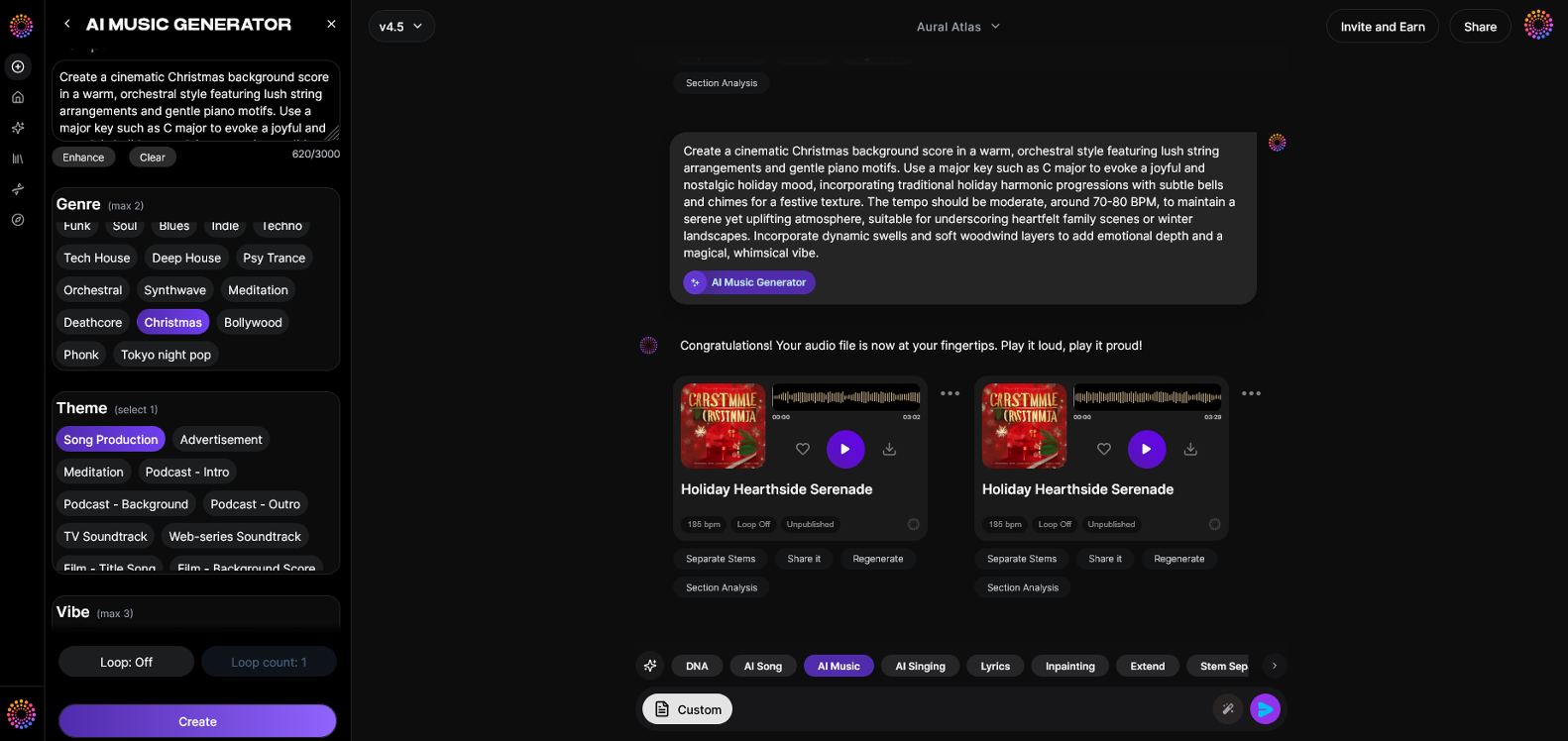
Now that you understand what defines a sad genre and how emotion is conveyed in sound, here’s how you can create those immersive melancholic instrumentals instantly using Soundverse AI Music Generator.
The AI Music Generator lets creators produce fully arranged instrumental tracks from a simple text prompt. It specializes in generating background music, beats, and soundscapes without vocals—perfect for anyone wanting to design moody, sentimental instrumentals for videos or games.
Key Capabilities
- Text-to-Music Creation: Describe the mood, tempo, genre, and instrument tones (e.g., “a slow, emotional piano ballad with ambient strings”).
- Loop Mode: Allows seamless repetition for continuous playback—ideal for meditative or narrative-style content.
- Genre, Mood, and Instrument Control: Fine-tune sadness intensity by adjusting tonal character and timbre.
- V4 and V5 Model Options: Each model provides nuanced output for evolving creative needs.
Primary Use Cases
- Video background scores depicting emotional or reflective themes.
- Game soundtracks that convey loss or solitude.
- Meditation and wellness music designed for slow healing experiences.
- Advertising sound design emphasizing sentiment or nostalgia.
For advanced creators, combining Soundverse tools creates even more dynamic emotions. For instance, pair the AI Music Generator with the Similar Music Generator to craft compositions inspired by pre-approved sentimental tracks, or use the AI Song Generator to blend vocals and harmony for complete, melancholic songs.
For inspiration, check related guides like How to create country music with Soundverse AI, generate AI music with Soundverse text-to-music, or how AI-generated music is transforming the music industry. For a deeper dive, watch our Soundverse Tutorial Series - 9. How to Make Music and explore the “Explore” Tab walkthrough for discovering genre presets.
If you want to explore atmospheric sadness, also check how to create music evoking the desert for texture-based emotional audio insights.
Generate Emotionally Powerful Music with AI
Use Soundverse to create music that captures the emotion behind every genre — from melancholy ballads to haunting cinematic scores. Turn inspiration into sound in seconds with AI-powered creativity.
Related Articles
- How to Create Healing Meditation Music with Soundverse AI: Learn how to design soothing, soul-calming melodies with the power of AI-generated music tools.
- How to Create Jazz Music with Soundverse AI: Discover how AI can help you compose rich, emotional jazz pieces that resonate with deep feeling and nuance.
- Generate AI Music with Soundverse Text-to-Music: Turn written emotion and mood prompts into immersive soundtracks instantly using Soundverse’s text-to-music generator.
- Most Popular Music Genres: Explore the leading genres shaping how we listen — from upbeat pop to the world’s most somber musical styles.
Here's how to make AI Music with Soundverse
Video Guide

Here’s another long walkthrough of how to use Soundverse AI.
Text Guide
- To know more about AI Magic Tools, check here.
- To know more about Soundverse Assistant, check here.
- To know more about Arrangement Studio, check here.
Soundverse is an AI Assistant that allows content creators and music makers to create original content in a flash using Generative AI. With the help of Soundverse Assistant and AI Magic Tools, our users get an unfair advantage over other creators to create audio and music content quickly, easily and cheaply. Soundverse Assistant is your ultimate music companion. You simply speak to the assistant to get your stuff done. The more you speak to it, the more it starts understanding you and your goals. AI Magic Tools help convert your creative dreams into tangible music and audio. Use AI Magic Tools such as text to music, stem separation, or lyrics generation to realise your content dreams faster. Soundverse is here to take music production to the next level. We're not just a digital audio workstation (DAW) competing with Ableton or Logic, we're building a completely new paradigm of easy and conversational content creation.
TikTok: https://www.tiktok.com/@soundverse.ai
Twitter: https://twitter.com/soundverse_ai
Instagram: https://www.instagram.com/soundverse.ai
LinkedIn: https://www.linkedin.com/company/soundverseai
Youtube: https://www.youtube.com/@SoundverseAI
Facebook: https://www.facebook.com/profile.php?id=100095674445607
Join Soundverse for Free and make Viral AI Music

We are constantly building more product experiences. Keep checking our Blog to stay updated about them!