What Genre of Music Is Considered Sad Music?
Explore the sad music genre, melancholic styles, and emotional sounds that evoke deep feelings.
What Genre of Music Is Considered Sad Music?
Sad music is one of the most emotionally resonant categories in the modern musical landscape. It transcends cultural boundaries, touching listeners through melodies, harmonies, and lyrics designed to evoke sorrow, nostalgia, or introspection. In 2026, with streaming platforms and AI-driven musical tools reshaping listener habits, identifying the distinct genres that make up sad music has become more relevant than ever. This article explores what defines a sad music genre, the emotional intent behind melancholic music, and how artists—and AI solutions like Soundverse—create these evocative soundscapes.
What Genre of Music Is Considered Sad Music?
Sad music isn’t confined to one genre; it’s a broad emotional category found across multiple musical styles. It’s more about how the music feels rather than what genre it formally belongs to. Typically, sad or melancholic music features slower tempos, minor keys, and gentle progressions, creating an immersive emotional experience.

The most common sad music genres in 2026 include:
- Classical Adagio and Requiem Pieces – Historically tied to formal expressions of mourning or farewell, classical compositions such as adagio movements or funeral marches are quintessential examples of musical sadness. The orchestral arrangements, often led by strings and woodwinds, evoke both grandeur and sorrow.
- Ambient and Downtempo Electronica – In recent years, ambient music has evolved into a favored sad music genre for introspective playlists. The slow tempo, reverb-heavy textures, and sparse instrumentation often give listeners a feeling of drifting through melancholy. Producers use this style in film soundtracks and therapy music.
- Indie and Alternative Rock – Since the early 2000s, indie artists have been known for their emotionally raw lyrics and minimalistic sound. By 2026, post-indie movements and lo-fi aesthetics have cemented their place as symbols of emotional authenticity. Guitars soaked in delay and vocals recorded with vulnerability capture the essence of heartbreak and isolation.
- Acoustic and Folk Ballads – Folk music often relies on storytelling, and within this framework, many acoustic ballads narrate loss, memory, and longing. Fingerpicked guitars, soft harmonies, and lyrical reflection make this a core representation of emotional songs.
- Slow Jazz and Blues – Both genres have historical roots in expressing pain and perseverance. Blues scales and expressive improvisations turn emotional struggle into sound therapy. Slow jazz adds grace to emotional depth through minor chords and relaxed phrasing.
- Modern Neo-Soul and R&B – These genres merge soulful vocal delivery with melancholic melodies. Modern R&B artists in 2026 utilize subtle electronic production and harmonic layering to evoke deep emotional resonance.
- Film Score and Cinematic Soundtracks – One of the strongest drivers of emotional response is music crafted for storytelling. Directors and composers use sad orchestral or piano-based scores to manipulate atmosphere and induce empathy in viewers. These compositions often reflect the archetype of music that makes you cry.
In essence, the sad music genre spans from Baroque compositions to electronic soundscapes, unified not by rhythm or instrumentation but by emotional intent.
What Makes a Song Sound Sad?
A combination of musical structure and psychological triggers defines sad music. Listeners perceive sadness through specific cognitive and acoustic cues:
- Minor Keys and Modal Scales: Music written in minor scales often evokes tension and unease that audiences interpret as melancholy.
- Slow Tempo: Slow tempo music allows emotional tension to unfold gradually. Tempos ranging between 60–80 BPM are common in depressing music styles.
- Sparse Instrumentation: Fewer instruments or spacious arrangements enhance emotional clarity.
- Reverb and Delay Effects: These sound effects create distance and echo, reinforcing a sense of loneliness.
- Expressive Dynamics: Gradual volume changes and soft crescendos mimic human emotional expression.
Neurological research from 2025 indicated that listening to melancholic music triggers the same brain regions associated with emotional empathy. Thus, sad music doesn’t always make listeners depressed—it can actually be cathartic.
Why Do People Listen to Melancholic Music?
In 2026, listening to melancholic music has become a cultural norm for emotional regulation. People engage with sad music to:
- Reflect on personal experiences
- Release built-up emotional tension
- Connect with lyrical storytelling
- Enhance creativity and focus
Streaming data from 2026 reveals that playlists titled “Emotional Healing,” “Rainy Day Moods,” and “Slow Nights” have millions of followers, showing that sad music serves a psychological purpose. It enables listeners to process complicated feelings aesthetically.
Which Musical Elements Define Depressing Music Styles?
Depressing music styles are structured around sonic and emotional minimalism. Common traits include:
- Progressive minor chord sequences
- Soft timbre instruments (piano, cello, acoustic guitar)
- Low rhythmic density (simple percussive elements)
- Long melodic phrases inducing reflective pacing
Interestingly, AI-generated compositions now analyze these patterns to produce consistent emotional tones. As platforms like Soundverse evolve, composers are using algorithmic analysis to craft emotional songs with intention rather than coincidence.
Emotional Songs Across Different Genres
In 2026, emotional songs aren’t just confined to traditional categories of sad music. Pop, electronic, and even hip-hop artists infuse melancholy through lyrical and harmonic layering. For instance, some producers fuse clinical sound design with emotive tonality, creating new hybrid genres blending ambient melancholy and trap beats.
For creators and researchers exploring emotional musical landscapes, understanding this genre fusion is essential. The convergence of traditional instrumentation and modern digital platforms, including AI-powered tools, has created unprecedented freedom to design slow tempo music that resonates globally.
How Technology Shapes Sad Music in 2026
New AI platforms are revolutionizing the music creation process. Instead of manually composing melancholic tracks, musicians use text-to-music generators to define emotional context—prompting the system to output music that feels sorrowful or nostalgic.
Modern artificial intelligence can now:
- Analyze lyrical sentiment and match harmonies accordingly.
- Adjust tempo and chord progression to mirror emotional tone.
- Generate instrumental textures like cello or soft piano for sad music genres.
For example, combining technology with creativity allows users to produce music that makes you cry intentionally crafted to fit personal or professional projects. This new frontier in generative audio brings accessibility and creative precision.
You can read related discussions in Music Industry Trends, explore advanced generation systems in Generate AI Music with Soundverse Text-to-Music, and understand cross-tool integration from Soundverse Introduces Stem Separation AI Magic Tool. For more inspiration, check out our Soundverse Tutorial Series - 9. How to Make Music.
How to Make Sad Music with Soundverse AI Music Generator
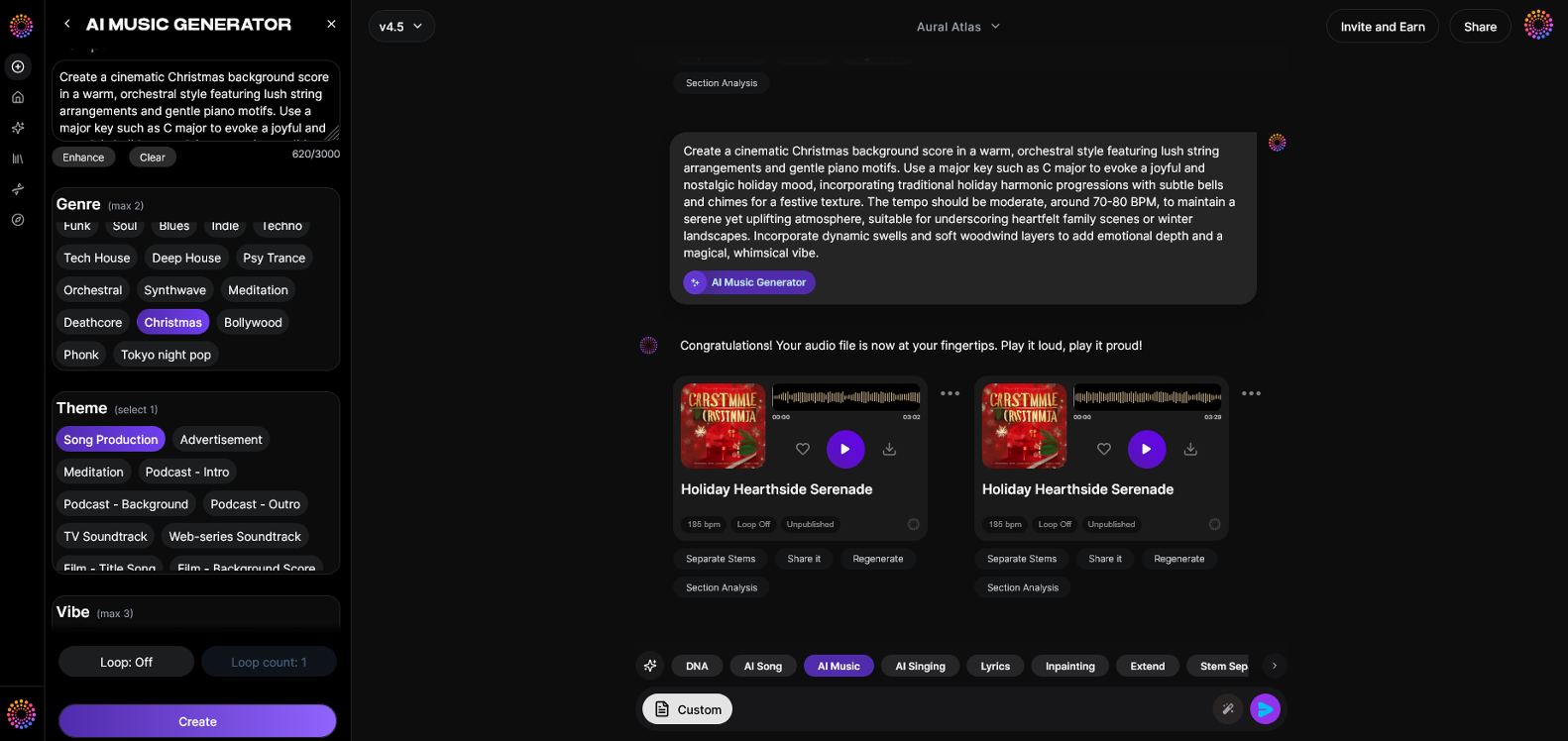
Now that you understand what the sad music genre represents, here's how you can instantly create it using the Soundverse AI Music Generator.
Soundverse enables creators to produce fully composed instrumental music directly from text prompts. You simply describe your desired mood—such as "melancholic piano with slow tempo" or "ambient sorrowful strings"—and Soundverse interprets the text to generate an instrumental composition tailored to your input.
Core capabilities include:
- Text-to-Music: Transform written emotional descriptions into musical form.
- Loop Mode: Make your generated sad tracks seamlessly loopable for films, meditations, or introspective videos.
- Detailed Control: Choose genre, mood, and instrumentation, including minor tonal progressions and soft timbres.
- V4 and V5 Models: These advanced models deliver refined audio realism, ideal for slow tempo music or cinematic sad soundscapes.
Primary use cases:
- Emotional video background tracks
- Game soundtracks evoking tragedy or empathy
- Meditation and wellness sessions
- Advertising campaigns with heartfelt storytelling
Using Soundverse, musicians and creators don't need studio sessions to capture melancholy—they can experiment instantly with tone, pacing, and texture. For creators exploring versatility, other Soundverse tools allow deeper integration:
- The AI Song Generator adds lyrics and vocal arrangements to your sad music.
- The Similar Music Generator recreates instrumentals inspired by emotional reference tracks.
If you want to create more genre-specific moods, see guides like How to Create Jazz Music with Soundverse AI or How to Create Healing Meditation Music with Soundverse AI.
Create Emotionally Powerful Music with Soundverse AI
Turn your ideas into deeply moving compositions in moments. Whether you’re crafting sad music or uplifting melodies, Soundverse AI helps you generate emotion-rich soundscapes effortlessly.
Start Creating with Soundverse
Related Articles
- How to Create Healing Meditation Music with Soundverse AI: Explore techniques to design soothing and emotional soundscapes using AI-powered composition tools.
- How an AI Music Generator Inspires Creative Fusion: Discover how AI can merge genres and emotions to create music that resonates deeply with listeners.
- Most Popular Music Genres: Understand the defining features of top music genres and how emotions play a role in each.
- The Role of AI Music in Film and Television: Learn how AI-generated music enhances storytelling and emotional depth in cinematic productions.
Here's how to make AI Music with Soundverse
Video Guide

Here’s another long walkthrough of how to use Soundverse AI.
Text Guide
- To know more about AI Magic Tools, check here.
- To know more about Soundverse Assistant, check here.
- To know more about Arrangement Studio, check here.
Soundverse is an AI Assistant that allows content creators and music makers to create original content in a flash using Generative AI. With the help of Soundverse Assistant and AI Magic Tools, our users get an unfair advantage over other creators to create audio and music content quickly, easily and cheaply. Soundverse Assistant is your ultimate music companion. You simply speak to the assistant to get your stuff done. The more you speak to it, the more it starts understanding you and your goals. AI Magic Tools help convert your creative dreams into tangible music and audio. Use AI Magic Tools such as text to music, stem separation, or lyrics generation to realise your content dreams faster. Soundverse is here to take music production to the next level. We're not just a digital audio workstation (DAW) competing with Ableton or Logic, we're building a completely new paradigm of easy and conversational content creation.
TikTok: https://www.tiktok.com/@soundverse.ai
Twitter: https://twitter.com/soundverse_ai
Instagram: https://www.instagram.com/soundverse.ai
LinkedIn: https://www.linkedin.com/company/soundverseai
Youtube: https://www.youtube.com/@SoundverseAI
Facebook: https://www.facebook.com/profile.php?id=100095674445607
Join Soundverse for Free and make Viral AI Music

We are constantly building more product experiences. Keep checking our Blog to stay updated about them!