What Genre Is a Sad Song?
Discover what defines the sad song genre, its emotional subtypes, and how to create melancholy music with AI in 2026.
What Genre Is a Sad Song?
Sad songs have a timeless appeal, resonating deeply with listeners across cultures and decades. In 2026, as music creation continues to evolve alongside artificial intelligence, the definition of what makes a 'sad song genre' is more layered and diverse than ever. Whether it's a mournful ballad or a subdued instrumental, the emotional power behind these melodies remains unmatched.
What defines the sad song genre?
The sad song genre refers to music that elicits feelings of sorrow, melancholy, or introspection. These tracks often feature slower tempos, minor keys, and emotive lyrical or instrumental arrangements. A sad song isn’t just about expressing loss—it can reflect nostalgia, heartache, longing, or even quiet acceptance. While sadness is a universal emotion, the musical interpretation differs by genre, culture, and trend. According to studies in Sad Music Listening, tempo, harmonies, and timbre are traditional cues that signal musical sadness.
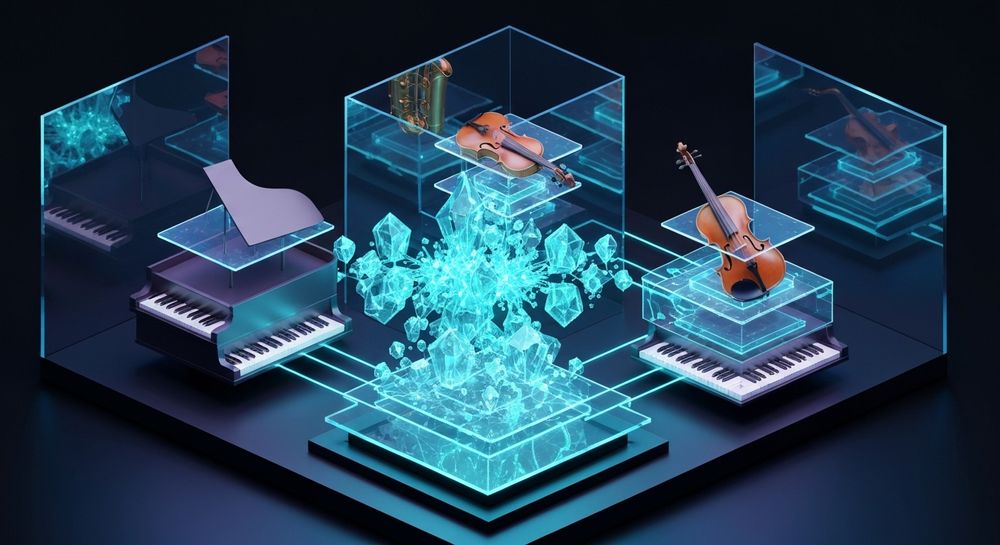
By 2026, emotional music genres have expanded to include experimental blends that merge electronic, acoustic, and cinematic elements. Platforms such as Soundverse have fueled this expansion by enabling creators to develop deeply resonant tracks using AI-powered systems for emotional music composition.
What are the main types of sad music?
Sad music spans several genres and subgenres, each using unique musical techniques to convey emotion. Here are the most recognized types of sad music that dominate both streaming platforms and film scores today:

- Sad Pop Ballads – Rooted in the pop tradition, these melancholy songs often center around love, heartbreak, and loss. Artists use lush synths and intimate vocals to create relatable emotional tones. The popularity of sad pop ballads peaked in 2025, and their emotional storytelling remains influential in 2026.
- Depressive Jazz – This style employs minor chord progressions, slow tempos, and introspective improvisation. The genre evokes feelings of urban solitude and existential reflection. Depressive jazz is increasingly used in film soundtracks and late-night listening playlists.
- Classical and Orchestral Laments – Deeply expressive compositions that feature string sections and piano solos. These works, whether full symphonies or simple piano pieces, often serve as backdrops for meditation or cinematic storytelling.
- Melancholy Indie and Alternative – Independent artists explore personal sadness through subtle, lo-fi production. This type of emotional music genre blends folk, ambient textures, and poetic lyricism.
- Ambient and Cinematic Sadness – Instrumental ambient music uses atmospheric pads and distant reverberation to evoke reflective moods. This subgenre is increasingly generated via AI tools for video and game soundtracks.
- Blues and Slow Rock – The blues tradition remains one of the oldest expressions of sadness through music. Slow rock ballads also perpetuate emotional narratives through guitar solos and lyrical introspection.
- Electronic Downtempo and Chillout – Modern electronic producers create smooth, minimalist beats that express melancholy through rhythm and texture rather than words.
Each of these styles falls under the broader sad song genre, but they differ by form, instrumentation, and emotional nuance.
Why do people connect to melancholy songs?
Sad music resonates because it provides emotional release and validation. Listeners often turn to melancholy songs when they seek connection or introspection. Neuropsychological studies indicate that minor chords and slower rhythms trigger empathetic emotional responses. Research from Music Gateway highlights that sadness in music often emerges through low, drawn-out tones and minor scales.
By 2026, streaming algorithms have become adept at categorizing listeners’ emotional states, recommending personalized melancholy playlists for different moods. Many songwriters craft emotional music genres deliberately to evoke deep reflection—turning sadness into art. Whether you are exploring acoustic sorrow or cinematic despair, you are participating in a global emotional vocabulary understood through sound.
For an in-depth look at composition workflows, visit our Soundverse Tutorial Series - 9. How to Make Music or explore the Soundverse Tutorial Series - 8. “Explore” Tab.
How have sad music genres evolved by 2026?
The landscape of emotional music has been transformed by technology. AI systems, such as the Soundverse AI Music Generator, now allow creators to design fully produced instrumental pieces aligned with specific emotional tones. AI-driven platforms track the evolution of types of sad music and assist artists in exploring new arrangements.
Trends observed in 2026 focus on hybrid genres—integrating sad pop ballads with cinematic strings or blending depressive jazz with ambient electronica. Tools like the Soundverse Arrangement Studio enable producers to layer complex emotional textures easily. Emotional AI composition is no longer experimental; it’s mainstream, shaping playlists, movies, and video games alike.
What instruments and tones define the sad song genre?
Several musical choices produce sadness effectively:
- Minor and diminished chords create dissonance, evoking unease or longing.
- Slow rhythms encourage reflection and emphasize emotional weight.
- String instruments such as violin and cello deliver organic sorrow.
- Piano and acoustic guitar convey fragile, intimate emotion.
- Soft vocal delivery or instrumental ambience helps sustain the introspective tone.
These elements can be combined across genres—from melancholic pop to depressive jazz—to achieve balance between sadness and beauty.
How to make sad music with Soundverse AI Music Generator
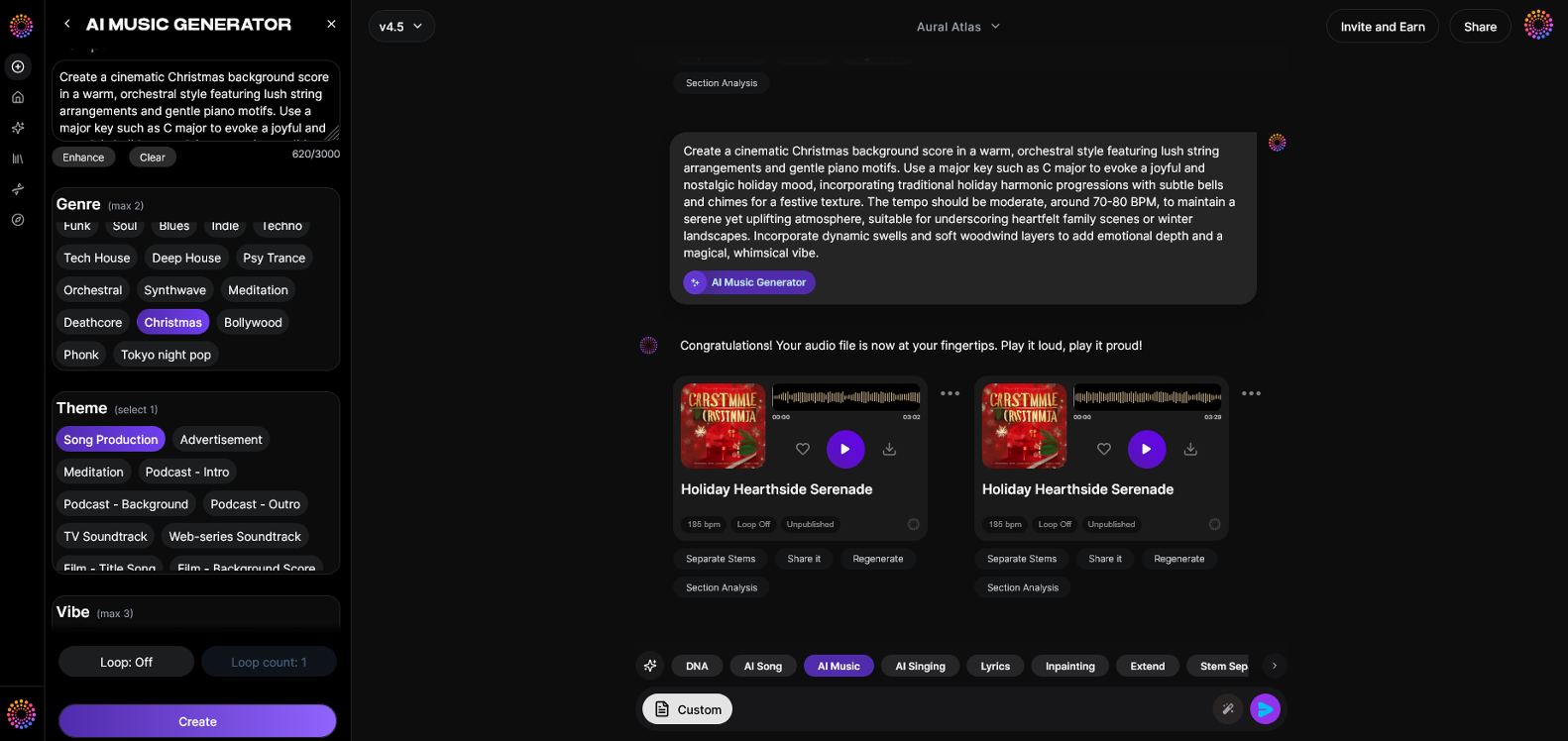
Now that you understand what characterizes sad song genres, here’s how you can create emotional and melancholy instrumentals quickly and professionally.
Soundverse’s AI Music Generator can transform simple text descriptions into fully produced instrumental tracks. It specializes in background music, moody soundscapes, and cinematic loops—all without vocals. Users can specify genre, mood, and instrumentation to craft music that fits any emotional purpose.
Core Features of Soundverse AI Music Generator
- Text-to-Music Composition: Just describe the mood—such as “melancholic piano with soft ambient pads”—and the AI generates a matching instrumental.
- Loop Mode: Ideal for creating seamless atmospheric tracks suitable for video or game backgrounds.
- Genre & Mood Control: Define the emotional depth, from subtle melancholy to full sorrowful orchestration.
- V4 and V5 Model Variety: Choose between different production models for texture complexity and realism.
Use cases include:
- Film and advertising emotional backdrops
- Game music loops that evoke sadness or tension
- Meditation and relaxation tracks with bittersweet ambiance
To explore related ideas, check out How to Create Jazz Music with Soundverse AI or The Role of AI Music in Film and Television. These guides elaborate on how mood-driven sound design is shaping modern composition.
Why Soundverse stands out for melancholic compositions
Unlike standard AI audio platforms, Soundverse gives fine control over genre and tone. You can create depressive jazz, sad pop ballads, or atmospheric mournful instrumentals—all directly from text prompts. With looping capabilities and detailed control over instrumentation, it’s an ideal solution for music creators who need emotional precision without manual mixing.
The system works asynchronously: you input your description, the AI processes it, and delivers the finished track for download. This workflow is efficient and reliable for creating all types of sad music.
For deeper inspiration, explore these complementary articles: Most Popular Music Genres, How AI Generated Music Is Transforming the Music Industry, and Soundverse AI Revolutionizing Music Creation for New Age Content Creators.
Create Your Own Sad Song Genre with Soundverse AI
Unlock the emotion in every note using Soundverse’s AI-powered text-to-music tools. Instantly generate music that captures melancholy, nostalgia, or any feeling you want listeners to feel.
Start Creating With Soundverse
Related Articles
- Most Popular Music Genres — Discover the world’s most beloved music genres and understand what makes each unique in emotion and sound.
- Generate AI Music with Soundverse Text-to-Music — Learn how to turn text prompts into beautifully composed AI music with Soundverse’s intuitive text-to-music system.
- How to Make AI-Generated Music — A complete guide on how artists and creators can produce high-quality songs using AI tools in Soundverse.
- AI Music Generator and Human Composers: A Future Together — Explore how AI and human creativity are merging to redefine musical expression.
Here's how to make AI Music with Soundverse
Video Guide

Here’s another long walkthrough of how to use Soundverse AI.
Text Guide
- To know more about AI Magic Tools, check here.
- To know more about Soundverse Assistant, check here.
- To know more about Arrangement Studio, check here.
Soundverse is an AI Assistant that allows content creators and music makers to create original content in a flash using Generative AI.
With the help of Soundverse Assistant and AI Magic Tools, our users get an unfair advantage over other creators to create audio and music content quickly, easily and cheaply.
Soundverse Assistant is your ultimate music companion. You simply speak to the assistant to get your stuff done. The more you speak to it, the more it starts understanding you and your goals.
AI Magic Tools help convert your creative dreams into tangible music and audio. Use AI Magic Tools such as text to music, stem separation, or lyrics generation to realise your content dreams faster.
Soundverse is here to take music production to the next level. We're not just a digital audio workstation (DAW) competing with Ableton or Logic, we're building a completely new paradigm of easy and conversational content creation.
TikTok: https://www.tiktok.com/@soundverse.ai
Twitter: https://twitter.com/soundverse_ai
Instagram: https://www.instagram.com/soundverse.ai
LinkedIn: https://www.linkedin.com/company/soundverseai
Youtube: https://www.youtube.com/@SoundverseAI
Facebook: https://www.facebook.com/profile.php?id=100095674445607
Join Soundverse for Free and make Viral AI Music

We are constantly building more product experiences. Keep checking our Blog to stay updated about them!