What Genre Are Sad Songs? Exploring Melancholy and Emotional Music in 2026
Discover the main sad song genres and how they define melancholy music in 2026.
What Genre Are Sad Songs?
Sad songs have always held a special place in music culture. They evoke feelings of heartbreak, nostalgia, longing, and emotional introspection. In 2026, as music continues to evolve with AI-driven creativity and new emotional landscapes, one question remains timeless: what genre are sad songs? Understanding sad song genres allows listeners and creators alike to explore the vast universe of melancholy music and emotional song styles that define the essence of human vulnerability.
What defines a sad song in 2026?

Sad songs are not limited to one particular genre. They can appear within pop, rock, classical, R&B, or even electronic music. The defining element is emotional tone — conveyed through melody, harmony, instrumentation, and tempo. Typically, sad songs feature slow ballads, minor chords, soothing instrumentation, and lyrics or atmospheres that express sorrow, loneliness, or introspection.
In 2026, with continued innovation in AI music generation and genre fusion, creators explore new ways to express sadness through sound. Even in upbeat genres, subtle melodic phrasing and tonal shifts can generate emotional weight, demonstrating that sadness transcends genre boundaries.
What are the most common sad song genres?

When breaking down the concept of sad song genres, several dominant styles emerge across music culture. Each genre brings its own emotional flavor and context to melancholy music.
1. Slow Ballads
Slow ballads remain one of the most recognizable formats for expressing sadness. Driven by piano, acoustic guitar, or soft orchestral arrangements, these songs prioritize emotional storytelling. Popular in pop and R&B, slow ballads focus on heartbreak and vulnerability. Their tempo is typically slow, allowing the listener to process each chord and lyrical nuance.
2. Acoustic Folk
Acoustic folk music naturally embraces raw emotion through minimal instrumentation and narrative lyrics. Sad folk songs often depict personal struggles, loneliness, and existential reflection. Artists use stripped-down structures to highlight authenticity, creating intimate listening experiences that feel like personal confessions.
3. Blues
Originating from the emotional hardships of early African-American history, the blues remains one of the foundational sad song genres. Its use of the blue note and expressive guitar lines conveys deep melancholy, even when the rhythm feels lively. In 2026, contemporary blues continues to evolve through digital fusion and AI-assisted production, while retaining its emotional depth.
4. Alternative Rock and Indie
Alternative and indie music frequently adopt melancholic tones. These genres give artists freedom to explore complex emotional states through experimental sound design. Heartbreak songs in indie rock often feature reverb-heavy guitars and introspective lyrics, building cinematic emotional tension perfect for listeners seeking immersion. Modern sadcore revival movements demonstrate how distorted guitars and nostalgic vocal tones reframe sadness for a new generation.
5. Classical and Orchestral
Few musical styles portray sadness as beautifully as classical compositions. Whether through tragic symphonies or minimalistic piano pieces, classical music captures emotion on a grand scale. In the AI music landscape of 2026, orchestral sad music is often generated as background for film soundtracks, gaming, and meditation projects.
6. Lo-Fi and Ambient
Lo-fi and ambient genres thrive on atmospheric melancholy. Using grainy textures, soft beats, and minimal melodic progression, these emotional song styles inspire calm sadness rather than sorrow. They are popular among creators making meditative or reflective playlists. Tools like Soundverse have embraced this emotional depth, helping users generate ambient sadness to fit moods or visual projects.
7. Emo and Post-Rock
The term "emo" originally described emotional punk rock, but by 2026 it has transformed into a broader soundscape blending rock with cinematic arrangements. Post-rock similarly focuses on instrumental storytelling — songs without words that still convey pain, reflection, and transcendence.
8. R&B and Soul
Soul and R&B remain timeless in their ability to express heartbreak and yearning. Sad songs in these genres typically use smooth vocal runs and lush harmonies with slow rhythms that amplify sorrow. Whether classic or ai-generated, R&B retains its deep emotional legacy through expressive instrumentation and emotional realism.
9. Depressing Pop and Minimal Electronic
Modern pop has gradually embraced emotional authenticity. In 2026, sad pop songs combine minimal electronic production with intimate vocals. Electronic artists experiment with haunting synths and slow grooves, crafting emotional spaces that mirror heartbreak and resilience. As seen in newer playlists like Sad Songs 2026 - Saddest Music Hits, this hybrid electronic melancholy defines futuristic emotional pop.
10. Jazz Ballads
Jazz is often associated with sophistication and mood, and its ballads convey deep emotion through improvisation. A minor key and slow swing rhythm combine to build reflection and sadness. As jazz becomes increasingly hybridized with electronic sounds, creators continue to rely on its emotive essence to capture melancholy.
These styles collectively form the umbrella of depressing music genres that highlight the diversity of sadness in music. Across eras and technologies, they emphasize human emotion as timeless and universal.
Why do we love melancholy music?
Listeners are naturally drawn to melancholic music because it resonates with shared human experiences. Sad songs help us process feelings of loss, heartbreak, or nostalgia. In the digital age, sad music provides emotional catharsis — a safe way to explore vulnerability in sound.
Psychologically, the bittersweet quality of melancholy music activates emotional balance. The minor-key tone triggers empathy and introspection. Especially in 2026, where AI can fine-tune atmospheres to match emotional cues, the ability to generate music that mirrors human mood has changed how audiences connect with art.
For example, AI engines such as those used in Soundverse allow creators to design instrumental tracks expressing sadness, heartbreak, or longing — perfect for film soundtracks or personal projects. Sad song genres are now accessible to anyone, not only professional producers. Many creators also explore hybrid mood playlists such as Sad Girl Autumn collections to redefine emotional listening in 2026.
For a deeper dive, watch our guide on how to make music or explore the “Explore” tab walkthrough for emotional genre generation techniques.
The role of AI in creating sad music
Artificial intelligence has revolutionized the process of composing melancholic pieces. Modern text-to-music systems interpret abstract feelings like grief or nostalgia into specific musical parameters including tempo, chord structure, and instrumentation.
In 2026, advancements like Soundverse’s AI Music Generator enable musicians, filmmakers, and content creators to instantly produce emotional soundscapes that evoke sadness, peace, or introspection. This technology does not replace human emotion but amplifies it through precision and accessibility.
For instance, creators can use Soundverse alongside other tools such as its AI Song Generator or AI Lyrics Writer to bring cohesive emotional projects to life. The resulting synergy between AI composition and human emotion defines the next era of music creation.
How to make sad song genres with Soundverse AI Music Generator
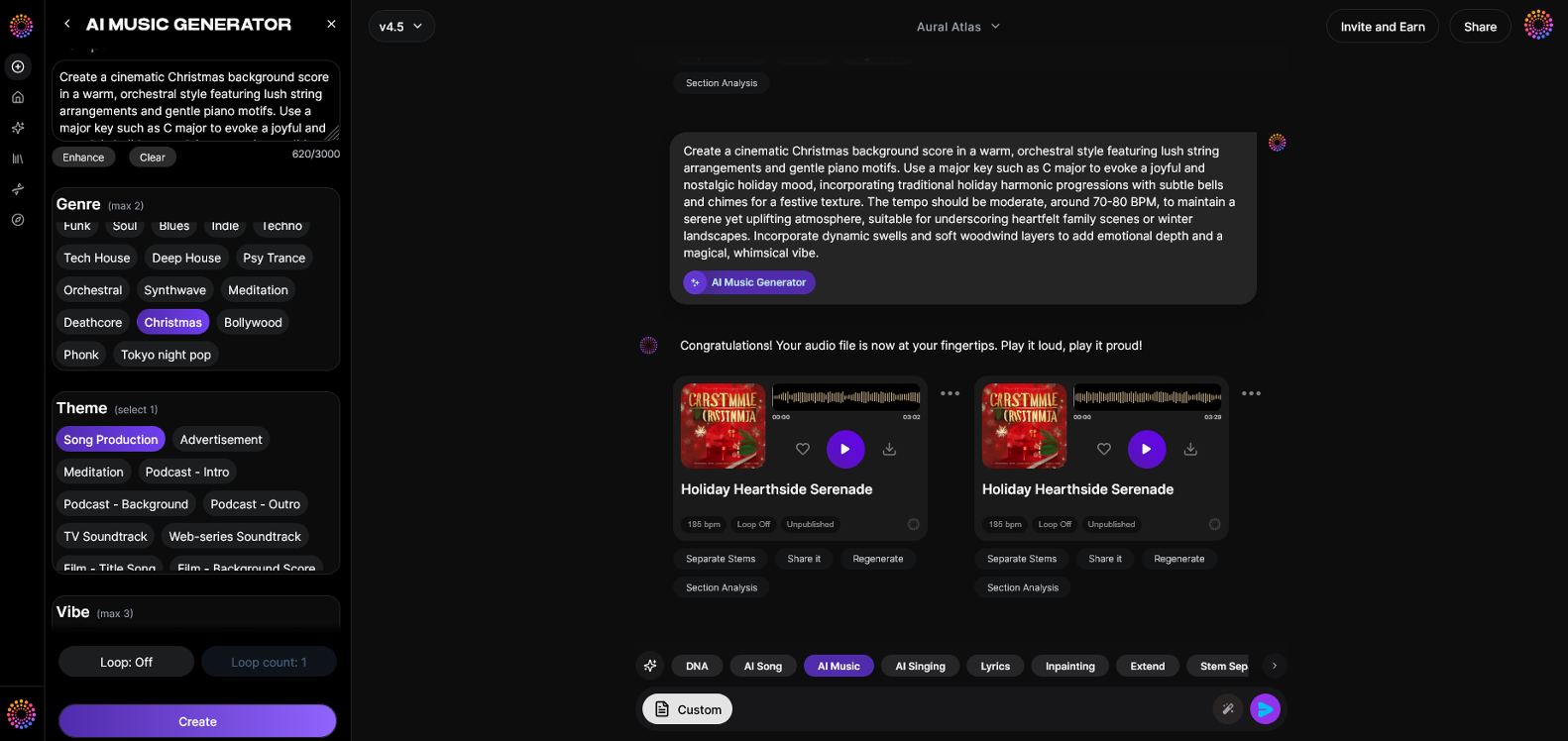
Now that you understand what sad song genres are and how they differ, here’s how you can generate your own emotional instrumental tracks instantly using Soundverse.
Soundverse’s AI Music Generator lets you create fully produced instrumental music from text prompts. You simply describe the kind of feeling or style you want — for example, “a slow ballad piano track that evokes heartbreak” — and the system generates a high-quality composition matching your description.
Core Capabilities
- Text-to-Music Generation: Turn written descriptions like “melancholy piano piece” or “ambient heartbreak soundscape” into full instrumental compositions.
- Loop Mode: Create seamless, repeating tracks perfect for meditation, film, or emotional sequences.
- Detailed Genre and Mood Control: Choose the musical atmosphere you want, adjusting tempo, tone, and instrumentation.
- Model Options: Switch between V4 and V5 models depending on desired complexity or sound depth.
Use Cases for Sad Song Genres
- Film and Video Backgrounds: Set emotional tone with cinematic sad music.
- Game Soundtracks: Build immersive moments of reflection or loss.
- Meditation and Wellness Tracks: Craft slow ambient sadness to evoke introspection.
- Advertising and Commercial Projects: Enhance emotional messaging with sorrowful or nostalgic tones.
To learn more about how Soundverse empowers creators, explore related guides such as How to Create Jazz Music with Soundverse AI, Soundverse Assistant – Your AI Music Co-Producer, and How AI-Generated Music Is Transforming the Music Industry.
Generate Your Own Sad Song Genres with AI
Transform emotions into sound—create touching, melancholic melodies or powerful ballads with Soundverse AI. Experience how technology turns mood and genre into music instantly.
Related Articles
- Most Popular Music Genres: Explore the world’s top music genres and discover what makes each style unique.
- Generate AI Music with Soundverse Text to Music: Learn how to turn your words and emotions into songs using Soundverse’s text-to-music technology.
- How to Create Healing Meditation Music with Soundverse AI: See how AI can help you craft gentle, soulful sounds perfect for relaxation and reflection.
- The Role of AI Music in Film and Television: Discover how AI-generated soundscapes are transforming emotional storytelling across film and media.
Here's how to make AI Music with Soundverse
Video Guide

Here’s another long walkthrough of how to use Soundverse AI.
Text Guide
- To know more about AI Magic Tools, check here.
- To know more about Soundverse Assistant, check here.
- To know more about Arrangement Studio, check here.
Soundverse is an AI Assistant that allows content creators and music makers to create original content in a flash using Generative AI. With the help of Soundverse Assistant and AI Magic Tools, our users get an unfair advantage over other creators to create audio and music content quickly, easily and cheaply. Soundverse Assistant is your ultimate music companion. You simply speak to the assistant to get your stuff done. The more you speak to it, the more it starts understanding you and your goals. AI Magic Tools help convert your creative dreams into tangible music and audio. Use AI Magic Tools such as text to music, stem separation, or lyrics generation to realise your content dreams faster. Soundverse is here to take music production to the next level. We're not just a digital audio workstation (DAW) competing with Ableton or Logic, we're building a completely new paradigm of easy and conversational content creation.
TikTok: https://www.tiktok.com/@soundverse.ai
Twitter: https://twitter.com/soundverse_ai
Instagram: https://www.instagram.com/soundverse.ai
LinkedIn: https://www.linkedin.com/company/soundverseai
Youtube: https://www.youtube.com/@SoundverseAI
Facebook: https://www.facebook.com/profile.php?id=100095674445607
Join Soundverse for Free and make Viral AI Music

We are constantly building more product experiences. Keep checking our Blog to stay updated about them!