What Does Royalty-Free Music Mean?
Learn what royalty-free music means and how it impacts creators in 2026.
What Does Royalty-Free Music Mean?
Royalty-free music is one of the most important concepts that every content creator, marketer, and small business needs to understand in 2026. As digital media continues to dominate platforms such as YouTube, TikTok, and Instagram, the demand for background music that is affordable and free from complicated licensing structures has reached new heights. Yet, the term “royalty-free” is often misunderstood. It doesn’t mean the music is totally free or comes without conditions—it refers to how licensing and payments are managed. This article explores everything you need to know about royalty-free music, how it compares to copyright-free tracks, and how innovative platforms like Soundverse make ethical, licensed music accessible for modern creators.
What does “royalty-free music” actually mean?
Royalty-free music refers to a licensing model where a user pays a one-time fee—or sometimes accesses the music under a subscription—and can then use that piece of music without paying ongoing royalties each time it’s played or downloaded. In traditional copyright licensing, creators and companies had to pay royalties for every usage or broadcast. Royalty-free music simplifies that process. You purchase or subscribe once, and you’re free to use the track in your videos, advertisements, podcasts, or games according to the license terms.

It’s important to note that “royalty-free” doesn’t mean completely free of cost. The “free” part refers to freedom from ongoing royalties, not from initial payment. The music is still copyrighted. The licensing gives you rights to use it—without needing to negotiate usage-based payments for every instance. Essentially, royalty-free music lets creators use tracks without paying royalties every time it’s played.
How does royalty-free music differ from copyright-free music?
Many confuse “royalty-free” with “copyright-free.” The distinction lies in ownership. Royalty-free music is still protected by copyright. You, the user, are granted permission to use that music, but you don’t own or control its copyright. Copyright-free music has no such barrier—it’s either placed in the public domain or released under a license that waives copyright rights completely.

For example, public domain music or tracks released under Creative Commons Zero (CC0) are considered copyright-free. They can be used, modified, and distributed without restriction. However, royalty-free tracks, even under Creative Commons or commercial license, often have usage conditions—such as prohibiting resale or requiring attribution.
For creators, understanding this distinction prevents legal trouble and ensures compliance with music rights. Businesses often prefer royalty-free music sources because they provide a clear licensing framework, whereas copyright-free tracks can be unpredictable and easily misattributed.
Why is royalty-free music essential for creators in 2026?
In 2026, digital content creation is at an all-time high. Social media platforms, streaming services, and even AI-generated content workflows demand background music that’s versatile, safe, and accessible. Royalty-free music is attractive because it saves both time and money.
A few key benefits include:
- Simplified licensing: You don’t need to negotiate with individual rights holders or pay each time the music is used.
- Cost efficiency: One-time payments or subscription plans reduce recurring expenses for creators producing multiple videos.
- Legal security: Licensed royalty-free music provided through verified channels ensures protection against copyright strikes and DMCA takedowns.
- Creative flexibility: Royalty-free libraries provide diverse genres—from cinematic scores to lo-fi ambient tracks—empowering creators to maintain brand consistency.
Content creators who use royalty-free sources avoid the frustration of needing separate performance or mechanical licenses that traditional copyrighted music demands. For a deeper dive, watch our guide on how to make music or explore the “Explore” tab tutorial for finding inspiration in Soundverse.
You can learn more about modern music trends and how royalty-free soundscapes fit into today’s creative industry in this article.
What are the different types of music licensing?
There are several forms of music licensing that help define how users can interact with audio content:
- Public performance license – Allows music to be played publicly, like in restaurants or broadcasts.
- Synchronization license – Needed when pairing music with visual media, such as a YouTube video or commercial.
- Mechanical license – Covers the reproduction of music, such as CDs or digital downloads.
- Master license – Grants rights to use the original recording.
Royalty-free music providers typically combine several of these rights under one simplified agreement. This means creators pay once and gain usage rights across multiple forms of content.
Platforms using AI-generated or stock music have become especially popular alternatives to traditional licensing systems. For example, tools discussed in this Soundverse article highlight how ethical AI-driven systems can manage licensing transparently.
What makes royalty-free different from stock music?
Stock music is a broader term that includes royalty-free offerings but may also involve other types of licensing. Stock music libraries often host curated tracks from composers who allow usage under certain conditions. Some tracks require per-project payments, while others fall under royalty-free subscriptions.
In essence, royalty-free music is often part of stock music libraries—but not all stock music is royalty-free. For example, a cinematic composition available on a stock platform may require an additional synchronization license if used in a film.
What are royalties, and how do they relate to music rights?
Royalties are payments made to creators or rights holders each time their music is used, sold, performed, or broadcast. They can stem from public performances, digital streaming, physical sales, or synchronization in multimedia. Traditional royalties were managed through performing rights organizations (PROs) like ASCAP or BMI. However, with the rise of royalty-free platforms, creators can opt for models where they earn through upfront licensing or alternative recurring compensation systems that depend on attribution data.
Music rights ensure that an artist’s intellectual property is respected and fairly compensated. Even royalty-free systems depend on foundational copyright laws to function ethically.
How to make royalty-free music work for your brand in 2026
For video producers and small businesses, integrating royalty-free music effectively means aligning your sonic identity with brand values. Choose tracks that reinforce tone and audience engagement. For example, upbeat royalty-free tracks can energize promotional content, while ambient melodies might suit product visuals or meditation apps. Creators exploring AI solutions can experiment with genre-based generation tools covered in this guide. For a deeper creative breakdown, watch our Deep House Music tutorial on the Soundverse YouTube channel.
How to make royalty-free music with Soundverse Content Partner Program
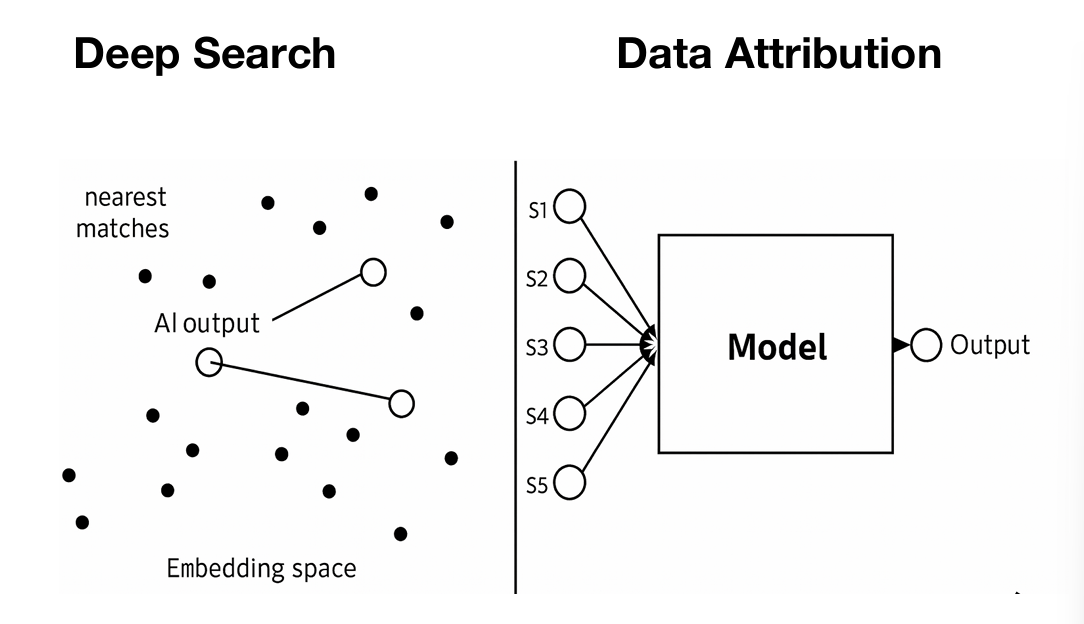
The Soundverse Content Partner Program introduces a modern way to engage with royalty-free music creation and ethical licensing. It’s an opt-in licensing framework where rights holders contribute audio for AI training in exchange for recurring, usage-based royalties driven by attribution. Instead of opaque data pipelines, Soundverse ensures transparency through tiered licensing and real-time dashboards.
Core Capabilities:
- Influence-Based Payouts (Pay per generation): Artists earn royalties each time their content contributes to generated AI music.
- Tiered Licensing (Tiers 1–6): Enables flexible participation for independent creators and established publishers.
- Real-Time Dashboards for Earnings: Rights holders can monitor income derived from the AI generation process.
- Transparency Reports on Data Usage: Every sound’s path—from upload to model training—is visible.
Primary Use Cases: Include generating recurring revenue from back catalogs, enabling ethical AI model training, and protecting rights while participating in the growing AI economy. This framework ensures that royalty-free does not mean artist exploitation. Instead, it creates a fair, traceable ecosystem.
Complementary tools, such as Soundverse Trace, embed attribution and protect rights across the entire music lifecycle. Combined with The Ethical AI Music Framework, Soundverse provides transparency previously unseen in the stock music world.
For creators, this means they can source or generate royalty-free music ethically and confidently—knowing that artists are compensated fairly. For rights holders, it introduces a new avenue for passive income generation through AI-driven sound usage.
Discover how this ethical model aligns with future trends in this Soundverse article, showing how technology and creative integrity intertwine.
Start Creating Royalty-Free Music Today
Generate unique, license-friendly tracks instantly with Soundverse’s AI tools. Save time, avoid copyright headaches, and explore endless creative possibilities.
Related Articles
- Navigating the World of Royalty-Free and Copyright-Free Music Using Soundverse AI: Discover how Soundverse AI helps creators find and produce copyright-safe music for all types of content.
- Enhancing YouTube Content with Royalty-Free and Copyright-Free Music Using Soundverse AI: Learn how to elevate your YouTube videos using royalty-free tracks generated by AI.
- Copyright-Free vs. Royalty-Free Music: What Creators Should Know: Understand the key differences between copyright-free and royalty-free music to make smarter licensing decisions.
- The Role of AI Music in Film and Television: Explore how AI-generated royalty-free music is shaping modern film and TV productions with flexible licensing options.
Here's how to make AI Music with Soundverse
Video Guide
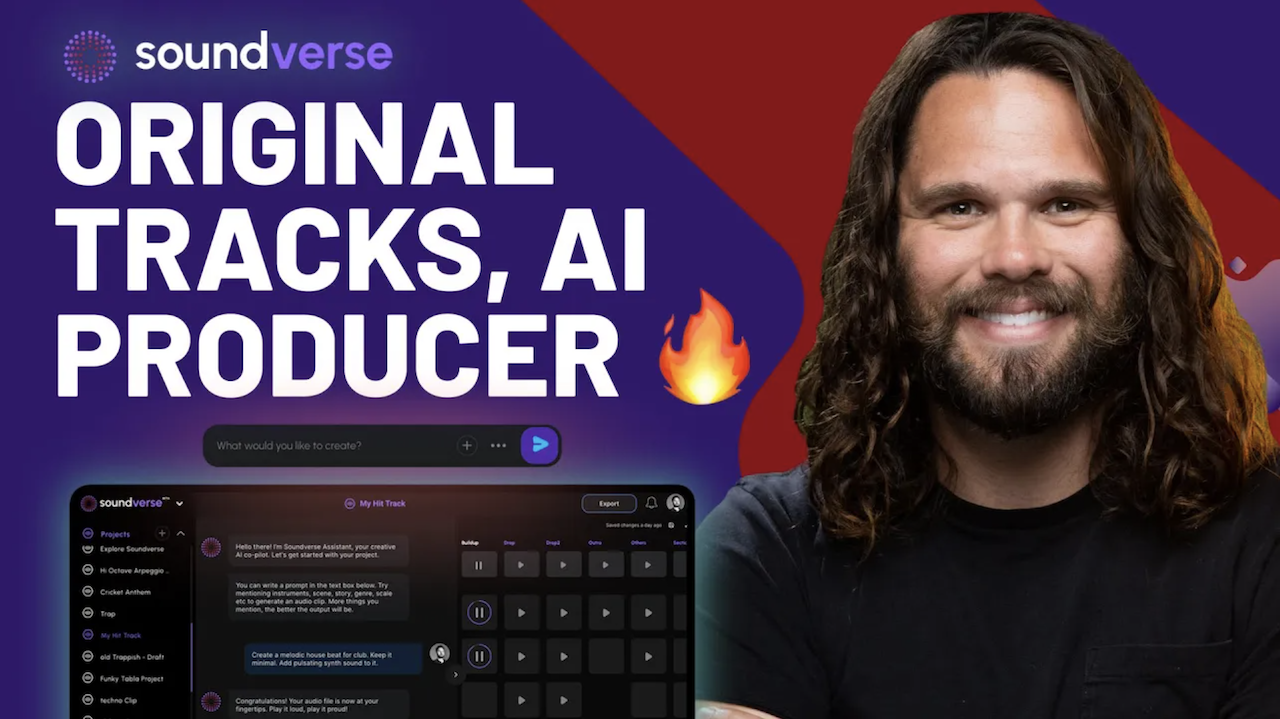
Here’s another long walkthrough of how to use Soundverse AI.
Text Guide
- To know more about AI Magic Tools, check here.
- To know more about Soundverse Assistant, check here.
- To know more about Arrangement Studio, check here.
Soundverse is an AI Assistant that allows content creators and music makers to create original content in a flash using Generative AI. With the help of Soundverse Assistant and AI Magic Tools, our users get an unfair advantage over other creators to create audio and music content quickly, easily and cheaply. Soundverse Assistant is your ultimate music companion. You simply speak to the assistant to get your stuff done. The more you speak to it, the more it starts understanding you and your goals. AI Magic Tools help convert your creative dreams into tangible music and audio. Use AI Magic Tools such as text to music, stem separation, or lyrics generation to realise your content dreams faster. Soundverse is here to take music production to the next level. We're not just a digital audio workstation (DAW) competing with Ableton or Logic, we're building a completely new paradigm of easy and conversational content creation.
TikTok: https://www.tiktok.com/@soundverse.ai
Twitter: https://twitter.com/soundverse_ai
Instagram: https://www.instagram.com/soundverse.ai
LinkedIn: https://www.linkedin.com/company/soundverseai
Youtube: https://www.youtube.com/@SoundverseAI
Facebook: https://www.facebook.com/profile.php?id=100095674445607
Join Soundverse for Free and make Viral AI Music
We are constantly building more product experiences. Keep checking our Blog to stay updated about them!