What Does Royalty Free Mean? A 2026 Guide for Creators and Businesses
Understand the true royalty free meaning & how it impacts music, images, and content rights in 2026.
What Does Royalty Free Mean?
In today’s fast-moving digital ecosystem, creators and businesses constantly search for affordable and legally safe ways to use creative assets. Whether you’re designing social ads, producing YouTube videos, or crafting podcasts, the term “royalty free” appears everywhere. Yet in 2026, as intellectual property management and AI content generation evolve, misunderstanding this concept can still lead to rights conflicts. So what does royalty free really mean, and how does it apply to music, images, and other forms of content?
What does royalty free mean in 2026?
The phrase “royalty free” does not mean an asset is completely free or unlicensed. The royalty free meaning refers to a licensing system where you pay a one-time fee to use creative works—such as music tracks, images, or video clips—without needing to pay ongoing royalties for each use. In contrast, traditional copyrighted works often involve continuous payments every time the content is broadcast, sold, or reproduced. With royalty free assets, once purchased, you can use them under the agreed license without accounting for every instance of use. This explanation aligns with how Epidemic Sound defines royalty-free music as being usable without paying repeated royalties each time it’s played.
In 2026, this definition still holds, but the environment around royalty free licensing has matured. AI-generated content and automated copyright detection have added layers of transparency and accountability. As a result, creators must understand how “royalty free” differs from “copyright free” and “public domain.” While a royalty free license gives permission to use, the creator still maintains ownership. A copyright free or public domain asset can be used by anyone without any license restrictions, as explained by Cornell University’s guide to public domain.
How does royalty free apply to music?
Royalty free music has become a backbone for online video and social media creation. Businesses and individuals use royalty free tracks to create mood, pacing, or branding for their projects. Instead of paying a composer or record label royalties each time a song appears, users download tracks under a license from a royalty free platform. This model is thoroughly discussed by Storyblocks, noting that “royalty free” does not mean free of cost, but rather free from ongoing payments.
However, the key nuance lies in licensing terms. Even royalty free music comes with boundaries—such as restrictions against resale, remixing, or unauthorized redistribution. Trends in 2026 show that content creators now seek more ethically sourced, rights-protected sound libraries. This growing demand links directly to technologies found in platforms like Soundverse, where attribution and transparency play an essential role. Those interested in how AI is reshaping the music industry can explore editorials like How AI-generated music is transforming the music industry and AI music generator and human composers: a future together. For a deeper dive, watch our guide on creating Deep House music.
What about royalty free images and videos?
Visual creators rely heavily on royalty free image libraries for websites, marketing, and social campaigns. Platforms like Shutterstock or Pexels license photos under royalty free conditions—again, meaning you pay once, use many times. But proper use still demands understanding attribution rules, especially for editorial versus commercial usage. In 2026, AI-powered image tracking tools can identify misattributed assets across social channels instantly, further encouraging creators to adhere strictly to licensing terms.
Royalty free videos follow the same logic, serving as time-saving components for online advertisements or brand storytelling. For business owners, choosing royalty free visuals ensures professionalism without risking copyright infringement penalties. The notion of single-fee, multi-use licensing is supported by the PMA’s explanation of royalty free music.
How does royalty free licensing relate to intellectual property?
The idea of royalty free licensing connects directly to managing intellectual property (IP). IP governs who owns creative work, how it can be shared, and what compensation is owed. In a royalty free model, authors still hold copyright, but licensees gain permission to use the work under specific conditions. These arrangements protect creators while granting freedom to users. Combined with emerging AI technologies, IP frameworks now allow automatic tracking of usage, ensuring fair recognition and compensation.
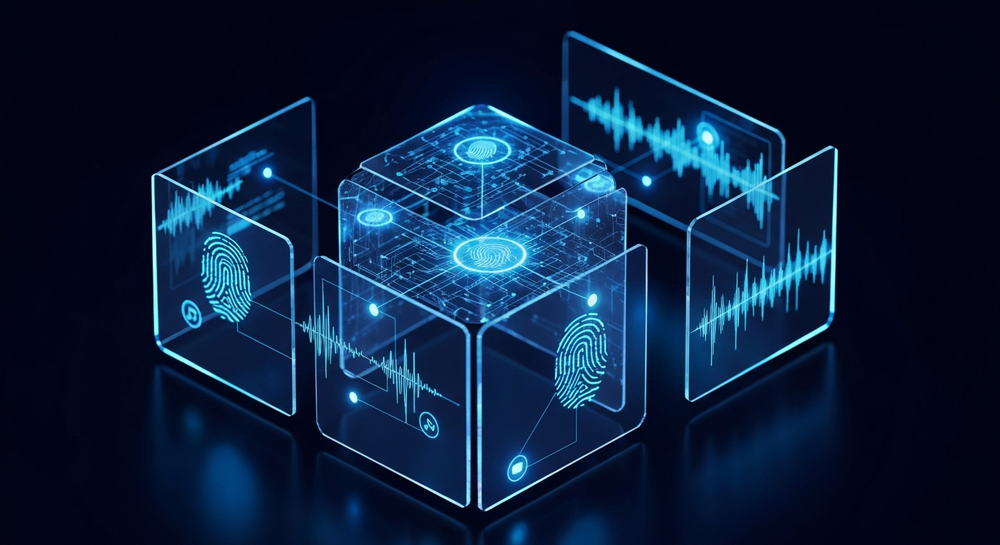
Today’s AI music and media platforms embed digital fingerprints or metadata identifiers that link each use back to its creator. One example is Soundverse Trace — a trust layer that protects creator attribution across the content lifecycle. This advancement is reshaping stock content rights by providing a hybrid between royalty free access and transparent data ethics. For creators exploring AI composition or background sound generation, related guides like Enhancing YouTube content with royalty free and copyright free music using Soundverse AI and Navigating the world of royalty free and copyright free music using Soundverse AI offer practical advice. You can also explore our tutorial on making music and overview of the Soundverse “Explore” tab.
Why does understanding copyright licensing matter in 2026?
Copyright licensing remains vital to creative businesses. The rapid convergence of AI and media distribution means every uploaded asset can be tracked back to its source. Misuse or misunderstanding about royalty free agreements can lead to takedowns or lost revenue, as outlined in Adobe’s blog on royalty free benefits. Brands must verify legitimate licenses, while artists must choose distribution channels that align with their ownership values.
In 2026, transparency is currency. Ethical content sourcing has become an expectation rather than a trend. Audiences increasingly prefer brands that respect artists and embrace responsible AI. Clear royalty free licensing enables this trust, letting creators work without fear of infringement while ensuring that originators receive fair compensation whenever possible.
What are common myths about royalty free content?
Several misconceptions persist:
- Royalty free equals copyright free: Incorrect. The creator keeps copyright; users just get a license.
- Royalty free means totally free: Usually false. You often pay upfront—what’s free is freedom from recurring payments.
- No attribution required: Some licenses still require attribution, depending on the provider.
- Unlimited use: Licensing limits exist—especially around reselling or redistribution. These clarifications echo findings from Storyblocks and other licensing authorities explaining why misunderstanding can lead to misuse.
How to make sense of stock content rights in the AI era
Stock content rights have expanded beyond photos and audio to AI-generated creations. When AI generates material trained on datasets, licensing frameworks define whether outputs fall under royalty free conditions or require extended permissions. Ethical AI providers now design licensing architectures ensuring that all data sources respect creators. Platforms leading the way implement attribution automatically, aligning the royalty free concept with recurring creator payments.
How to make understanding royalty free easier with Soundverse Content Partner Program
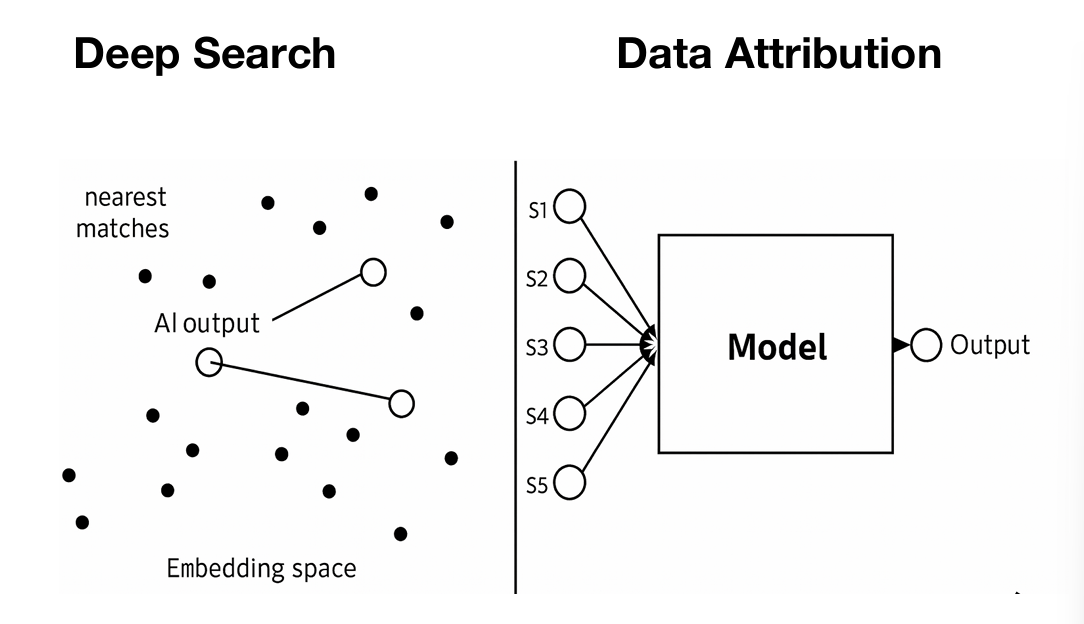
The Soundverse Content Partner Program brings clarity to this evolving landscape. Instead of ignoring creator royalties entirely, it builds a framework where rights-holders contribute audio for AI training while earning recurring, usage-based royalties driven by attribution. You opt in voluntarily, maintaining ownership while enabling your back catalog to generate income repeatedly.
Core capabilities of the Soundverse Content Partner Program
- Influence-Based Payouts (Pay per generation): Creators earn royalties whenever their content influences a generated piece within Soundverse AI.
- Tiered Licensing (Tiers 1–6): Flexible levels for contributors based on data quality and influence scope.
- Real-Time Dashboards: View aggregated earnings and transparent usage insights.
- Transparency Reports: Monitor how your data contributes to ethical AI model training.
Through this system, Soundverse connects the royalty free concept to ongoing creator empowerment. It ensures that royalty free audio does not mean royalty ignored—it becomes royalty rewarded via transparent attribution. The program also strengthens compliance across intellectual property networks, echoing principles established in Soundverse AI Revolutionizing Music Creation for New Age Content Creators.
Start Creating Royalty-Free Music Today
Generate unique, production-ready tracks in seconds with Soundverse AI. Say goodbye to licensing worries and create music freely for videos, podcasts, and more.
Related Articles
- Copyright Free vs Royalty Free Music: What Creators Should Know: Explore the key differences between copyright-free and royalty-free music and learn which option best suits your creative projects.
- Navigating the World of Royalty-Free and Copyright-Free Music Using Soundverse AI: Learn how Soundverse AI simplifies finding and creating royalty-free tracks for your videos, games, and podcasts.
- Enhancing YouTube Content with Royalty-Free and Copyright-Free Music Using Soundverse AI: Discover how creators can boost their YouTube content using safe, royalty-free music powered by Soundverse AI.
- The Role of AI Music in Film and Television: See how AI-generated music, including royalty-free options, is revolutionizing soundtracks for film and television.
Here's how to make AI Music with Soundverse
Video Guide
Here’s another long walkthrough of how to use Soundverse AI.
Text Guide
- To know more about AI Magic Tools, check here.
- To know more about Soundverse Assistant, check here.
- To know more about Arrangement Studio, check here.
Soundverse is an AI Assistant that allows content creators and music makers to create original content in a flash using Generative AI. With the help of Soundverse Assistant and AI Magic Tools, our users get an unfair advantage over other creators to create audio and music content quickly, easily and cheaply. Soundverse Assistant is your ultimate music companion. You simply speak to the assistant to get your stuff done. The more you speak to it, the more it starts understanding you and your goals. AI Magic Tools help convert your creative dreams into tangible music and audio. Use AI Magic Tools such as text to music, stem separation, or lyrics generation to realise your content dreams faster. Soundverse is here to take music production to the next level. We're not just a digital audio workstation (DAW) competing with Ableton or Logic, we're building a completely new paradigm of easy and conversational content creation.
TikTok: https://www.tiktok.com/@soundverse.ai
Twitter: https://twitter.com/soundverse_ai
Instagram: https://www.instagram.com/soundverse.ai
LinkedIn: https://www.linkedin.com/company/soundverseai
Youtube: https://www.youtube.com/@SoundverseAI
Facebook: https://www.facebook.com/profile.php?id=100095674445607
Join Soundverse for Free and make Viral AI Music
We are constantly building more product experiences. Keep checking our Blog to stay updated about them!
Image Steps: []