Voice Cloning Ethics in Music: A Framework for 2026
Explore voice cloning ethics in music and how Soundverse’s Ethical AI Music Framework ensures consent, transparency, and fair compensation.
Voice Cloning Ethics in Music: A Framework
The rise of AI-driven music has transformed how artists, producers, and technologists think about creative ownership. By 2026, voice cloning technology has become a mainstream tool—used not only to replicate vocal timbres for production but also to revive voices of past icons and enable entirely new sonic identities. However, this technological leap carries profound ethical challenges. The concept of voice cloning ethics in music has become central to industry policy debates and academic councils worldwide.
What does “voice cloning ethics in music” mean in 2026?
Voice cloning ethics in music refers to moral, legal, and creative principles guiding the use of AI to reproduce or synthesize human voices in musical contexts. It addresses who owns the likeness of a voice, how consent is managed, and what responsibilities AI developers and music producers have when deploying cloned voices for commercial or artistic use.
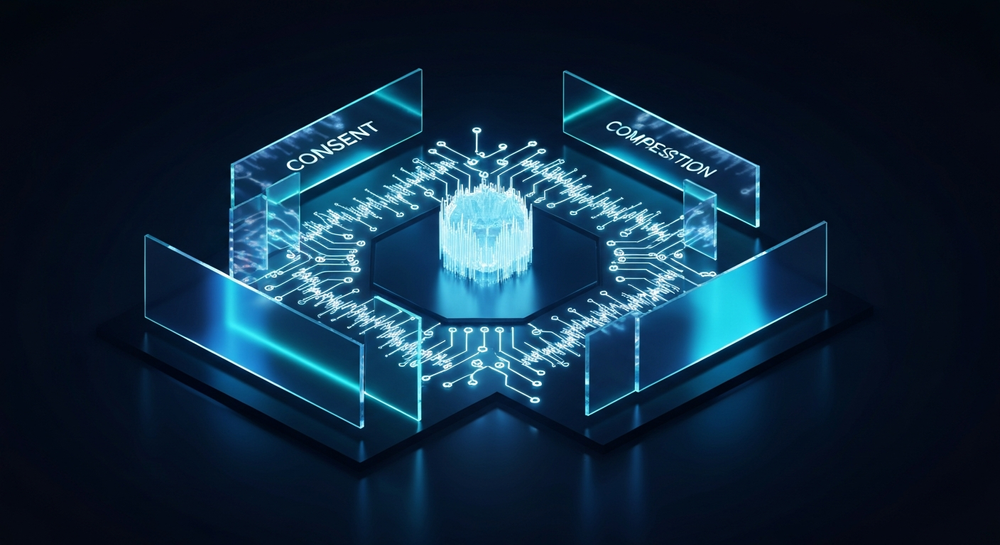
In previous years, several cases of unauthorized voice replication drew attention to the lack of a standardized system for consent and attribution. By 2026, music organizations and AI startups recognize that voice cloning isn’t solely a technological evolution—it’s a societal and cultural shift that requires structured ethical frameworks.
Why ethical voice AI matters more than ever
Modern AI voice cloning systems can mimic tonal expressions, breathing patterns, and emotional inflection. This realism makes cloned music captivating but also blurs boundaries between homage and impersonation. Ethical voice AI practices ensure that artists maintain agency over how their voices or vocal styles are used.

For instance, ethical voice AI emphasizes:
- Informed Consent: Artists approve training use of their voice data.
- Transparency: Systems disclose when output involves cloned voices.
- Fair Compensation: Revenue generated by cloned voice performances must be trackable and distributed fairly.
- Cultural Respect: Preservation of artistic integrity, even in remix or generative forms.
Organizations that pioneered AI music generation discuss these principles across multiple sectors. Articles such as How AI-Generated Music is Transforming the Music Industry highlight how creators need balance between innovation and ethics.
For a deeper dive, watch our guide on creating Deep House music and how to make music using AI tools from the Soundverse Tutorial Series.
What are the major ethical concerns surrounding voice cloning in music?
As AI systems like Soundverse DNA, OpenAI’s Jukebox, and other deep-learning models advance, specific ethical challenges surface:
1. Consent and ownership
Consent frameworks define how AI learns from audio samples. Historically, some technologies scraped music catalogs without authorization, violating performer rights. Today, consent-based models such as Soundverse’s licensed data sourcing prevent this by only training on approved recordings.
2. Attribution and transparency
Without attribution, AI-generated music risks erasing the human source. Listeners cannot distinguish between authentic and synthetic performances unless developers embed traceable watermarks—a practice advocated by responsible cloning platforms.
3. Economic displacement
Voice cloning could unintentionally replace professional vocalists, impacting employment. Therefore, responsible AI systems integrate recurring compensation mechanisms to counterbalance this effect.
4. Cultural and emotional authenticity
Musical expression includes lived experiences. When machines replicate emotional tone, ethical debate arises: can AI convey authenticity, or is it simulation rather than expression? 2026 sees new research exploring hybrid collaborations where artists co-create with AI rather than being replaced.
How the music industry regulates ethical voice AI in 2026
Regulatory frameworks began solidifying globally in 2025. By 2026, several national agencies require disclosure when AI synthesizes voices for commercial tracks. Record labels implement internal audits ensuring contracts cover AI-derived likeness usage.
Industry professionals reference guides like Music Industry Trends to align production workflows with digital ethics policies. AI developers, in turn, integrate safeguard layers across their generation pipelines.
What does a responsible cloning framework look like?
Responsible cloning integrates technology, governance, and monetization. It ensures clear accountability at each stage of creation and distribution. A robust responsible cloning system should combine:
- Data Ethics: All training data must be licensed and traceable.
- Permissioned Architecture: Only authorized contributors feed the system.
- Explainable AI: Transparent models that document inference origins.
- Export Traceability: Watermarked audio validating artist attribution.
- Sustainable Royalties: Automatic distribution through partner compensation programs.
These steps together uphold ethical voice AI, preventing exploitation of artists’ vocal likenesses.
How to uphold consent frameworks in AI music creation
Creating fair consent frameworks requires collaboration between policymakers, developers, and label executives. By 2026, leading research organizations standardize ethical audits via third-party certification. Producers using AI voice generation tools should always verify licensing agreements defining data sources and usage limits.
Frameworks now treat voice as biometric data—akin to fingerprints—requiring protection under privacy laws. Transparent data management and opt-in licensing are the foundation of truly ethical systems.
You can explore related use cases and examples of AI-powered genre creation at How to Create Country Music with Soundverse AI and How to Create Jazz Music with Soundverse AI, showcasing responsible AI application.
For a platform overview, explore our Explore Tab walkthrough to see how Soundverse ensures transparency in creation.
How Soundverse ensures ethical voice AI through The Ethical AI Music Framework
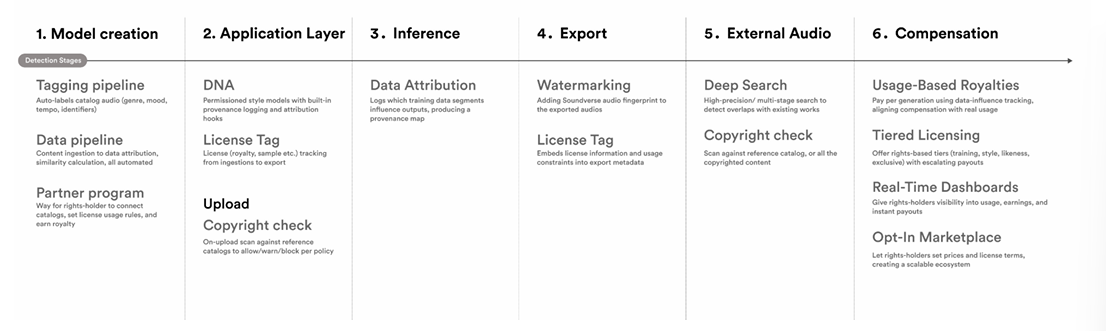
Soundverse leads the ethical transformation through The Ethical AI Music Framework, an end-to-end infrastructure designed to bridge innovation and artist integrity. This transparent system replaces opaque processes with a six-stage pipeline guaranteeing consent, attribution, and recurring compensation.
The six core stages are:
- Stage 1: Licensed Data Sourcing (No Scraping) – Soundverse collects audio only from legally licensed catalogs. No unverified scraping ensures data authenticity.
- Stage 2: Permissioned Models (DNA) – Artist-approved DNA profiles define how AI recognizes voice structures while maintaining rights ownership.
- Stage 3: Explainable Inference (Attribution) – Each output includes metadata describing which artist-approved styles influenced it.
- Stage 4: Traceable Export (Watermarking) – Every file export carries watermarking tied to rights holders for transparent redistribution.
- Stage 5: Deep Search (External Scanning) – Scans global databases to identify unauthorized AI copies or datasets violating contracts.
- Stage 6: Recurring Compensation (Partner Program) – Rights holders participate in royalty cycles tied to content usage detected through attribution.
Together, these capabilities ensure that ethical voice AI remains transparent and artist-centered. Soundverse’s approach resonates with the industry's push for responsible cloning standards, demonstrating the future of fair and creative collaboration.
For developers and label managers exploring alternatives, refer to Mubert Alternatives Soundverse or learn how Soundverse’s attribution system enhances creative trust in Soundverse AI Revolutionizing Music Creation for New Age Content Creators.
What policies must accompany ethical voice cloning frameworks?
Ethical frameworks must work alongside policy implementation. Governments and music associations now advocate:
- Consent Registries: Digital ledgers storing artist permissions for AI usage.
- Disclosure Standards: Mandatory labeling of AI-enhanced recordings.
- Compensation Algorithms: Fair distribution models filtering AI royalty streams.
- Educational Programs: Training artists and producers on voice cloning ethics.
These policies cultivate a transparent cultural economy where human creativity remains central, even as machines assist artistic production.
The future of voice cloning ethics in music
As music generation technology continues evolving, ethical voice AI defines the boundary between passion-driven creativity and potential misuse. Responsible cloning frameworks aim for mutual benefit: empowering innovation while preserving authenticity.
By 2026, practical application of frameworks like Soundverse’s is not optional—it’s a market expectation. The next evolution of ethical AI music will focus on cross-industry interoperability, allowing blockchain-based voice identity validation and universal compensation tracking.
Create Ethically-Driven AI Music with Soundverse
Harness the power of AI while maintaining artistic integrity. Generate, refine, and share music that respects voice ownership and creative ethics with Soundverse's intelligent tools.
Related Articles
- How AI-Generated Music Is Transforming the Music Industry — Explore how artificial intelligence is reshaping production, creativity, and artist collaboration across genres.
- The Role of AI Music in Film and Television — Discover how composers and media producers use AI to create soundtracks that enhance storytelling and emotional impact.
- AI Music Generator and Human Composers: A Future Together — Learn how human creativity and AI collaboration can coexist to develop new forms of musical artistry.
- Copyright-Free vs. Royalty-Free Music: What Creators Should Know — Understand the differences between copyright-free and royalty-free music to protect your creative content.
Here's how to make AI Music with Soundverse
Video Guide
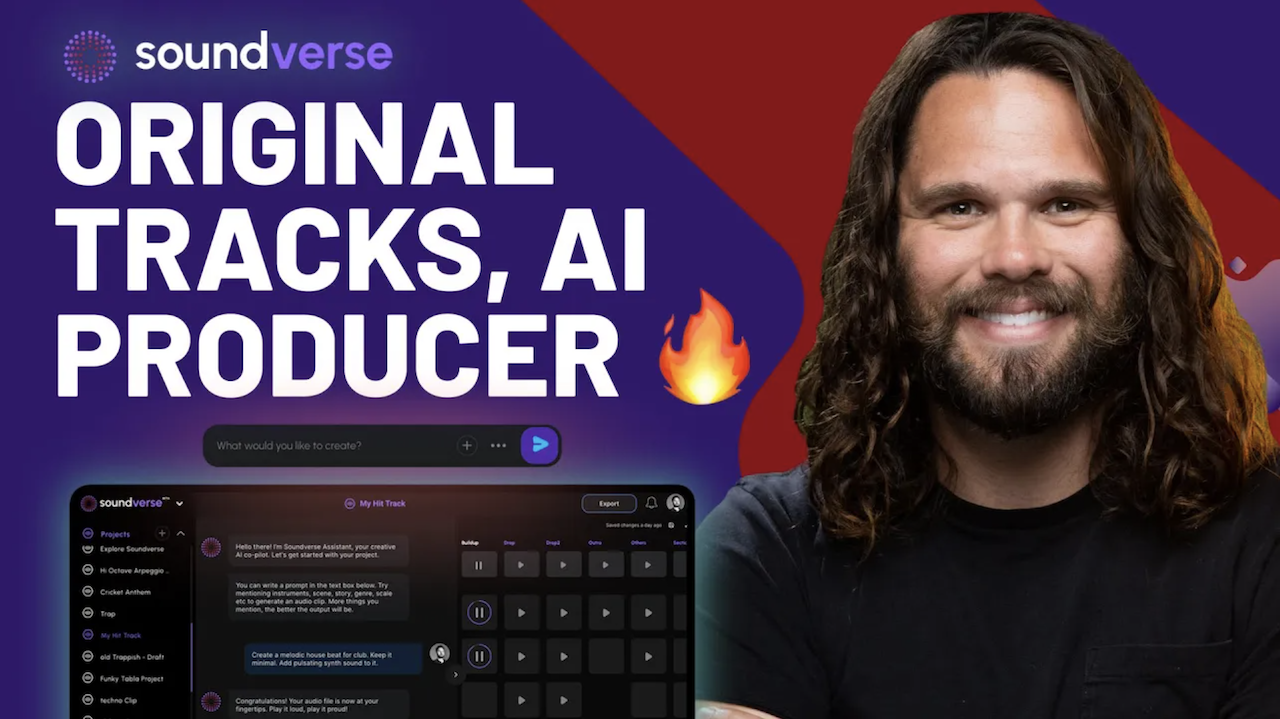
Here’s another long walkthrough of how to use Soundverse AI.
Text Guide
- To know more about AI Magic Tools, check here.
- To know more about Soundverse Assistant, check here.
- To know more about Arrangement Studio, check here.
Soundverse is an AI Assistant that allows content creators and music makers to create original content in a flash using Generative AI. With the help of Soundverse Assistant and AI Magic Tools, our users get an unfair advantage over other creators to create audio and music content quickly, easily and cheaply. Soundverse Assistant is your ultimate music companion. You simply speak to the assistant to get your stuff done. The more you speak to it, the more it starts understanding you and your goals. AI Magic Tools help convert your creative dreams into tangible music and audio. Use AI Magic Tools such as text to music, stem separation, or lyrics generation to realise your content dreams faster. Soundverse is here to take music production to the next level. We're not just a digital audio workstation (DAW) competing with Ableton or Logic, we're building a completely new paradigm of easy and conversational content creation.
TikTok: https://www.tiktok.com/@soundverse.ai
Twitter: https://twitter.com/soundverse_ai
Instagram: https://www.instagram.com/soundverse.ai
LinkedIn: https://www.linkedin.com/company/soundverseai
Youtube: https://www.youtube.com/@SoundverseAI
Facebook: https://www.facebook.com/profile.php?id=100095674445607
Join Soundverse for Free and make Viral AI Music

We are constantly building more product experiences. Keep checking our Blog to stay updated about them!