The Impact of the AI Music Ban on Independent Artists in 2026
Explore how the AI music ban is changing the independent artist economy and streaming in 2026.
The Impact of AI Music Ban on Independent Artists
In 2026, one of the most debated shifts in the music industry has been the introduction of the AI music ban in several regions, reshaping how independent artists, producers, and streaming platforms operate. The conversation around AI-generated music has evolved from fascination to regulation, with governments, labels, and tech companies forced to address ethical, economic, and creative consequences.
What is the AI Music Ban and Why Was It Introduced?
The AI music ban refers to the set of regulations that restrict unlicensed use of artist data, vocals, and compositions in AI training models. These policies emerged after widespread controversies in 2024 and 2025, when generative AI tools produced songs that mimicked artists’ voices and styles without their consent. Independent musicians faced significant challenges as their works were scraped into datasets, often without compensation or attribution. This led to calls from artist communities for a transparent and fair AI framework.
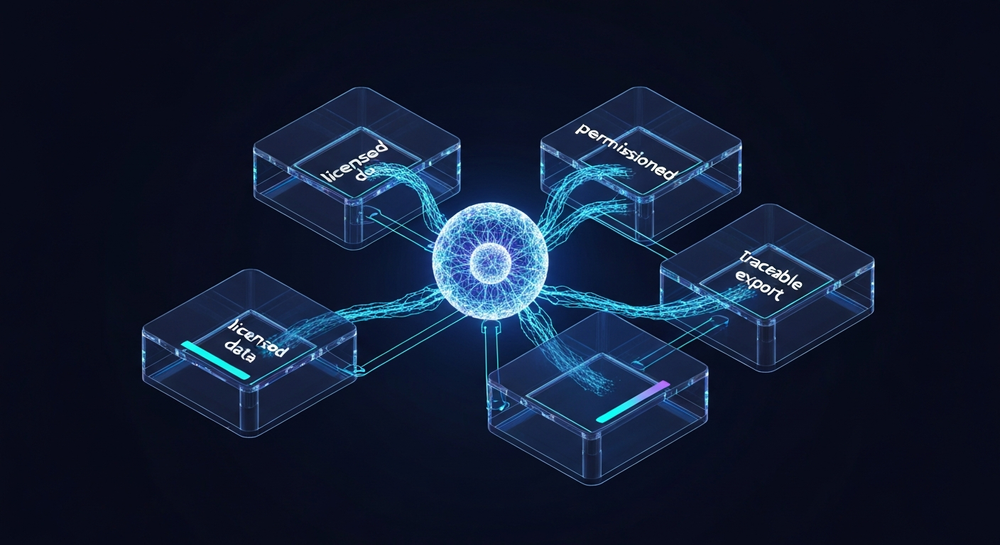
By 2026, the music industry adopted stronger controls to protect human creativity, ensuring that AI models did not undermine the rights of creators. Yet, the ban’s impact remains complex—particularly for small, independent artists who rely heavily on digital tools and streaming platforms. News reports like Saving Country Music’s new AI policy for 2026 and updates from MusicRadar highlight the spread of these restrictions worldwide.
How Has the AI Music Ban Affected Independent Musicians?
The independent musician impact is multifaceted. Initially, the ban seemed beneficial—it protected artist identity, maintained ownership rights, and reduced unauthorized usage of recorded works. However, it also limited access to AI generation tools that had previously helped emerging artists produce high-quality tracks on a budget.
Many independent creators found themselves navigating a more regulated ecosystem where licensing became mandatory. While this improved transparency, it also introduced cost barriers, as smaller musicians had to subscribe to ethically compliant AI platforms or undergo verification processes to ensure their inputs were legal and consent-based.
On the flip side, this shift has encouraged collaborations between independent artists and ethical AI platforms like Soundverse. Such partnerships offer a way to merge human creativity with machine intelligence without violating artistic integrity. Platforms such as Udio and Soundverse demonstrate how ethical partnerships can flourish—see Udio’s 2026 licensing shift for a perspective on creator empowerment. For a deeper look at creative workflows, watch our guide on how to make music or Deep House tutorial on the Soundverse YouTube channel.
What Are the Economic Consequences of the AI Music Ban?
In 2026, the artist economy has evolved under new ethical constraints. Revenue streams have become more focused on consent-based monetization. Independent artists, instead of fearing data theft, can now participate in verified licensing systems that pay royalties when their style or compositions are used to train AI.
Streaming changes have played a major role in this economic adjustment. Platforms are now required to tag AI-generated songs, ensuring transparency between human-made and machine-created music. This regulation fosters fairer visibility for independent music on playlists, helping audiences make informed decisions.
Some artists initially experienced a decline in automated content generation revenues, yet the long-term results have proven more sustainable. The industry is heading toward a model that rewards originality and authenticity rather than algorithmic popularity. Insights from Digital Music News and Complete Music Update detail the progression of this regulated landscape.
Why Is AI-Generated Music Still Controversial?
Even in 2026, the AI-generated music controversy continues. Despite the ban, not all AI content is prohibited—only unlicensed or unethical generation practices are. Ethical AI music remains thriving, especially through frameworks that prioritize consent, attribution, and recurring compensation.
Meanwhile, the debate persists over whether AI systems can ever be fully creative or empathetic. Many argue that while technology can assist, it should never replace human emotion in artistry. Independent musicians have thus become advocates for hybrid creation—using AI as a collaborative tool, not a competitor.
How Has Music Industry Regulation Changed After the Ban?
Music industry regulation now includes standardized licensing, data transparency mandates, and attribution monitoring. Governments in North America, Europe, and parts of Asia have enforced guidelines ensuring every AI output’s origin can be traced. Platforms found using unlicensed datasets risk heavy penalties.
These policies have also influenced how streaming services manage catalog categorization. For example, major DSPs must provide metadata identifying a track’s source—human performance versus AI generation. This helps combat piracy and protect creators from deepfake reproductions.
Further reading on new regulatory shifts is available in Soundverse’s report on music industry trends, exploring how digital compliance reshapes artistic autonomy and global licensing.
How to Make Ethical Music After the AI Music Ban with Soundverse The Ethical AI Music Framework
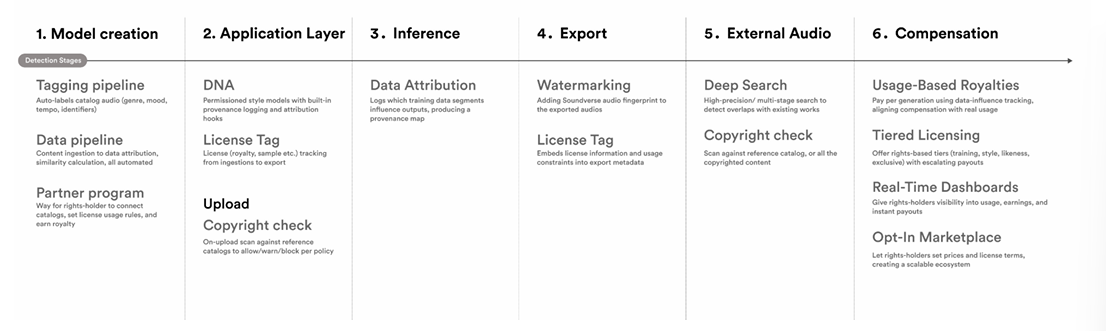
Soundverse has positioned itself as the leading solution to the challenges created by the AI music ban. Through The Ethical AI Music Framework, independent musicians can safely harness AI innovation while retaining full rights over their work.
This comprehensive end-to-end infrastructure bridges the gap between innovation and artist integrity. Unlike previous opaque black-box models, Soundverse introduces a six-stage pipeline to enforce transparency and fairness across every creative interaction.
Stage 1: Licensed Data Sourcing
Soundverse only uses licensed audio datasets and contributions from rights-holders. No scraping, no unverified sampling—just ethical sourcing approved by musicians themselves.
Stage 2: Permissioned Models (DNA)
Powered by Soundverse DNA, artists can train AI models based on their unique sonic identity. It empowers them to monetize their distinct tone or style. Learn more about this process in related guides like generate AI music with Soundverse text-to-music or Soundverse AI revolutionizing music creation.
Stage 3: Explainable Inference (Attribution)
Every AI-generated track through Soundverse comes with full attribution mapping. Independent artists can confirm when and how their contribution influenced the generation.
Stage 4: Traceable Export (Watermarking)
When music is exported, it carries embedded watermarks for transparent auditing. These ensure that every file’s origin remains traceable throughout its lifecycle.
Stage 5: Deep Search (External Scanning)
Soundverse Trace performs deep scanning across external platforms, detecting unauthorized use of artist-specific data. This protects creators from imitation and commercially exploitative reproductions.
Stage 6: Recurring Compensation (Partner Program)
Through the Content Partner Program, artists receive usage-based royalties whenever their licensed sound is employed for AI training or generation. This recurring revenue model represents a sustainable alternative to exposure-based monetization.
Collectively, this framework establishes an ethically compliant ecosystem—ensuring AI never operates in isolation from human value.
How Independent Artists Can Adapt to 2026’s AI Music Landscape
- Engage with Ethical AI platforms: Independent musicians should seek partnerships with licensed AI frameworks that prioritize artist rights. This allows them to use AI creatively without losing control or ownership.
- Diversify revenue streams: With streaming changes and tighter regulations, musicians must explore new forms of monetization such as direct licensing or royalty-based models.
- Stay informed on policy updates: Legal adjustments continue across regions. Regular learning helps creators maintain compliance and strategic advantage.
- Experiment responsibly: Use AI to expand creative boundaries rather than replicate existing human work. Following ethical standards ensures long-term acceptance of technological collaboration.
What Does the Future Hold for Independent Music in a Post-Ban Era?
Despite initial turbulence, the AI music ban might be the turning point that builds a stronger foundation for the artist economy. The market in 2026 favors creators who understand both the ethical and technological dimensions of production. Instead of relying solely on synthetic tools, artists are reclaiming ownership and becoming active participants in AI development cycles.
Forward-looking projects, such as the Soundverse Assistant, establish models for AI-human co-production, showing that technology can amplify creativity while maintaining respect for artistic originality.
Independent musicians, though challenged by stricter compliance, now have more transparent options for collaboration, licensing, and distribution. With frameworks like Soundverse, the purpose of an AI musician is no longer controversial—it’s becoming ethical, traceable, and artist-led.
Create Music Freely Without Limits
Empower your artistry beyond the impact of the AI music ban. With Soundverse, you can generate, customize, and share your music—no restrictions, just pure creativity.
Start Creating with Soundverse
Related Articles
- How AI-Generated Music Is Transforming the Music Industry: Discover how AI is redefining creativity across genres and changing how artists produce and distribute music.
- AI Music in the USA: Explore how AI music regulations and innovations are shaping the American music ecosystem.
- AI Music Generator and Human Composers: A Future Together: Learn how human creativity and AI composition can coexist harmoniously to create new musical possibilities.
- Copyright-Free vs Royalty-Free Music: What Creators Should Know: Understand the difference between copyright-free and royalty-free music to protect and monetize your art effectively.
Here's how to make AI Music with Soundverse
Video Guide
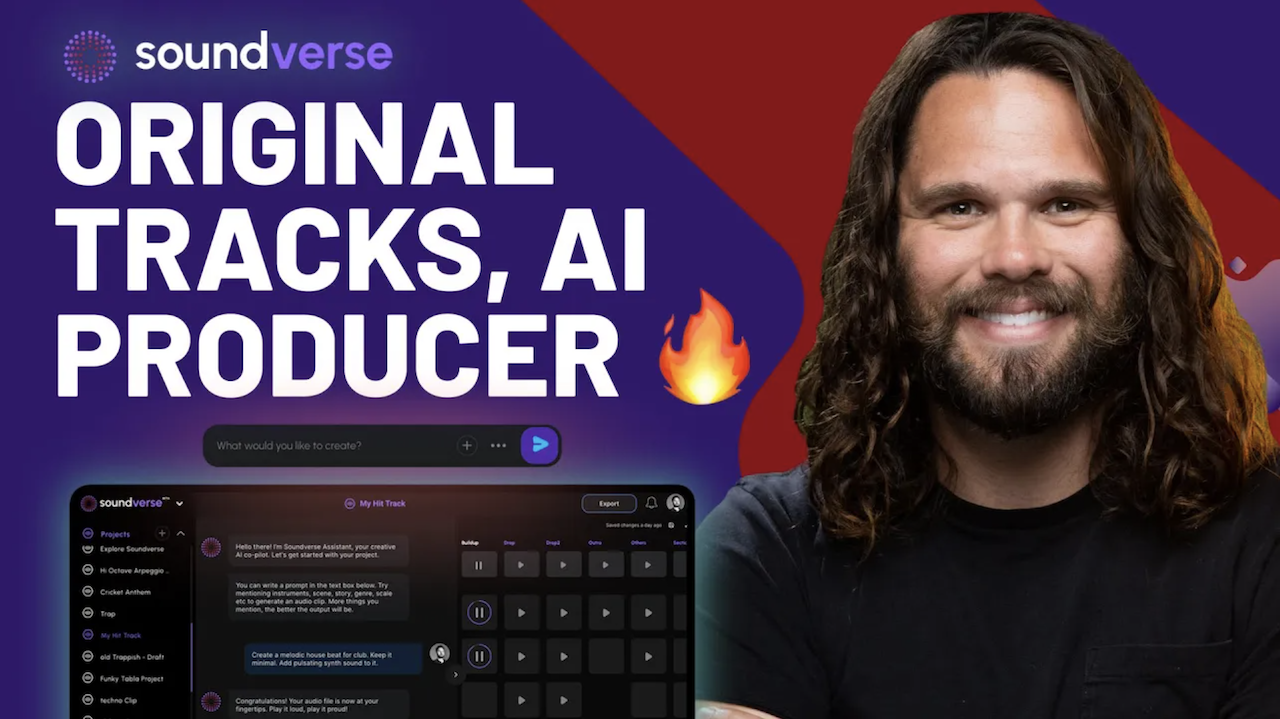
Here’s another long walkthrough of how to use Soundverse AI.
Text Guide
- To know more about AI Magic Tools, check here.
- To know more about Soundverse Assistant, check here.
- To know more about Arrangement Studio, check here.
Soundverse is an AI Assistant that allows content creators and music makers to create original content in a flash using Generative AI.
With the help of Soundverse Assistant and AI Magic Tools, our users get an unfair advantage over other creators to create audio and music content quickly, easily and cheaply.
Soundverse Assistant is your ultimate music companion. You simply speak to the assistant to get your stuff done. The more you speak to it, the more it starts understanding you and your goals.
AI Magic Tools help convert your creative dreams into tangible music and audio. Use AI Magic Tools such as text to music, stem separation, or lyrics generation to realise your content dreams faster.
Soundverse is here to take music production to the next level. We're not just a digital audio workstation (DAW) competing with Ableton or Logic, we're building a completely new paradigm of easy and conversational content creation.
TikTok: https://www.tiktok.com/@soundverse.ai Twitter: https://twitter.com/soundverse_ai Instagram: https://www.instagram.com/soundverse.ai LinkedIn: https://www.linkedin.com/company/soundverseai Youtube: https://www.youtube.com/@SoundverseAI Facebook: https://www.facebook.com/profile.php?id=100095674445607
Join Soundverse for Free and make Viral AI Music

We are constantly building more product experiences. Keep checking our Blog to stay updated about them!