AI Retail Music Programming: Transforming Store Playlists in 2026
Discover how AI retail music programming shapes store playlists and retail audio strategies in 2026.
Retail Store Music Programming With AI
Introduction
In 2026, the retail landscape continues its digital transformation, and one of the most exciting changes is happening in how stores use music. From boutique clothing outlets to large supermarkets, retailers are realizing that an intentional, data-driven retail audio strategy can drastically influence shopper mood, dwell time, and even purchase behavior. Enter AI retail music programming — the modern solution for optimizing in-store music experiences through artificial intelligence.
Gone are the days when managers shuffled through generic playlists or depended solely on subscription-based background music services. With AI now capable of generating custom instrumental soundscapes tailored to brand identity and customer demographics, music programming is becoming an essential part of a store’s sensory branding.
This blog explores what AI retail music programming means, why it matters in 2026, and how businesses can leverage tools like the Soundverse AI Music Generator to automate and refine their in-store music experiences.
What is AI Retail Music Programming?
AI retail music programming refers to the use of artificial intelligence systems to design, schedule, and generate music that aligns with specific retail goals. Rather than relying on static playlists, AI-driven music engines analyze factors such as brand positioning, time of day, customer demographics, and even seasonal preferences to continuously evolve the store playlist.
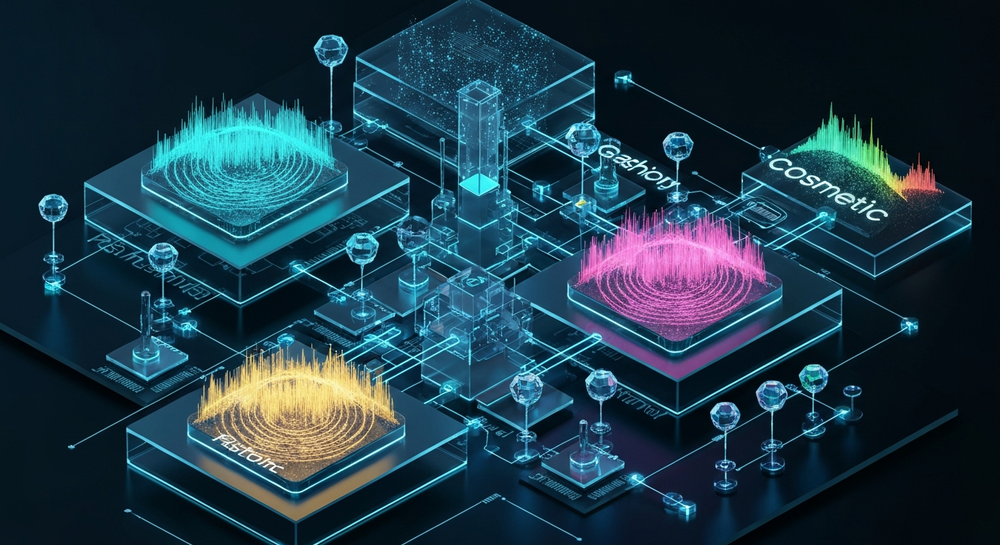
Stores adopting AI-based programming benefit from:
- Dynamic adaptability: The playlist automatically adjusts to match the store’s flow of visitors, product releases, or holidays.
- Cost efficiency: By generating original music, businesses eliminate costly licensing requirements.
- Identity consistency: With AI control, background scores remain aligned with the store’s visual and emotional branding.
The goal isn’t to replace human curation but to enhance it with scalable intelligence. For example, a fashion boutique could prompt the AI to create upbeat house-inspired tunes in the morning and switch to ambient lo-fi during evening hours.
Why is AI Retail Music Programming Essential in 2026?
In 2026, retail competition is at an all-time high. Consumer expectations for immersive shopping environments continue to rise, and music is a key differentiator. Studies from the past few years have demonstrated that music tempo, key, and genre directly influence shopping pace and customer satisfaction.

Here’s why AI retail music programming stands out this year:
- Hyper-personalization – AI can generate custom instrumental tracks for different retail zones. For example, a cosmetics section could have relaxing spa-style soundscapes while a footwear area maintains dynamic pop rhythms.
- Regulatory compliance – Many stores in 2026 are opting for AI-generated or royalty-free compositions to avoid copyright issues. AI-generated music ensures originality without licensing stress.
- Operational efficiency – Retail teams have less time to manually manage playlists. AI automates this, learning what works best and refining output over time.
- Emotional branding – Music is emotional. A consistent soundtrack enhances brand recall, making the shopping experience memorable.
For businesses still exploring the foundational ideas of AI music, check out resources like How AI-Generated Music Is Transforming the Music Industry and AI Music in the USA for a broader look at the technology’s global influence.
How Do Retailers Build an Effective Store Playlist with AI?
A store playlist in 2026 isn’t just a shuffled list of songs; it’s a strategic tool calibrated for engagement. Here’s what a modern AI-powered retail playlist strategy involves:
- Defining the brand identity – Before prompting any AI, managers must define the atmosphere the brand wants to evoke — calm, energetic, elegant, or nostalgic.
- Selecting the right mood and genre – Using prompt-based tools, retailers describe the intended emotion or sound family, like “uplifting electronic with organic textures” or “modern jazz with a cozy tone.”
- Scheduling based on store flow – AI can create music suited for specific time slots. Morning playlists might use bright tones, while evening soundtracks lean toward warmer, slower melodies.
- Analyzing shopper feedback – Many brands use analytics software to measure dwell time or emotional response. The AI adapts based on those insights.
- Loopable soundscapes for seamless immersion – Instead of hard track transitions, loopable AI-generated audio ensures a continuous sound environment.
For inspiration on creating specific genres, browse guides like How to Create Jazz Music with Soundverse AI or How to Create EDM with Soundverse AI. For a deeper dive, watch our guide on creating Deep House music and learn how to generate immersive retail beats using AI.
What Factors Should Retailers Consider When Building Their Retail Audio Strategy?
A retail audio strategy involves balancing technology, creativity, and data insights. Here are a few essential considerations:
- Target Audience: The demographics and psychographics of your shoppers determine ideal genres and tempos.
- Store Layout: Larger stores may benefit from zone-based playlists generated for each section.
- Brand Narrative: Are you a high-energy sports brand or a minimalist home décor company? The music should communicate that narrative without confusion.
- Sound Continuity: Music should not distract; it must enhance the shopping atmosphere. Loop-ready instrumentals ensure seamless transitions.
- Performance Monitoring: Track how shoppers respond to different audio themes using sales or footfall patterns.
By unifying these factors with AI, modern retailers can fine-tune their ambiance as precisely as their visual merchandising.
How to Make AI Retail Music Programming Easy with Soundverse AI Music Generator
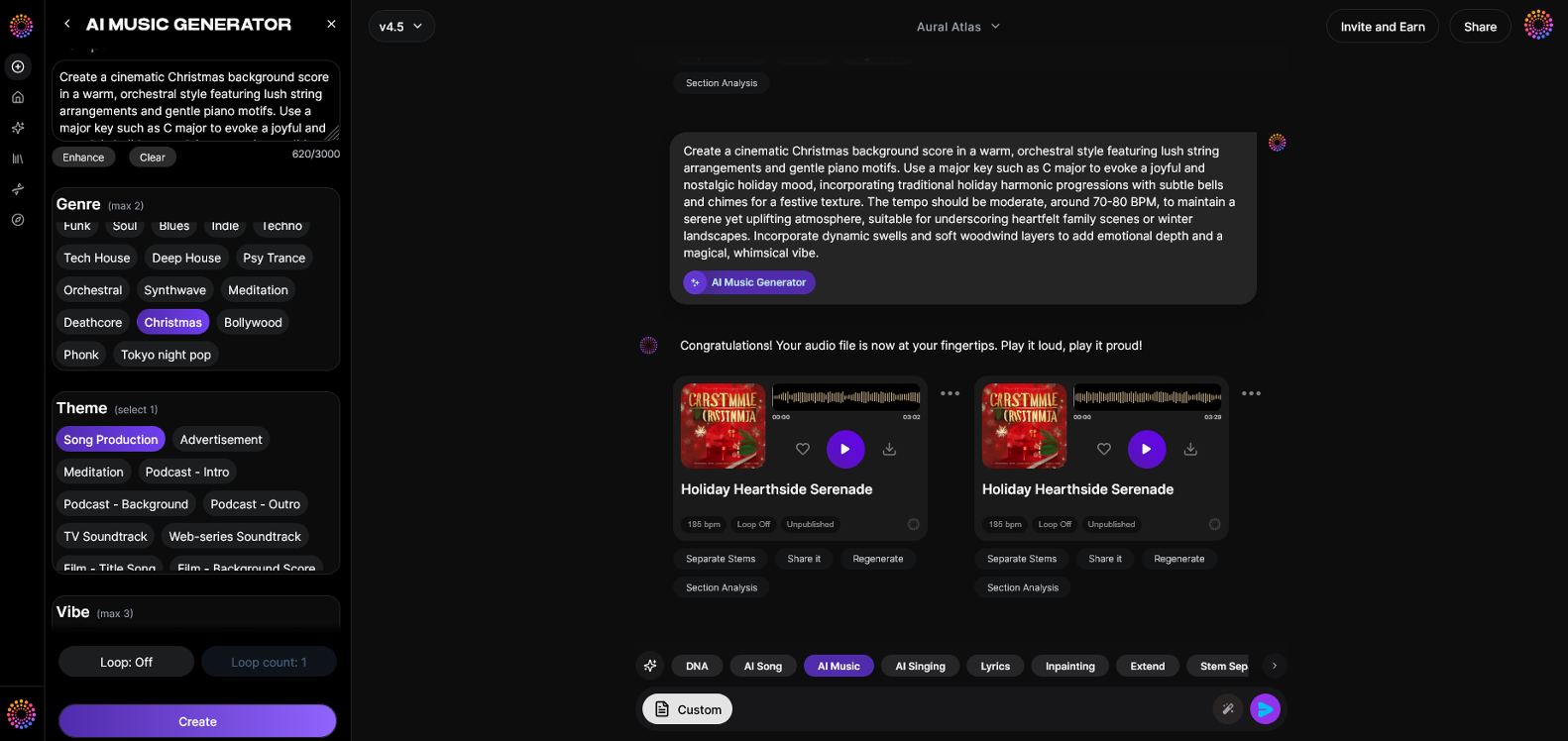
Soundverse has become one of the leading platforms for AI-generated music in 2026, offering intuitive interfaces for retail music creators, marketers, and brand managers. The AI Music Generator feature specializes in producing instrumental background music perfectly suited for retail contexts — elegant, rhythmic, and loopable.
Feature Overview: The Soundverse AI Music Generator creates fully produced instrumental tracks from text prompts, enabling complete control over genre, mood, and instrumentation. It supports seamless looping (via Loop Mode), ensuring that the soundscape runs smoothly without abrupt transitions.
Core Capabilities:
- Text-to-Music: Type a description like “warm ambient soundscape for afternoon shoppers,” and the AI generates the perfect musical setting.
- Loop Mode: Enables continuous playback for in-store use.
- Detailed Control: Fine-tune genre, mood, and instrument choices for brand consistency.
- Model Options (V4 and V5): Select the preferred model for tonal character and complexity.
Primary Use Cases: Background music for retail spaces, in-store advertisements, sensory branding, or even display soundscapes.
Businesses already using Soundverse have found it revolutionizes music production for brand storytelling. For a deeper understanding of the technology’s creative range, visit Generate AI Music with Soundverse Text to Music or Soundverse AI Revolutionizing Music Creation for New-Age Content Creators. Watch our tutorial on the “Explore” Tab to learn how creators discover sound types efficiently.
How Soundverse Integrates Into Retail Operations
Retailers can integrate music generation into broader operational systems using the Soundverse API, an enterprise-grade solution that connects directly with store scheduling software or digital signage. This allows multi-branch retailers to unify their in-store sound across regions while letting each branch maintain a localized feel.
Additionally, for brand campaigns where a particular ambiance must match a video or environment, tools like the Similar Music Generator can recreate the essence of a director-approved reference track while still being fully original and royalty-free — an ideal solution for advertising sound consistency.
Transform Your Store’s Atmosphere with AI-Powered Music
Create perfectly curated playlists that match your brand identity and customer mood in real-time. Let Soundverse’s AI retail music programming technology design your store’s soundtrack effortlessly.
- How AI-Generated Music Is Transforming the Music Industry — Discover how artificial intelligence is reshaping the way music is created, distributed, and consumed worldwide.
- The Role of AI Music in Film and Television — Learn how filmmakers and content producers are leveraging AI to score films, TV shows, and digital media projects.
- Navigating the World of Royalty-Free and Copyright-Free Music Using Soundverse AI — Understand the difference between royalty-free and copyright-free music and how Soundverse can help you find the right tracks instantly.
- AI Music Generator and Human Composers: A Future Together — Explore how AI-powered music tools are complementing human creativity rather than replacing it.
Here's how to make AI Music with Soundverse
Video Guide
Here’s another long walkthrough of how to use Soundverse AI.
Text Guide
- To know more about AI Magic Tools, check here.
- To know more about Soundverse Assistant, check here.
- To know more about Arrangement Studio, check here.
Soundverse is an AI Assistant that allows content creators and music makers to create original content in a flash using Generative AI.
With the help of Soundverse Assistant and AI Magic Tools, our users get an unfair advantage over other creators to create audio and music content quickly, easily and cheaply.
Soundverse Assistant is your ultimate music companion. You simply speak to the assistant to get your stuff done. The more you speak to it, the more it starts understanding you and your goals.
AI Magic Tools help convert your creative dreams into tangible music and audio. Use AI Magic Tools such as text to music, stem separation, or lyrics generation to realise your content dreams faster.
Soundverse is here to take music production to the next level. We're not just a digital audio workstation (DAW) competing with Ableton or Logic, we're building a completely new paradigm of easy and conversational content creation. TikTok: https://www.tiktok.com/@soundverse.ai Twitter: https://twitter.com/soundverse_ai Instagram: https://www.instagram.com/soundverse.ai LinkedIn: https://www.linkedin.com/company/soundverseai Youtube: https://www.youtube.com/@SoundverseAI Facebook: https://www.facebook.com/profile.php?id=100095674445607
Join Soundverse for Free and make Viral AI Music

We are constantly building more product experiences. Keep checking our Blog to stay updated about them!