Is 'Sad' a Genre of Music?
Explore whether 'sad' qualifies as a music genre in 2026. Learn about emotional and mood-based styles, melancholic songs, and AI creation with Soundverse.
Is 'Sad' a Genre of Music?
Music has always been humanity’s deepest emotional language — a way to translate feelings into sound. In 2026, as genre boundaries continue to blur and mood playlists dominate streaming platforms, one question keeps emerging among listeners and researchers: Is 'sad' a genre of music? The phrase 'sad music genre' appears often in search trends, playlists, and discussions, yet its classification remains debated among music theorists and creators alike.
What defines a music genre in 2026?
A music genre traditionally refers to a distinct style characterized by specific rhythmic patterns, instrumentation, and cultural context – like pop, jazz, or hip-hop. But with evolving technologies and mood-driven listening habits, genres have become fluid. Platforms now categorize songs not just by musical elements but by how they feel: happy, relaxed, emotional, or sad. In 2026, this shift toward mood-based music genres reflects how listeners interact with music emotionally rather than structurally.
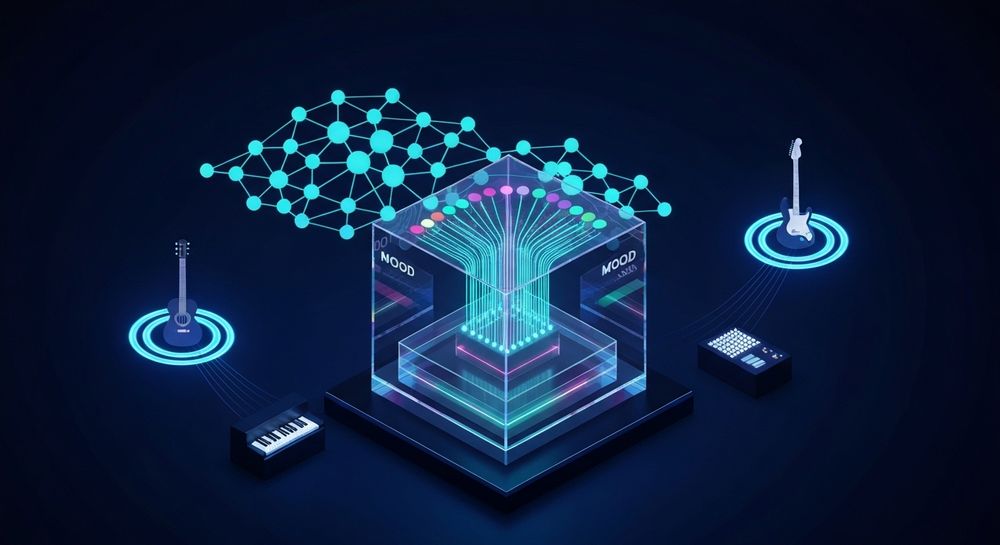
Can emotional states form genres like 'sad music'?
Emotion, once considered an artistic interpretation, is now a measurable component in the music industry. AI-assisted composition and streaming algorithms analyze tempo, key, lyrical sentiment, and production tone to label tracks as 'sad', 'melancholic', or 'uplifting'. Therefore, while 'sad' might not be a technical genre like rock or jazz, it functions as a listener-defined category based on emotional impact.
For instance, the term sad music genre refers to compositions expressing grief, longing, or emotional depth. They often use minor keys, slow tempos, and sparse arrangements. This music can appear in many formal genres: indie, classical, lo-fi, or even pop ballads. What unites them is the emotional mood — not instrumentation.
What do melancholic songs sound like?
Melancholic songs are not merely depressing; they often evoke beauty through sorrow. Sound characteristics typically include:
- Minor scales and soft dynamics: These create emotional tension and vulnerability.
- Slow tempos: Allow reflection and emotional resonance.
- Ambient textures: Used heavily in cinematic or wellness music.
- Simple melodic lines: Often introspective, mirroring inner thoughts.
This style has been popular since the early 2020s and continues in 2026 as listeners seek authenticity and relatability in music. Artists crafting melancholic songs fuse human emotion with digital production tools to produce immersive experiences that comfort or validate the listener’s mood.
Why are 'sad songs' so popular in 2026?
Several cultural and technological trends explain the ongoing fascination with sad songs:
1. The rise of emotional music styles
Streaming services now offer entire mood categories. Playlists like 'late-night thoughts' or 'rainy day reflection' symbolize the movement away from genre boundaries into emotion-first listening. The sad music genre gains traction here because it complements mindfulness practices and introspection. As studies such as Analysis and Classification of Music-Induced States of Sadness suggest, listeners respond deeply to melancholic experiences through identifiable sound markers.
2. AI-driven tagging and customization
With platforms integrating AI that interprets musical emotions, songs can be categorized dynamically. A track composed through Soundverse or other AI systems can specify sadness or melancholy as part of its generation prompt. This level of control enables producers and creators to sculpt emotional tone intentionally rather than by trial. You can also explore how this trend is reshaping creation in The End of Genre: How Mood-Based Playlists Rule 2026 Music.
3. Mental health and cultural acceptance
Post-2024, there’s greater openness around mental health. People aren’t shying away from depressive themes — they explore them through art and music to cope and connect. The ‘sad’ label thus becomes a creative expression, not a stigma. This transformation parallels emerging subgenres like sadcore, which mix emotional lyrics and distinctive production styles.
Is ‘sad’ formally acknowledged as a genre by industry standards?
From a scholarly perspective, 'sad' is not formally recognized as a standalone music genre like blues or EDM. However, major streaming services and composition platforms treat it as a functional subcategory within mood-driven classification systems. It sits beside other emotional or environment-driven categories — chill, romantic, energetic, meditative, and cinematic.
In essence, ‘sad’ music crosses genre lines to express an emotional spectrum. The sad music genre is a descriptor of feeling, not form.
Examples of mood-based music genres
To understand where 'sad' fits within today’s landscape, it helps to compare it with other mood-based styles popular in 2026:
- Relaxing Ambient: Used for meditation and sleep content.
- Romantic Ballads: Centered on love and tenderness.
- Epic Motivation: Cinematic sound for motivation or trailers.
- Sad or Melancholic: Reflective music with emotive depth.
- Dark Synth: Brooding electronic sounds often found in film scores.
For more insight into modern classifications and how AI reshapes them, see AI music in the USA and how AI-generated music is transforming the music industry. A detailed analysis of this trend can also be found in Ultimate Guide - Best AI Sad Song Generator 2026.
How technology changed emotional composition
Since 2025, AI tools have revolutionized how we create expressive compositions. Text-to-music systems like Soundverse’s generator allow users to describe an emotional vibe — such as “slow piano background evoking loneliness” — and produce cohesive, high-quality instrumental tracks instantly. This workflow democratized the emotional music process, enabling more creators to experiment with depressing music or melancholic soundscapes without formal production skills.
Furthermore, AI’s interpretive algorithms identify frequency ranges, chord types, and progression intervals linked to sadness. This data-driven approach ensures that emotional music styles are reproducible and customizable.
For instance, creators making film or game soundtracks rely heavily on mood precision. A single scene can shift from hopeful to despairing with subtle tempo or harmonic changes. Tools like Soundverse empower this nuance across visual media. For additional demonstrations, watch our Soundverse Tutorial Series - 9. How to Make Music and explore the “Explore” Tab tutorial for inspiration.
How to make sad music genre compositions with Soundverse AI Music Generator
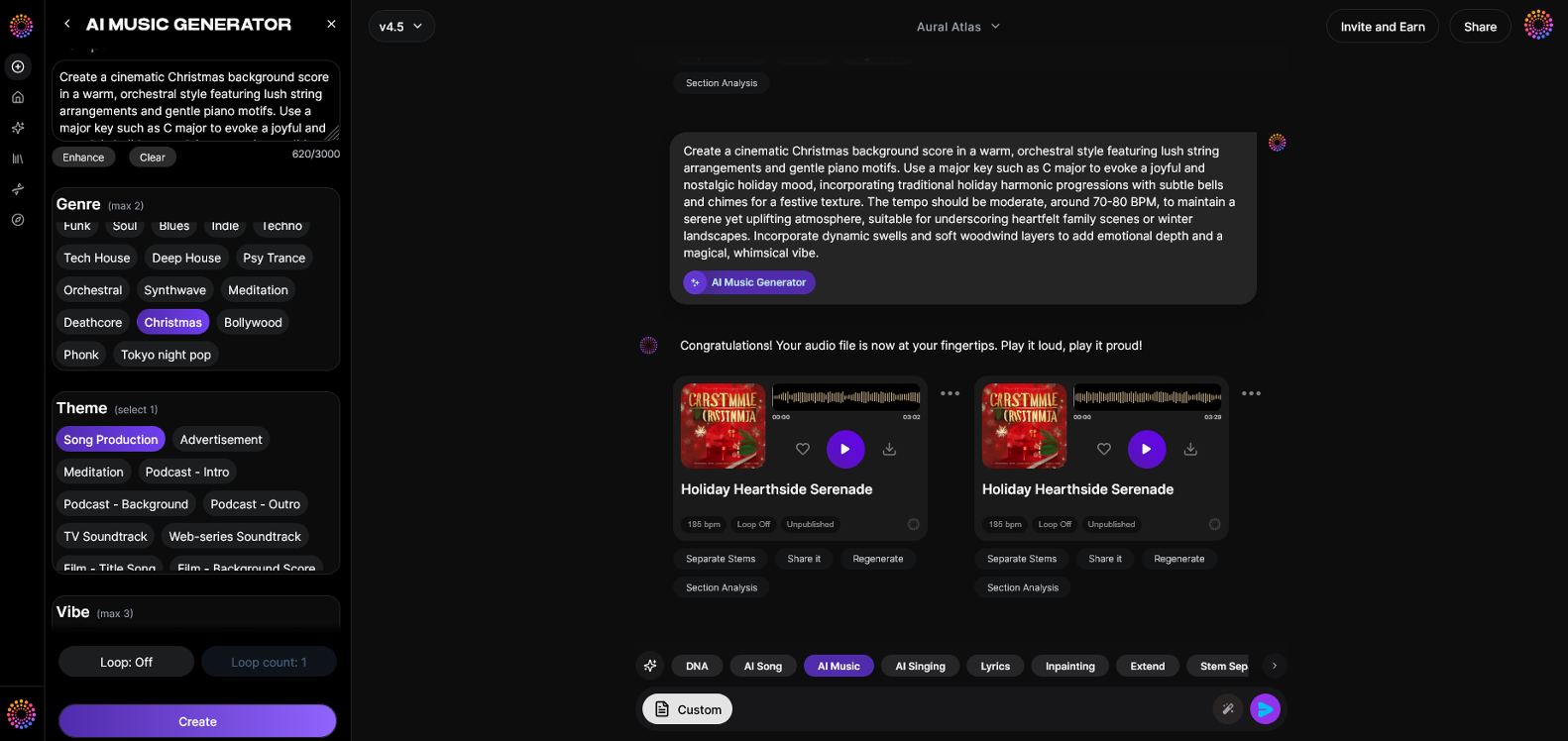
Now that you understand what the sad music genre means and how it fits into emotional classification, here’s how Soundverse lets you bring it to life.
Soundverse’s AI Music Generator lets users create fully produced instrumental compositions directly from a textual description. You can define mood, genre, and instrumentation precisely — such as “melancholic piano under soft rain sounds” or “ambient guitar expressing loneliness.” The system then produces seamless loops or background tracks ideal for videos, games, meditative sessions, and advertising.
Key capabilities include:
- Text-to-music generation: Enter any emotional description to produce instrumental music without vocals.
- Loop Mode: Generate infinite repetition for meditation or interactive experiences.
- Detailed control: Choose specific genre, mood, or instruments.
- V4 and V5 model options: Advanced sound engines ensuring richer soundscapes.
Primary use cases:
- Background music for emotional scenes or documentaries.
- Game soundtracks emphasizing melancholic atmospheres.
- Wellness and reflection sessions.
- Advertising narratives requiring subtle emotion.
To begin, simply visit the Soundverse AI Music Generator interface, input your prompt, and select your mood. Within minutes, you’ll have a fully mixed instrumental aligned with the emotional tone you envisioned.
If you wish to integrate lyrical content, Soundverse also offers an AI Song Generator to create full compositions with vocals. Complement that with the AI Lyrics Writer to script expressive poetry that matches your chosen emotional mood — perfect for crafting modern sad or reflective songs.
You can explore similar guidance in related blogs such as How to Create Healing Meditation Music with Soundverse AI, How AI Music Generator Inspires Creative Fusion, and Generate AI Music with Soundverse Text-to-Music. For a richer context on evolving AI trends, watch Soundverse Tutorial Series - 10. Make Deep House Music.
Create Emotionally-Powered Music with Soundverse AI
Transform your feelings into sound with AI-driven tools designed to generate music that captures any emotion, from sadness to serenity. Start creating in minutes and bring your emotional vision to life.
Related Articles
- Most Popular Music Genres — Explore the landscape of music genres and discover how emotional themes like sadness fit into today’s sonic world.
- Generate AI Music with Soundverse Text-to-Music — Learn how to convert your words and emotions into custom music instantly using Soundverse’s text-to-music technology.
- How to Create Healing Meditation Music with Soundverse AI — Discover how AI can help you compose calming, emotionally resonant meditation tracks that evoke feelings of peace and reflection.
- How an AI Music Generator Inspires Creative Fusion — Uncover how AI-powered creativity blends human emotion and technology to craft music that transcends genres.
Here's how to make AI Music with Soundverse
Video Guide

Here’s another long walkthrough of how to use Soundverse AI.
Text Guide
- To know more about AI Magic Tools, check here.
- To know more about Soundverse Assistant, check here.
- To know more about Arrangement Studio, check here.
Soundverse is an AI Assistant that allows content creators and music makers to create original content in a flash using Generative AI. With the help of Soundverse Assistant and AI Magic Tools, our users get an unfair advantage over other creators to create audio and music content quickly, easily and cheaply. Soundverse Assistant is your ultimate music companion. You simply speak to the assistant to get your stuff done. The more you speak to it, the more it starts understanding you and your goals. AI Magic Tools help convert your creative dreams into tangible music and audio. Use AI Magic Tools such as text to music, stem separation, or lyrics generation to realise your content dreams faster. Soundverse is here to take music production to the next level. We're not just a digital audio workstation (DAW) competing with Ableton or Logic, we're building a completely new paradigm of easy and conversational content creation.
TikTok: https://www.tiktok.com/@soundverse.ai
Twitter: https://twitter.com/soundverse_ai
Instagram: https://www.instagram.com/soundverse.ai
LinkedIn: https://www.linkedin.com/company/soundverseai
Youtube: https://www.youtube.com/@SoundverseAI
Facebook: https://www.facebook.com/profile.php?id=100095674445607
Join Soundverse for Free and make Viral AI Music

We are constantly building more product experiences. Keep checking our Blog to stay updated about them!