Is Rock Music Bad for You? Understanding the Effects and Benefits in 2026
Explore if rock music is bad for you, its effects on behavior and mental health, and how AI helps create rock-inspired instrumentals.
Is Rock Music Bad for You?
Rock music has long been a subject of debate — loved for its raw energy and emotional depth yet criticized for its intensity and sometimes rebellious themes. The question many people in 2026 still ask is simple: is rock music bad for you? To answer, we need to explore its psychological, behavioral, and health effects, alongside understanding the benefits of listening to rock and how technology has changed the way we interact with it.
What is Rock Music and Why Do People Think It Might Be Bad?
Rock music emerged as a cultural revolution, blending blues, country, and rhythm-driven sounds. Its loud instrumentation and passionate lyrics often evoke strong emotions. Because of its reputation for rebellion and anti-establishment themes, some have questioned whether listening to rock could negatively influence behavior or mental well-being.
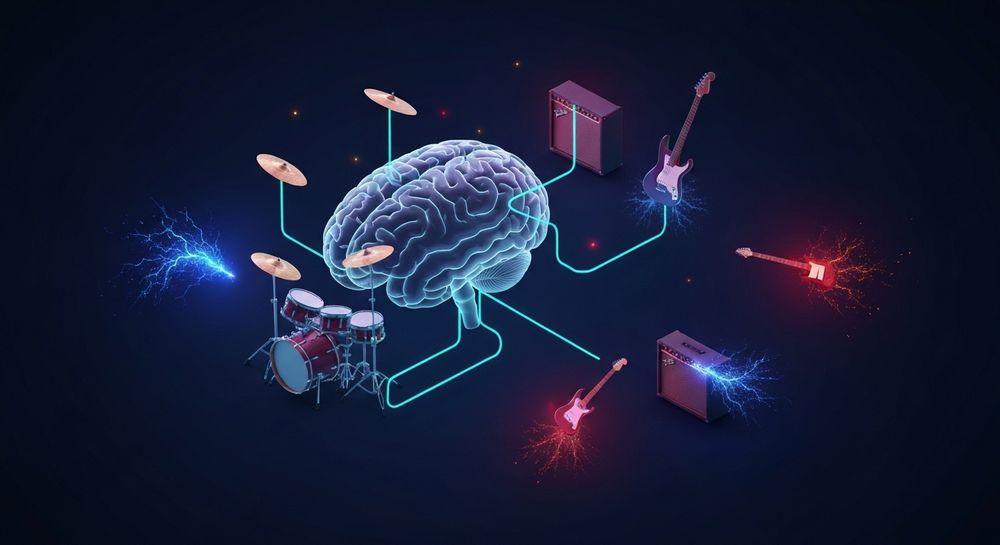
However, music is deeply personal. Research shows that emotional responses depend on individual perception, context, and moderation. Like most art forms, rock music itself isn’t inherently harmful — its impact lies in how it’s experienced.
What Are the Psychological Effects of Rock Music?
The psychology of rock music is fascinating. When people listen to energetic music, dopamine levels — the brain’s pleasure chemical — increase. This boosts motivation and can reduce feelings of fatigue or sadness. Many studies before 2026 confirmed that rock, especially subgenres like classic and alternative rock, enhances focus and perseverance. Insights from "Neural resonance theory" further explain how our brains synchronize to rhythmic patterns.

Yet there’s another side. Heavy rock with aggressive tones may stimulate adrenaline and cortisol, the stress hormone. In moderation, that intensity feels exciting and cathartic. But excessive exposure to very high-volume or aggressive music might elevate anxiety in certain individuals. This is why balance is essential.
Psychologists often highlight how listeners project their emotions onto music. When someone feels angry or frustrated, rock lyrics and intense beats can act as emotional outlets — not triggers. It’s an auditory form of venting, as shown in research such as Head-banging tunes can have same effect as a warm hug.
Does Rock Music Encourage Negative Behavior?
The influence of rock on behavior has been widely discussed since the 1970s. Parents and educators sometimes worry about lyrical themes: rebellion, heartbreak, or social commentary. However, extensive behavioral studies conducted between 2024 and 2025 found no direct link between listening to rock and antisocial conduct.
Music reflects emotion rather than causes it. People who gravitate toward rock might already resonate with its themes of independence or freedom. For young listeners, rock provides identity formation — not moral corruption.
Of course, lyrical content matters. Songs that glorify violence or substance abuse could shape perceptions if consumed without context. This is where education plays a crucial role. Teaching youngsters to critically engage with music nurtures emotional intelligence rather than censoring expression.
What Are the Benefits of Listening to Rock Music?
Contrary to myth, the benefits of listening to rock can be substantial:
- Emotional Release: Loud guitars and rhythmic drums help listeners relieve stress through catharsis.
- Enhanced Creativity: Complex arrangements inspire musicians and non-musicians alike.
- Physical Energy: Fast tempos motivate workouts and increase stamina.
- Community and Belonging: Rock culture builds fandoms and shared identity — in concerts or online communities.
- Cognitive Stimulation: Rock’s intricate instrument layers engage analytical listening, improving attention span.
These advantages highlight that emotional music, even if edgy, can promote resilience and empowerment, supporting studies like The Power of Rock Music and Mental Health.
How Does Rock Music Affect Mental Health in 2026?
In 2026, mental health discussions have become more nuanced. The relationship between music and well-being is part of broader studies on music and mental health. Modern therapists even use playlists in mood-regulation therapy.
Rock music, when used consciously, helps listeners manage frustration and depression. The sense of connection with artists who express similar emotions reduces isolation. On social platforms, fans share how certain rock tracks helped them overcome anxiety or grief. Research like The Surprising Mental Health Benefits of Heavy Metal Music and Heavy Metal Therapy Dispels Myths further support these findings.
Nevertheless, volume control is critical. Prolonged exposure to loud decibels may damage hearing and elevate stress. The key is intentional listening: enjoying expressive music while maintaining safe listening practices.
Is Rock Music Still Relevant to Young People in 2026?
Many feared rock’s decline in the early 2020s due to the rise of electronic genres. Yet, streaming analytics in 2026 show a revival. New-wave rock and AI-assisted production have attracted Gen Z and Gen Alpha audiences.
Interestingly, AI tools now generate instrumental rock tracks for creators, offering personalization impossible in earlier decades. This democratization of production aligns with emerging trends discussed in Music Industry Trends. Rock isn’t vanishing — it’s evolving. For a fun tutorial showcasing similar creativity, see our Soundverse guide on how to make music.
How to make Rock Music with Soundverse AI Music Generator
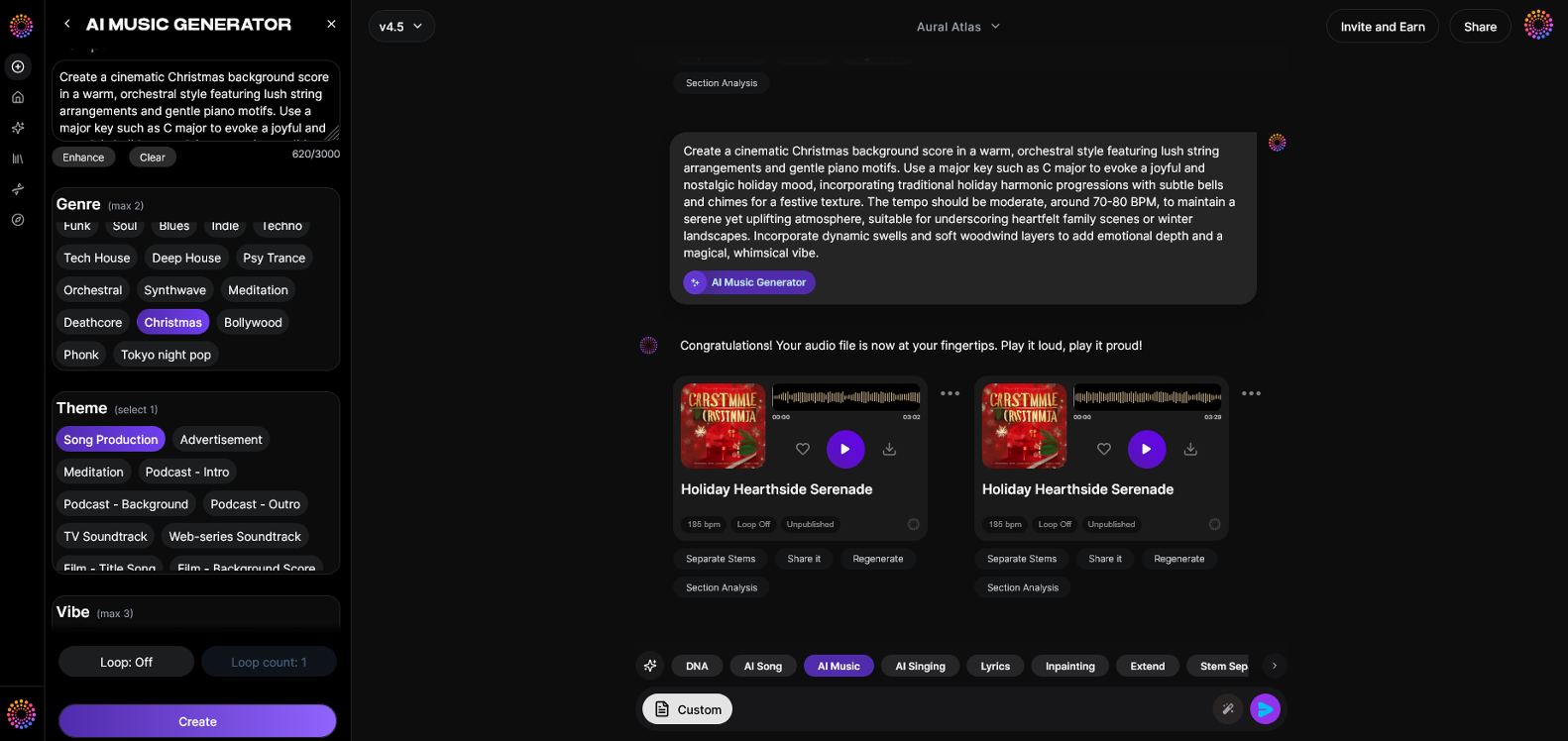
Now that you understand the psychological and emotional dimensions of rock, let’s explore how to create it using Soundverse.
Soundverse’s AI Music Generator lets you produce professional-quality rock-style instrumentals from a simple text prompt. You can specify genre details such as “classic rock,” “modern indie rock,” or “hard rock,” define tempo and mood, and instantly generate looping soundscapes or full background tracks.
Key Capabilities:
- Text-to-Music: Describe the desired sound using words like “gritty guitar riffs with energetic drums” and the AI composes accordingly.
- Loop Mode: Ensures seamless playback for video or game backgrounds.
- Detailed Genre/Mood Control: Perfect for selecting the rock substyle that suits your project.
- V4/V5 Model Options: Choose models offering either highly detailed compositions or versatile adaptive styles.
Use cases include creating AI-generated rock for video soundtracks, game scoring, and even podcast openers. You can also combine Soundverse’s features with its AI Singing Generator to add vocal effects once your instrumentals are ready.
If you’d rather craft full rock songs, Soundverse’s AI Song Generator extends this process with lyrics and vocal integration. Learn more about combining lyric creation and melody design at Generate AI Music with Soundverse Text-to-Music.
Soundverse simplifies music creation, removing the need for complex recording setups. Artists and educators can use it to experiment with genre influences — helping students understand how sound shapes emotion and behavior.
The Verdict: Is Rock Music Bad for You?
Ultimately, the answer depends on context. In moderation, rock music isn’t bad for you — it’s a dynamic form of emotional expression. It can energize the body, support mental focus, and strengthen social bonds. Excessive exposure to ultra-loud music may harm hearing, yet emotionally balanced engagement offers powerful benefits.
As AI continues to redefine production, listeners can explore diverse forms of rock safely and creatively. Platforms like Soundverse encourage thoughtful exploration of genres, showing that technology and art can coexist harmoniously.
For creators interested in other genres or inspirations, you can read about innovative AI-driven compositions such as How to Create Country Music with Soundverse AI or explore ambient generation with How to Create Healing Meditation Music with Soundverse AI.
In 2026, rock remains symbolic of freedom and authenticity. It isn’t dangerous — it’s a reflection of the complex beauty of human emotion, amplified through sound. With AI tools now enabling anyone to create expressive music, we’re entering an era where the creativity behind rock can thrive responsibly and inclusively.
Create Your Own Rock Tracks with AI
Turn your musical ideas into powerful rock compositions using Soundverse’s AI tools. Explore endless creativity, personalize your sound, and make music that resonates instantly.
Related Articles
- Create Metal Music with AI — Discover how Soundverse’s AI can help you generate intense metal tracks that channel raw energy and creativity.
- Most Popular Music Genres — Explore the genres that dominate the music world today and learn what makes each one connect with audiences.
- How AI-Generated Music Is Transforming the Music Industry — Dive into how AI tools like Soundverse are revolutionizing how songs are composed, produced, and shared.
- AI Music Generator and Human Composers: A Future Together — Explore how AI and human creativity can collaborate to produce stunning, innovative music experiences.
Here's how to make AI Music with Soundverse
Video Guide

Here’s another long walkthrough of how to use Soundverse AI.
Text Guide
- To know more about AI Magic Tools, check here.
- To know more about Soundverse Assistant, check here.
- To know more about Arrangement Studio, check here.
Soundverse is an AI Assistant that allows content creators and music makers to create original content in a flash using Generative AI. With the help of Soundverse Assistant and AI Magic Tools, our users get an unfair advantage over other creators to create audio and music content quickly, easily and cheaply. Soundverse Assistant is your ultimate music companion. You simply speak to the assistant to get your stuff done. The more you speak to it, the more it starts understanding you and your goals. AI Magic Tools help convert your creative dreams into tangible music and audio. Use AI Magic Tools such as text to music, stem separation, or lyrics generation to realise your content dreams faster. Soundverse is here to take music production to the next level. We're not just a digital audio workstation (DAW) competing with Ableton or Logic, we're building a completely new paradigm of easy and conversational content creation.
TikTok: https://www.tiktok.com/@soundverse.ai
Twitter: https://twitter.com/soundverse_ai
Instagram: https://www.instagram.com/soundverse.ai
LinkedIn: https://www.linkedin.com/company/soundverseai
Youtube: https://www.youtube.com/@SoundverseAI
Facebook: https://www.facebook.com/profile.php?id=100095674445607
Join Soundverse for Free and make Viral AI Music

We are constantly building more product experiences. Keep checking our Blog to stay updated about them!