How to Yell Properly and Safely: Vocal Power Without Damage
Learn how to yell safely without harming your voice. Explore techniques for vocal control and loudness.
How to Yell Properly and Safely
What does 'yelling properly' mean in 2026?
Yelling properly in 2026 means using controlled vocal techniques that amplify your voice while minimizing strain. Whether shouting to be heard across a crowd, projecting your voice in a performance, or venting stress vocally, the focus today is on sustainable voice use. Awareness around vocal health has grown substantially since 2025, with wellness influencers and stage performers alike emphasizing voice care alongside physical fitness.
Proper yelling isn’t about sheer volume—it’s about resonance, breath support, and maintaining healthy vocal folds. Experts now compare voice projection techniques to athletic discipline: your vocal cords are muscles requiring warm-ups and recovery.

Why is learning how to yell important?
Many people underestimate the power of their voice. Learning how to yell safely helps:
- Preserve vocal longevity.
- Improve clarity when projecting across noisy environments.
- Enhance performance in theater, music, or sports settings.
- Provide emotional release without physical harm.
Misusing your voice through harsh screaming can lead to hoarseness, nodules, or temporary loss. In 2026, speech therapists and voice coaches increasingly integrate safe yelling methods into wellness routines.
What are effective voice projection techniques?
Voice projection techniques make yelling efficient instead of painful. Professionals use these pillars:
- Breath Support: Engage your diaphragm. Inhale deeply, then push air steadily through your vocal cords rather than forcing sound from the throat.
- Open Throat Technique: Avoid tightening muscles. A relaxed throat lets sound resonate naturally. Refer to How to Scream Without Hurting Your Voice | Backstage for proper methods.
- Resonance Placement: Direct sound to vibrate through the chest and mouth instead of rasping at the throat.
- Posture Alignment: Keep neck, shoulders, and back straight to allow airflow.
- Controlled Emotion: Channel intensity through intention rather than pure force.
For long-term improvement, focus on exercises used by theater professionals. Gentle humming into different pitches, lip trills, and sustained vowel projection are common preparatory drills.
How to yell safely without damaging your voice?
Here’s how vocal coaches break down safe yelling methods:
- Warm Up First: Light hums, gentle scales, or breathing exercises prepare your vocal cords.
- Use Your Core: The diaphragm powers your voice, not your throat.
- Avoid Dryness: Voice care for professionals emphasizes hydration to keep vocal tissues supple.
- Limit Duration: Continuous yelling quickly fatigues your muscles.
- Cool Down: Soft humming or quiet humming afterward soothes tension.
Many athletes and singers now schedule vocal recovery breaks similarly to rest days at the gym. In 2026, this approach has become mainstream in wellness coaching.
How can you improve loudness and vocal control?
Improving loudness is not about yelling harder—it’s about using acoustic efficiency.
- Practice dynamic range: Alternate gentle speaking and louder phrases to learn controlled increase of volume.
- Monitor breath pacing: Release air gradually to maintain power.
- Record practice sessions: Listening helps identify moments of strain.
- Train resonance: Place vibrations lower in your chest for fullness.
- Exercise consistently: Like muscles, vocal abilities strengthen with regular use and proper rest.
Professionals in broadcasting and performance use resonance-based yelling rather than forced shouting. For a deeper dive, watch our Soundverse Tutorial Series - 9. How to Make Music video guide.
What are the common mistakes when learning how to yell?
- Throat tightening: Pushing sound strains delicate tissues.
- Ignoring hydration: Dry cords tear more easily.
- Skipping warm-ups: Cold starts cause cracking or pain.
- Poor posture: Compromised airflow weakens power.
- Excessive strain: Trying to impress with volume rather than presence often backfires.
In 2026, voice training apps and workshops actively warn against untrained yelling, especially among gamers, cheerleaders, and live performers who depend heavily on vocal endurance.
How does mental and emotional context affect yelling?
Yelling carries emotional weight. Managing stress is part of safe vocal expression. Controlled vocal release can feel cathartic when blended with breathing awareness and mindfulness. Coaches increasingly blend vocal projection with meditation and body awareness to ensure emotional release doesn’t translate to physical harm.
How to practice screaming without strain?
Screaming for artistic or expressive purposes follows similar rules:
- Start with mild intensity: Warm into louder levels gradually.
- Use diaphragmatic breath: Airflow supports tone.
- Keep your throat hydrated and open: Maintaining Vocal Health: Best Practices for Singers and Actors suggests steam or warm liquids for throat comfort.
- Find your natural power range: There’s a limit before distortion causes pain.
- Rest after intense practice: Recovery ensures long-term integrity.
Modern metal singers and voice actors rely on professional vocal coaches specializing in distortion techniques that sound powerful but remain healthy. Many creators incorporating AI-generated vocals study these methods to ensure authenticity.
For more techniques used in AI vocal creation, explore related insights in Soundverse AI Music Generator guide, AI Music in USA trends, and Music Industry Trends 2026 report.
For further inspiration, check our Soundverse Tutorial Series - 10. Make Deep House Music video.
How to make yelling practice more effective?
Combine physical warmth with sound drills. A sustainable weekly plan might include:
- 3 days of light vocal projection practice.
- 2 days of rest focusing on hydration.
- Emotional intention exercises to pair expression with breath.
Tracking progress via recordings or performance feedback helps refine technique. Today, digital tools make monitoring sound frequency and loudness easier for learners.
How to make yelling practice fun and creative?
Incorporating creativity turns practice into exploration. You can:
- Mix vocal projection drills with rhythmic movement.
- Experiment with echo or acoustic spaces.
- Use AI tools to simulate different environments or textures.
Cross-referencing tutorials such as How to Create Country Music with Soundverse AI or Soundverse Introduces Stem Separation AI Magic Tool show how technology can enhance audio experimentation.
How to make yelling practice safe long term?
Maintaining health involves consistent preventive care:
- Regular hydration.
- Balanced diet rich in vitamin A, E, and hydration agents.
- Avoid caffeine excess before extended vocal performance.
- Use humidifiers in dry environments.
Vocal hygiene is essential in 2026, especially for digital performers, streamers, and virtual voice artists. Explore essential Vocal Health Tips for Singers to keep your voice strong.
How to make yelling expressive for art or media?
Using yelling artistically is common in film, animation, and gaming performances. Voice actors often switch between soft and loud delivery requiring precise control. Understanding human emotion behind vocal projection makes your yelling believable rather than abrasive.
Amplifying emotional authenticity can be achieved by layering yelling textures into musical compositions. Producers experimenting with AI-generated performances are blending these human nuances with synthetic precision.
How to make yelling with confidence?
Confidence stems from knowing the mechanics. The more awareness you bring to breath, resonance, and posture, the stronger your presence. In the modern communication landscape—public speaking, content creation, or live streaming—a confident, healthy voice defines authority.
Practicing in various acoustic spaces adds adaptability. Public speakers often rehearse in halls, studios, or outdoors to understand sound reflection.
How to make Yelling instantly with Soundverse AI Singing Generator
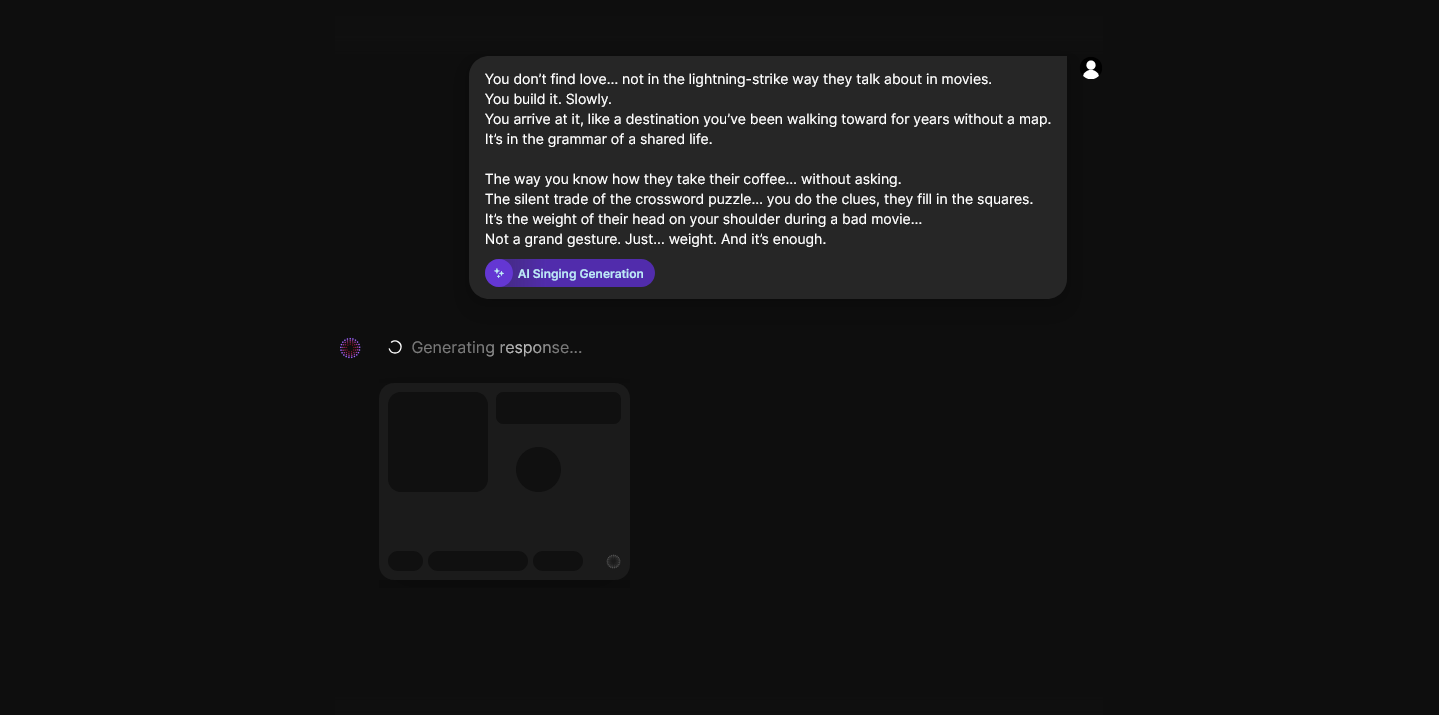
Now that you understand how to yell properly and safely, here is how to create realistic vocal expressions instantly using Soundverse.
Soundverse AI Singing Generator allows creators to generate professional-quality acapella performances directly from text or lyrics. It supports traditional styles like Pop, Rock, Rap, and Opera, and even experimental textures such as whispering or unique 'Meow Meow' cat sounds. This engine provides clean acapella output ideal for vocal references, character voices, or electronic music production.
Core Capabilities Include:
- Text-to-singing conversion.
- Diverse stylistic selection.
- Support for reference audio to match tone or emotion.
- Multilingual vocal tracks for global projects.
If you create yelling, screaming, or expressive vocal effects for a scene or song, Soundverse lets you capture the vocal character safely—without physically straining your voice. You type or input lyrics, choose emotion intensity or vocal style, and generate instantly processed outputs ready for use.
For complex sound transformation, complementary AI tools such as Voice to Instrument convert vocal input into instrumental sounds, or the Similar Singing Generator recreates consistent voice tones singing new lyrics—ideal for character continuity across projects.
Soundverse’s ecosystem stands out among AI music generators, discussed further in guides like Best AI Music Generator Reviews and Soundverse Assistant AI Co-Producer Overview.
By merging creative intent with artificial intelligence, you can simulate safe yelling performances digitally—perfect for producers, educators, and wellness creators aiming to express emotion sustainably.
Master Your Sound Expression Today
Discover how Soundverse helps you channel your voice, emotion, and creativity safely and effectively. Turn any sound—whether it's a yell or melody—into art with AI-powered tools.
Start Creating with Soundverse
Related Articles
- How to Create Healing Meditation Music with Soundverse AI — Learn how Soundverse helps you design calming and restorative soundscapes using AI tools.
- Soundverse Introduces Stem Separation AI Magic Tool — Discover how Soundverse’s stem separation technology lets you isolate vocals and instruments effortlessly.
- Enhancing YouTube Content with Royalty-Free and Copyright-Free Music Using Soundverse AI — Find out how Soundverse empowers creators to legally and creatively enhance videos with custom AI music.
- How to Create Rap Music with AI — Explore how Soundverse makes it easy to generate rap beats and vocal tracks through intelligent text-to-music tools.
Here's how to make AI Music with Soundverse
Video Guide
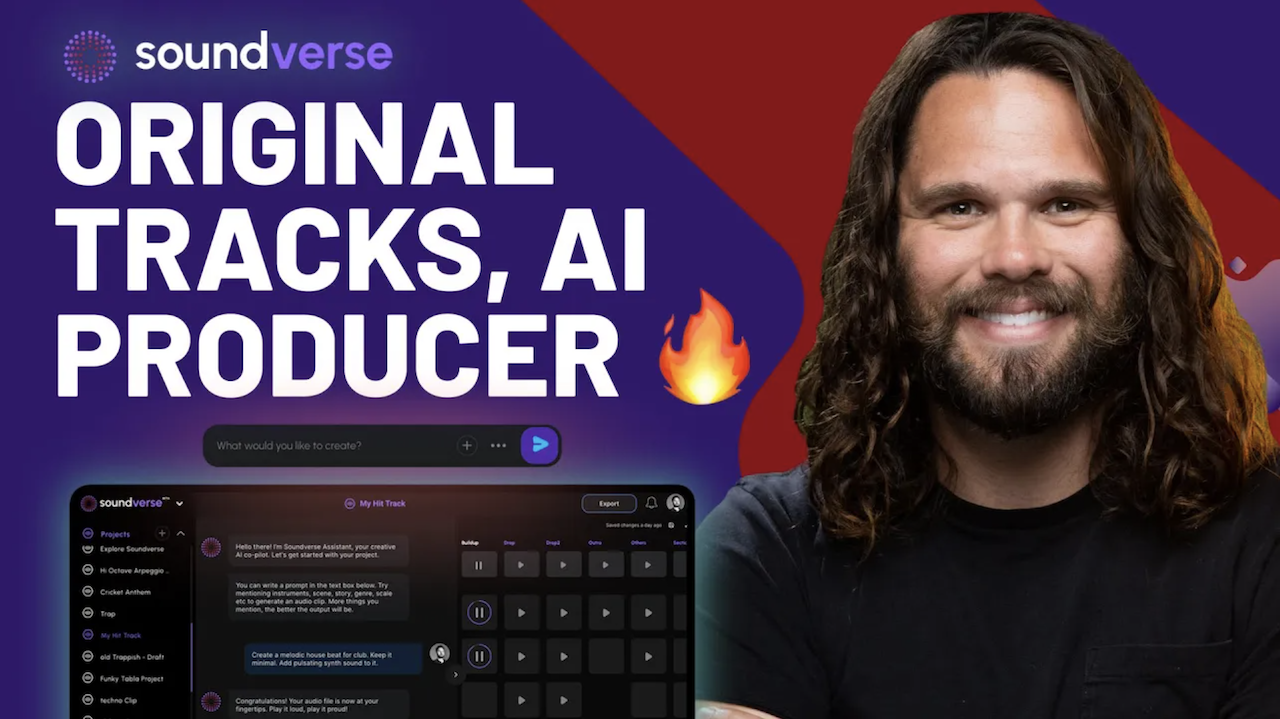
Here’s another long walkthrough of how to use Soundverse AI.
Text Guide
- To know more about AI Magic Tools, check here.
- To know more about Soundverse Assistant, check here.
- To know more about Arrangement Studio, check here.
Soundverse is an AI Assistant that allows content creators and music makers to create original content in a flash using Generative AI.
With the help of Soundverse Assistant and AI Magic Tools, our users get an unfair advantage over other creators to create audio and music content quickly, easily and cheaply.
Soundverse Assistant is your ultimate music companion. You simply speak to the assistant to get your stuff done. The more you speak to it, the more it starts understanding you and your goals.
AI Magic Tools help convert your creative dreams into tangible music and audio. Use AI Magic Tools such as text to music, stem separation, or lyrics generation to realise your content dreams faster.
Soundverse is here to take music production to the next level. We're not just a digital audio workstation (DAW) competing with Ableton or Logic, we're building a completely new paradigm of easy and conversational content creation.
TikTok: https://www.tiktok.com/@soundverse.ai
Twitter: https://twitter.com/soundverse_ai
Instagram: https://www.instagram.com/soundverse.ai
LinkedIn: https://www.linkedin.com/company/soundverseai
Youtube: https://www.youtube.com/@SoundverseAI
Facebook: https://www.facebook.com/profile.php?id=100095674445607
Join Soundverse for Free and make Viral AI Music

We are constantly building more product experiences. Keep checking our Blog to stay updated about them!