How to Produce Electronic Music: A Beginner’s Guide for 2026
Learn to produce electronic music at home using Soundverse AI and pro music production tools.
How to Produce Electronic Music
Electronic music remains one of the most creative and accessible genres in 2026, thanks to advances in AI-powered music tools and intuitive digital audio workstations (DAWs). Whether you want to make ambient soundscapes, upbeat EDM tracks, or cinematic electronic sound design, learning how to produce electronic music gives you the control to craft limitless sonic textures.
Why Learn to Produce Electronic Music in 2026?
Electronic music continues to dominate clubs, festivals, content creation, and streaming platforms. The genre has evolved well beyond EDM—artists now merge electronic elements into hip-hop, jazz, pop, and even classical arrangements. Learning electronic music production today opens doors to freelancing, game soundtrack composition, and social media content creation. With modern music production software, you can start making incredible tracks at home without needing an expensive studio.
Beginners are benefiting from AI-assisted tools like Soundverse that streamline technical processes. These platforms let users focus more on creativity rather than complex programming or sound synthesis, making 2026 the ideal time to start.
What Do You Need for Electronic Music Production?
To produce electronic music effectively, assemble the right setup and understand the key tools used by creators around the world.
Basic Home Studio Setup
A professional studio is no longer necessary. Your home setup can include:
- A Computer or Laptop: High processing power is useful for running DAWs and VST plugins.
- Digital Audio Workstation (DAW): The software where all composition and arrangement happen. Popular options include Ableton Live, FL Studio, and Logic Pro.
- MIDI Controller: Enables real-time playing and recording of instruments.
- Audio Interface: For connecting microphones or synthesizers to your computer.
- Studio Monitors or Headphones: Provide accurate audio feedback.
- Plugins and Synths: Vital for designing sounds that define electronic genres.
A balanced home studio setup ensures professional results. Beginners looking to minimize investment can start with just a computer, headphones, and access to modern AI tools for quick arranging.
Key Concepts in Electronic Music Production
Understanding fundamental principles strengthens your workflow.
- Sound Design: The creation of new sounds using plugins and synthesizers.
- Beat and Rhythm Formation: Most electronic music relies on digital drum sequencing and pattern programming.
- Arrangement and Structure: Crafting intros, drops, breakdowns, and outros—the narrative of your track.
- Mixing and Mastering: Final balance and loudness optimization for streaming readiness.
These steps sound complex, but AI tools now simplify sound generation and arrangement by interpreting text prompts or sample references.
How to Make Electronic Music with Soundverse AI Music Generator
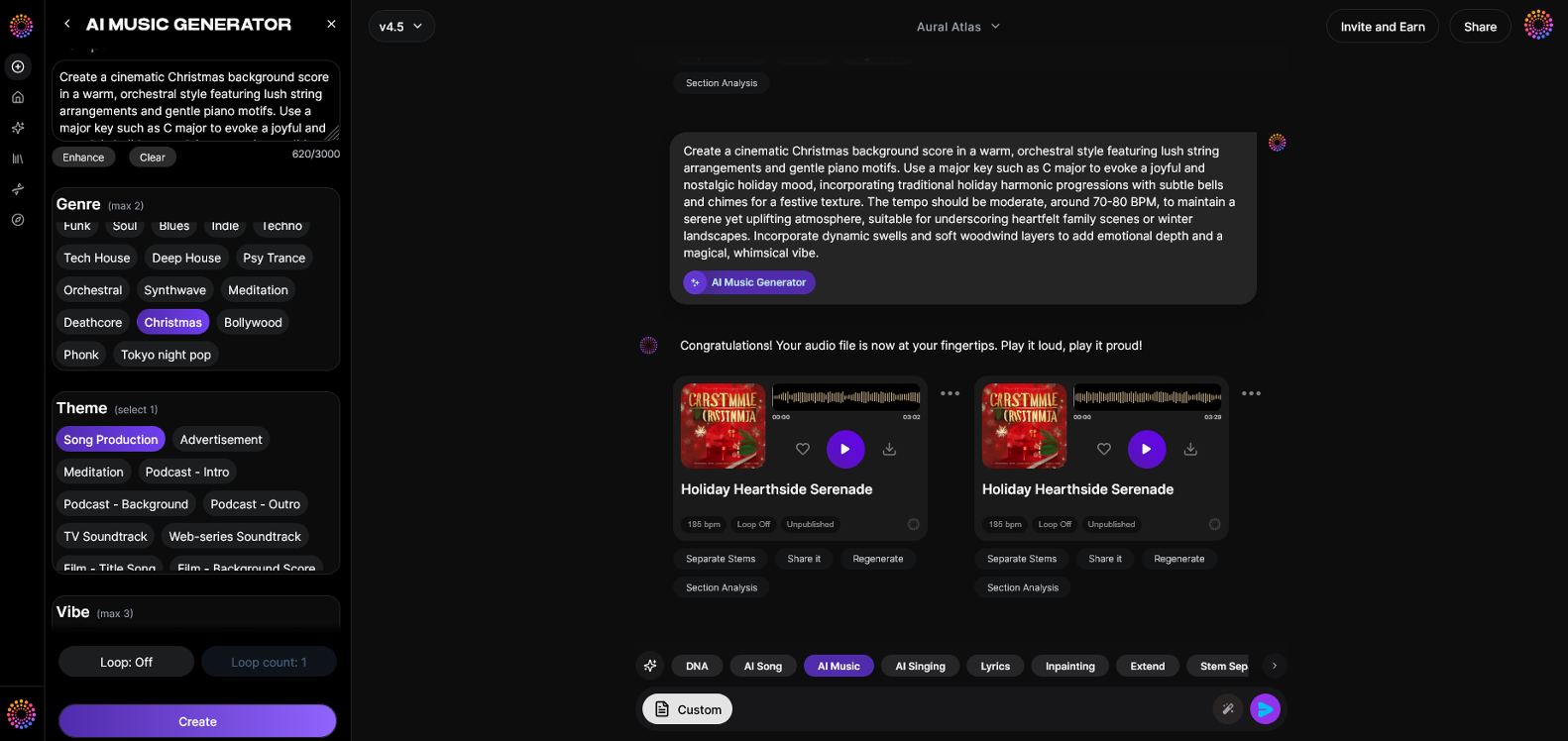
Soundverse revolutionizes electronic music production by pairing AI creativity with user control. Instead of spending hours fine-tuning synth patches or drum loops, you can describe your intended vibe, genre, and instrumentation in text—and Soundverse generates the full instrumental accordingly.
Key Capabilities:
- Text-to-Music: Create fully produced instrumental tracks from written prompts.
- Loop Mode: Enable seamless repetition for background music or game soundtracks.
- Genre, Mood, and Instrument Controls: Refine the sonic feel with precision.
- V4 and V5 Model Options: Choose advanced generation models for realistic, polished outcomes.
Primary Use Cases: Ideal for creators producing video background music, game soundtracks, meditation tracks, or ads. In electronic music, it serves as an instant idea generator or soundbed builder before detailed production.
Let’s walk through the official workflow to create an electronic track using Soundverse’s AI Music Generator.
Step 1: Feature Overview
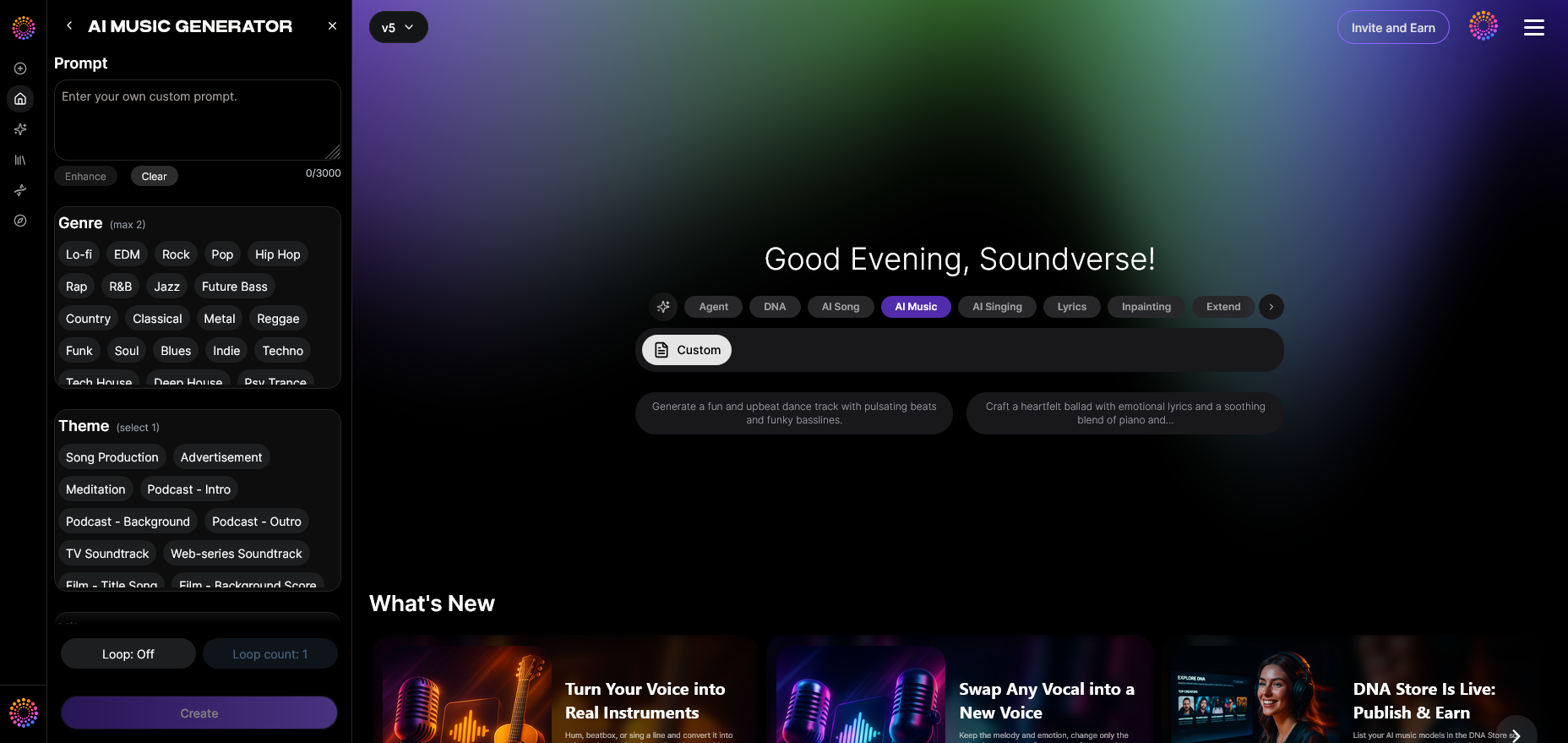
Access the AI Music Generator directly from Soundverse’s main menu. The dashboard provides options for starting new projects or using templates tailored to electronic genres.
Step 2: Description Input
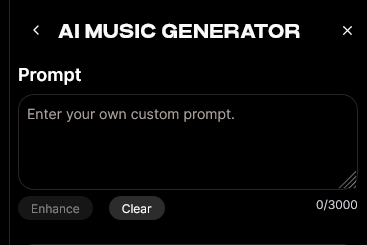
Enter a detailed text prompt describing your desired electronic track. Example: “A deep house beat with lush synth pads and mellow bass for late-night chill playlists.” The system translates this textual idea into structured musical blueprints. For a deeper dive, watch our guide on creating Deep House music.
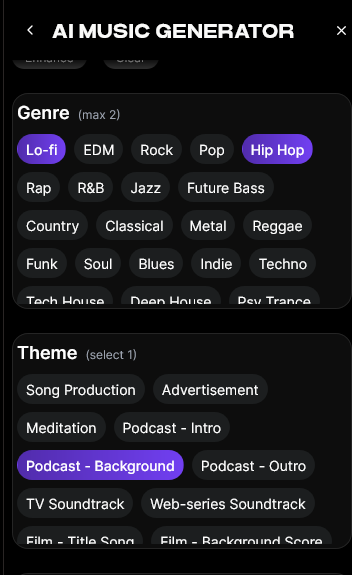
Step 3: Style & Duration
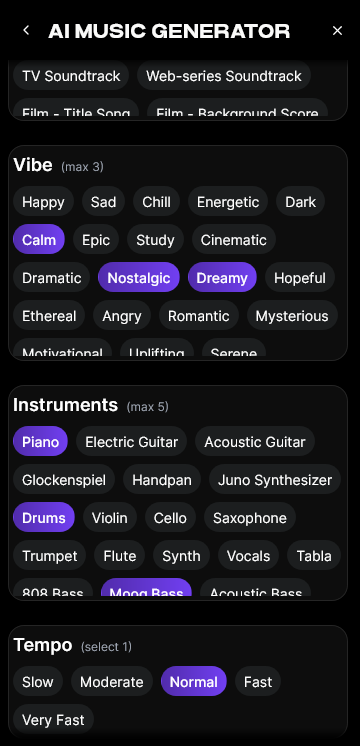
Select your music style (e.g., EDM, ambient electronica, synthwave) and specify track length. You can experiment with different durations for loops or full songs. This control makes Soundverse valuable for creators balancing video lengths and transitions. Watch our Soundverse Tutorial Series - How to Make Music to explore these adjustments.
Step 4: Generation
Click Generate to let the AI construct instrumental music from your description. Within minutes, the system produces a high-quality electronic composition with automated synth selection, rhythm blocks, and texture layers. To understand how templates work, check the Explore tab video guide.
Step 5: Export Options
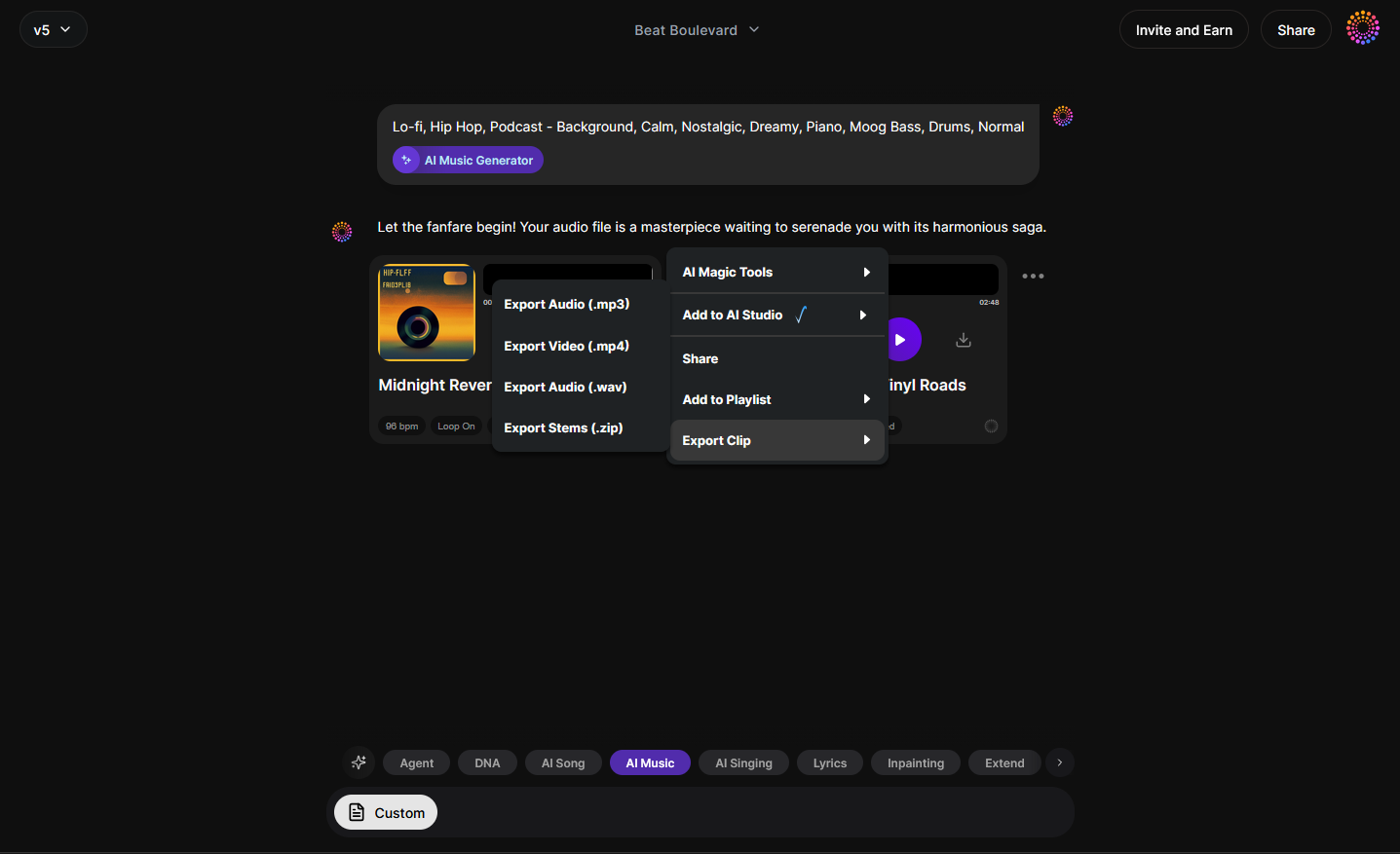
After reviewing your AI-generated piece, choose export options. You can download the music or integrate it into further editing tools. Downloadable loops work great in your DAW for mixing with additional vocals or effects.
Pro Tips for Beginners in Electronic Music Production
Once your base track is generated, refine it using these proven tactics:
- Layer with Custom Sounds: Blend AI-generated loops with personalized samples or virtual instruments.
- Reference Existing Tracks: Compare the energy and mix balance with genre examples.
- Use Arrangement Sections: Break down your song’s flow into intro, build-up, drop, and outro.
- Employ Automation: Adjust filters, panning, or effects dynamically.
- Mixing for Depth: Use EQ and reverb to create a spacious soundstage.
- Mastering for Loudness: A limiter ensures your track hits the desired volume standard.
If you want hands-on guidance for genre-specific production, explore related resources like How to Create EDM with Soundverse AI and Generate AI Music with Soundverse Text-to-Music. These detailed tutorials showcase practical use of AI-assisted workflows.
Integrating Soundverse into Your DAW Workflow
Once you export your AI-generated music from Soundverse, import it into your preferred DAW for customization. For example, users can:
- Add percussion from their drum library.
- Overlay vocal lines generated by AI Singing Generator or convert humming with Voice to Instrument for dynamic lead parts.
- Use Soundverse Agent to automate repetitive tasks like removing drums or remixing loops through natural language commands.
Learn more about Soundverse Agent’s orchestration capabilities in Soundverse Assistant: Your AI Music Co-Producer.
Expanding Creative Potential With AI
The future of electronic music production lies in hybrid collaboration between human intuition and algorithmic innovation. As shown in How AI-Generated Music Is Transforming the Music Industry, artists worldwide are incorporating AI systems for initial ideation, freeing time for emotional expression and detailed mixing.
Working alongside AI doesn’t replace creativity—it amplifies it. Soundverse’s genre controls, loop mode, and version flexibility ensure each track suits its intended purpose, from streaming releases to interactive app soundscapes.
Start Producing Electronic Music Today with Soundverse AI
Unlock effortless music creation using AI tools designed for electronic producers. Generate beats, mix stems, and bring your sound ideas to life instantly—all in one intuitive platform.
Create Music Now →
Related Articles
- How to Create EDM with Soundverse AI: Discover how to craft energetic EDM tracks using AI-powered composition and production features.
- Soundverse Introduces Stem Separation AI Magic Tool: Learn how Soundverse’s stem separation technology allows you to isolate and remix any part of a song effortlessly.
- Generate AI Music with Soundverse Text-to-Music: Explore how to turn text prompts into fully produced electronic tracks using Soundverse’s text-to-music engine.
- Soundverse AI Revolutionizing Music Creation for New Age Content Creators: Find out how Soundverse is transforming the way creators produce music and content through intelligent AI tools.
Here's how to make AI Music with Soundverse
Video Guide
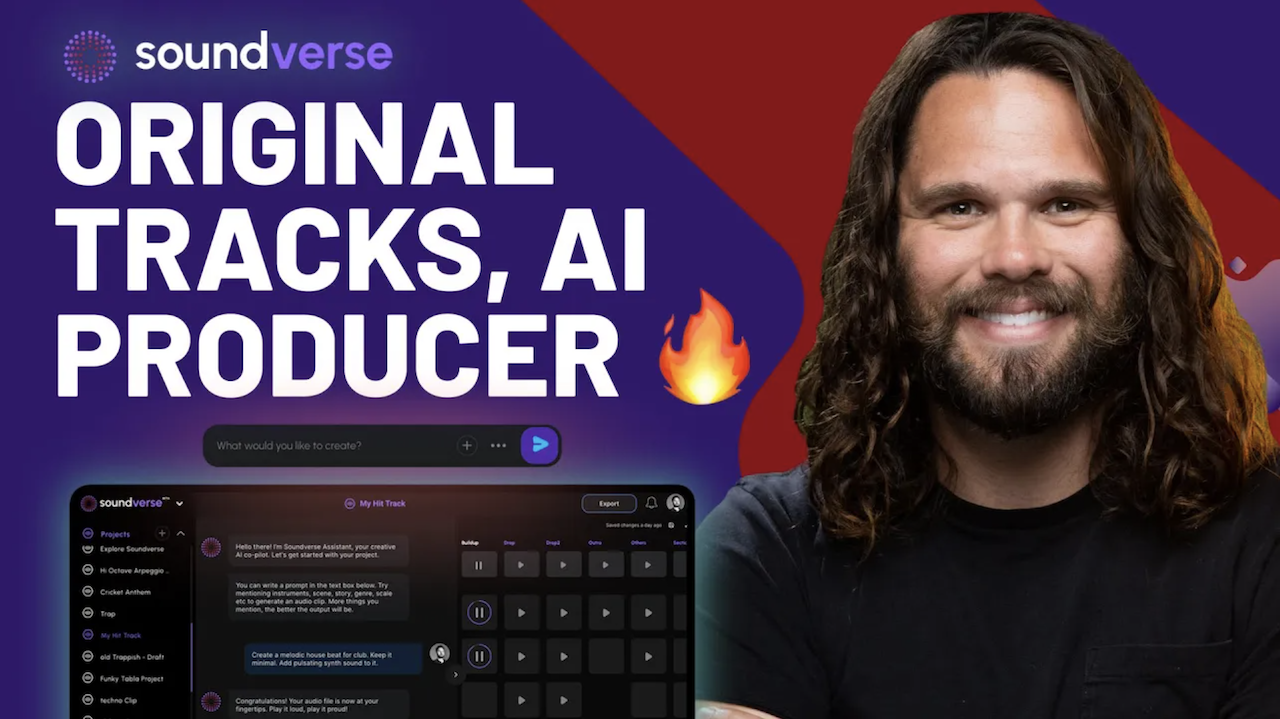
Here’s another long walkthrough of how to use Soundverse AI.
Text Guide
- To know more about AI Magic Tools, check here.
- To know more about Soundverse Assistant, check here.
- To know more about Arrangement Studio, check here.
Soundverse is an AI Assistant that allows content creators and music makers to create original content in a flash using Generative AI.
With the help of Soundverse Assistant and AI Magic Tools, our users get an unfair advantage over other creators to create audio and music content quickly, easily and cheaply.
Soundverse Assistant is your ultimate music companion. You simply speak to the assistant to get your stuff done. The more you speak to it, the more it starts understanding you and your goals.
AI Magic Tools help convert your creative dreams into tangible music and audio. Use AI Magic Tools such as text to music, stem separation, or lyrics generation to realise your content dreams faster.
Soundverse is here to take music production to the next level. We're not just a digital audio workstation (DAW) competing with Ableton or Logic, we're building a completely new paradigm of easy and conversational content creation.
TikTok: https://www.tiktok.com/@soundverse.ai
Twitter: https://twitter.com/soundverse_ai
Instagram: https://www.instagram.com/soundverse.ai
LinkedIn: https://www.linkedin.com/company/soundverseai
Youtube: https://www.youtube.com/@SoundverseAI
Facebook: https://www.facebook.com/profile.php?id=100095674445607
Join Soundverse for Free and make Viral AI Music

We are constantly building more product experiences. Keep checking our Blog to stay updated about them!