How to Mix Background Vocals Like a Pro in 2026
Learn expert vocal mixing techniques and use Soundverse Stem Separator to perfect background vocals.
How to Mix Background Vocals
Mixing background vocals is a crucial step in creating professional, immersive, and emotionally engaging music. Whether you’re working in a top-tier recording studio or from your home setup, mastering this process allows your tracks to sound polished and balanced. In 2026, vocal production continues to evolve, with advanced tools and AI-assisted workflows making it easier for producers and engineers to achieve pristine clarity and depth in vocal arrangements.
Why Are Background Vocals Important in Modern Music?
Background vocals add dimensionality and texture to a song. They help emphasize lyrical moments, strengthen hooks, and provide emotional support for lead vocals. From lush pop harmonies to subtle R&B support lines or the layered textures of cinematic scores, background vocals can transform a mix from ordinary to extraordinary. As the music industry trends in 2026 show (see more), artists rely heavily on vocal richness to stand out in streaming-first ecosystems.

What Are the Core Principles of Mixing Background Vocals?
The goal of mixing background vocals is to blend them so that they enhance the lead vocal without overpowering it. This requires a combination of technical skill and creative intuition. Every genre—from jazz to EDM—demands a slightly different approach, but the fundamentals remain consistent:
- Balance and placement: Ensure the background vocals sit correctly within the stereo field.
- EQ and compression: Shape frequencies to avoid masking and control dynamics.
- Reverb and delay: Add ambiance without muddiness.
- Harmonic layering: Create depth by stacking harmonies and doubling tracks.
These are the cornerstones of professional vocal mixing techniques. As technology has advanced, modern producers now integrate AI-based tools to handle stem separation, cleanup, and enhancement with unprecedented precision.

How to Make Mixing Background Vocals More Effective in 2026
Modern music production emphasizes workflow efficiency. Producers are encouraged to adopt tools that streamline each process, saving time for creative decisions rather than technical troubleshooting. If you’re building a studio mixing workflow, integrating AI-powered utilities should be part of your strategy. This is where Soundverse comes into play.
How to Make Background Vocal Mixing Effortless with Soundverse Stem Separator
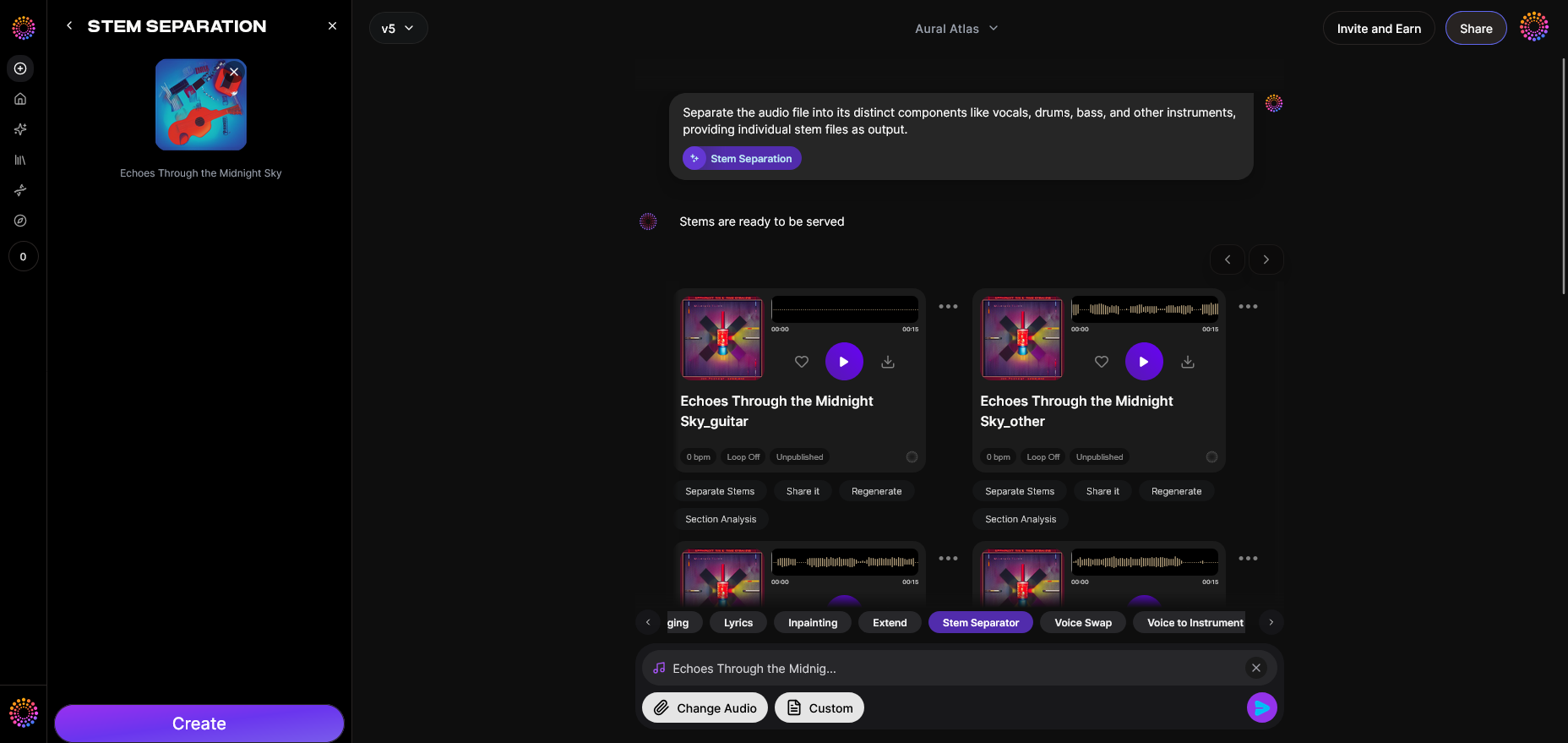
The Soundverse Stem Separator provides an easy-to-use solution for dissecting complex mixed tracks and isolating the background vocals you want to refine. Its advanced algorithm separates audio into up to six editable stems — vocals, drums, bass, guitar, accompaniment, and more — making it an ideal choice for remixing or detailed vocal editing.
Why Soundverse Stem Separator Is Crucial for Music Producers
When you need to enhance or remix background vocals, working from the raw vocal stem is essential. The Soundverse Stem Separator delivers high-quality isolation whether you’re importing a URL, a local file, or recorded audio. This feature allows precise control in post-production — giving producers access to just the vocal content without bleed from other instruments. You can then apply EQ, compression, reverb, and modulation with total clarity.
By using the Soundverse Stem Separator, producers can create cleaner vocal harmonies, adjust pitch relationships, or replace damaged parts with regenerated content using Inpainting, another Soundverse editing tool built for perfecting selected regions.
Step 1: Upload Interface
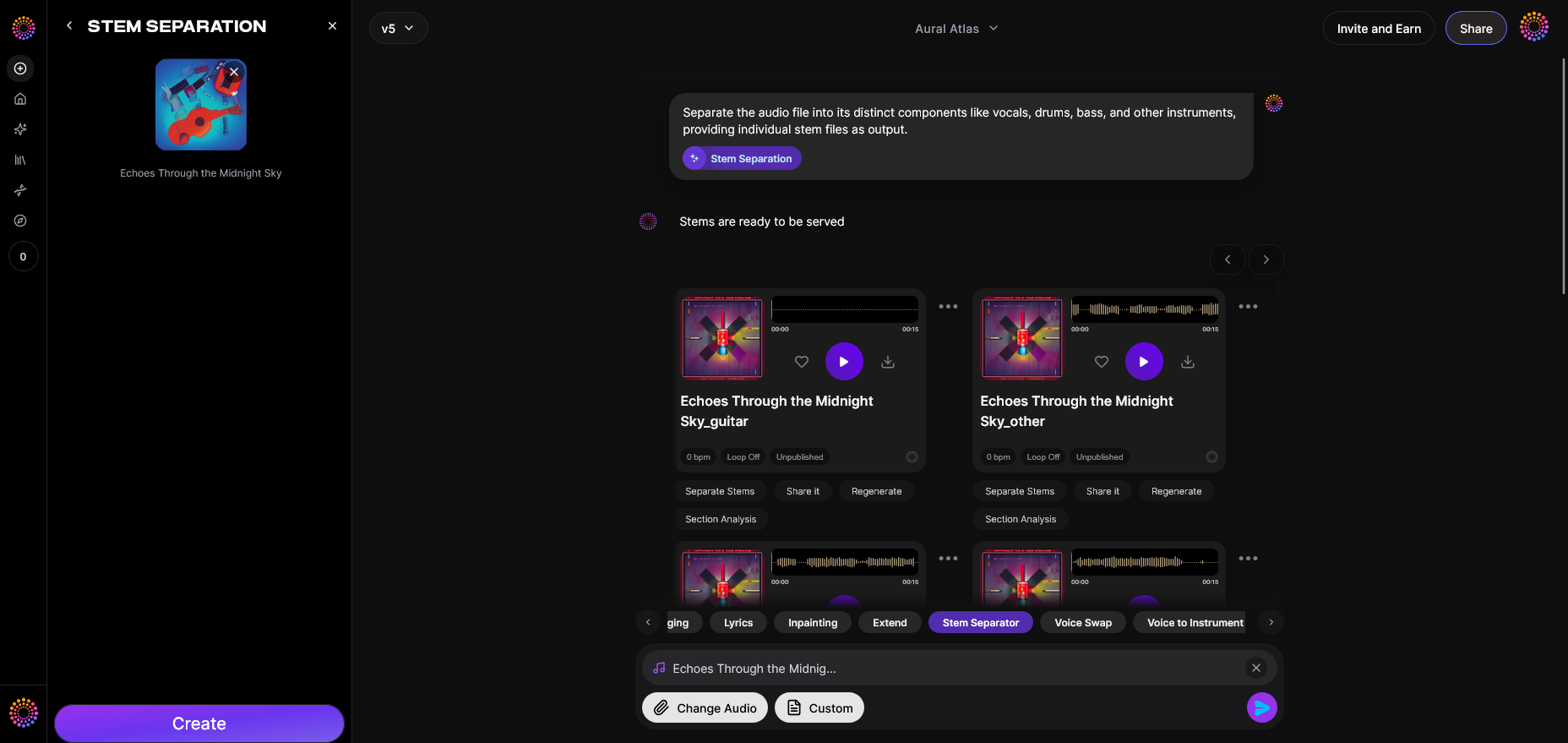
Begin by uploading your audio track to the Soundverse Stem Separator interface. This asynchronous process lets you work with three types of input: a direct URL to an online track, a local file upload, or a new recording. The software analyzes the audio file and prepares it for stem separation.
Step 2: Additional References

To ensure optimal accuracy, you can also upload a reference track — such as a mix with similar vocal balance or style. This helps the AI contextualize how the stems should sound once separated, providing a refined output suitable for mixing and mastering.
Step 3: Results Display
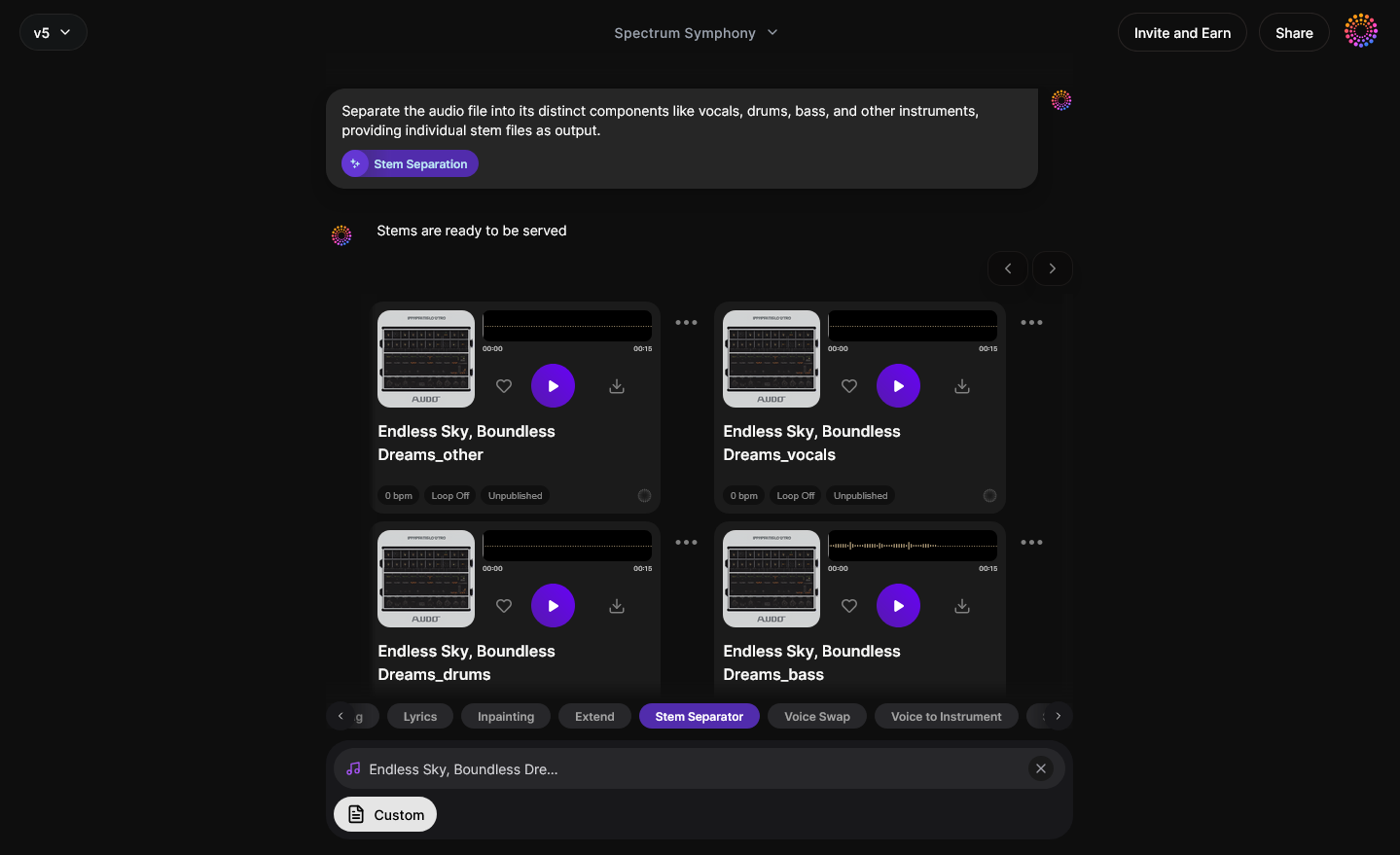
Once processed, you’ll see the separated stems visualized. This view allows you to identify and preview each stem individually, including the isolated background vocals, main vocals, and other instrumental tracks. Though Soundverse doesn’t offer a real-time preview, you can assess the processed stems once the task is complete.
Step 4: Download Stems
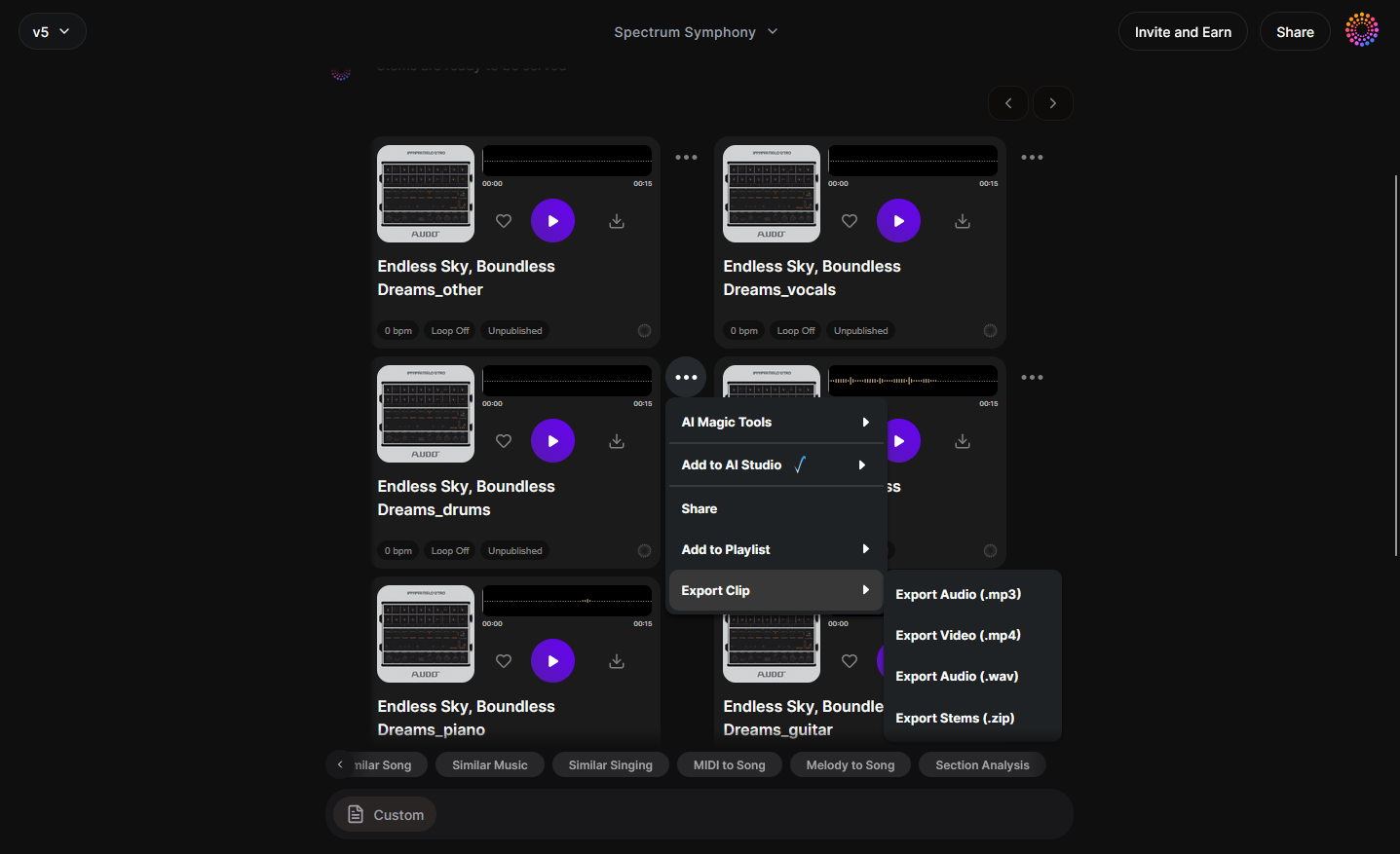
After reviewing, download the individual stems for use in your preferred DAW. At this stage, you can apply standard vocal mixing techniques—such as EQ sculpting, subtle compression, and time-based effects—to shape the ideal tone for your background vocals.
How to Apply Vocal Mixing Techniques After Stem Separation
Once you have clean background vocals extracted, the real art begins. Here are essential practices every modern producer should follow:
- Use complementary EQ: Carve out frequencies that clash with the lead vocal. Typically, slight cuts in the low-mid range and boosts in the upper mids can add sparkle (Read more about pro vocal sound).
- Apply compression carefully: Background vocals often need cohesive dynamic range, but over-compressing can flatten natural movement. Aim for light compression to maintain airiness (Waves Audio background vocal hacks).
- Blend with reverb: Short reverb tails help place background vocals slightly behind the lead, creating depth and spatial contrast.
- Experiment with vocal layering: Create multiple takes or synthetic layers using pitch shifting or doubling techniques (See related AI-generated music explorations).
- Automate volume: Manual volume automation ensures different sections of the track breathe naturally. This prevents background vocals from dominating quiet passages.
For a deeper dive, watch our Soundverse Tutorial Series - 9. How to Make Music, where you’ll see detailed AI production workflows in action.
Expert Pro Tips for Mixing Background Vocals in 2026
- Reference genre-specific mixes: Check how background vocals are balanced in modern productions. You can explore styles like EDM in this guide to understand genre expectations.
- Use the right monitoring environment: Proper acoustics ensure accurate evaluation of depth and stereo imaging.
- Don’t overlook phase alignment: When layering vocals, always check that phases align to prevent cancellation (Mixing background vocals pro technique).
- Harness AI analytical feedback: The Soundverse Arrangement Studio can help users refine their mixes collaboratively while maintaining structure and balance.
Building a Studio Mixing Workflow for Efficient Background Vocal Production
Establishing repeatable studio workflows makes each project consistent and time-effective. With AI tools becoming integral in studios, producers now automate stem preparation, cleanup, and vocal layering before manual fine-tuning.
Typical modern workflow:
- Separate stems using the Soundverse Stem Separator.
- Regenerate or replace problematic sections using Inpainting.
- Arrange the structure with Arrangement Studio.
- Finalize balance, EQ, and reverb tails in your DAW.
- Export and master for streaming consistency.
Producers following this process have reported cleaner mixes and reduced production turnaround times. For large projects or remixes, these steps offer scalability — from independent creators to production teams using cloud-based DAWs.
Enhance Your Vocal Mix with AI Precision
Transform how you mix background vocals using Soundverse’s AI-powered music tools. Achieve clarity, balance, and professional sound with effortless automation and smart stem separation.
Related Articles
- Soundverse Introduces Stem Separation AI Magic Tool — Discover how Soundverse's stem separation feature lets you isolate vocals and instruments perfectly for smoother mixes.
- Soundverse Assistant: Your AI Music Co-Producer — Meet Soundverse Assistant — the intelligent co-producer that helps you mix and master music like a professional.
- What Are Song Stems and Why Do You Need Them — Learn how song stems improve your mixing workflow and give you ultimate control over background vocals and harmonies.
- Generate AI Music with Soundverse Text-to-Music — Explore how you can create full vocal arrangements and backing tracks using text prompts and AI-generated music.
Here's how to make AI Music with Soundverse
Video Guide

Here’s another long walkthrough of how to use Soundverse AI.
Text Guide
- To know more about AI Magic Tools, check here.
- To know more about Soundverse Assistant, check here.
- To know more about Arrangement Studio, check here.
Soundverse is an AI Assistant that allows content creators and music makers to create original content in a flash using Generative AI.
With the help of Soundverse Assistant and AI Magic Tools, our users get an unfair advantage over other creators to create audio and music content quickly, easily and cheaply.
Soundverse Assistant is your ultimate music companion. You simply speak to the assistant to get your stuff done. The more you speak to it, the more it starts understanding you and your goals.
AI Magic Tools help convert your creative dreams into tangible music and audio. Use AI Magic Tools such as text to music, stem separation, or lyrics generation to realise your content dreams faster.
Soundverse is here to take music production to the next level. We're not just a digital audio workstation (DAW) competing with Ableton or Logic, we're building a completely new paradigm of easy and conversational content creation.
TikTok: https://www.tiktok.com/@soundverse.ai
Twitter: https://twitter.com/soundverse_ai
Instagram: https://www.instagram.com/soundverse.ai
LinkedIn: https://www.linkedin.com/company/soundverseai
Youtube: https://www.youtube.com/@SoundverseAI
Facebook: https://www.facebook.com/profile.php?id=100095674445607
Join Soundverse for Free and make Viral AI Music

We are constantly building more product experiences. Keep checking our Blog to stay updated about them!