How to Make Beats for a Song: A Complete Guide for Beginners (2026 Edition)
Learn how to make beats step-by-step in 2026 using DAWs, samples, and Soundverse AI Music Generator.
How to Make Beats for a Song
Creating your own beats has become one of the most exciting aspects of modern music production. Whether you're a beginner experimenting with loops or a songwriter shaping full compositions, understanding how to make beats for a song is essential. In 2026, technology and creativity blend more seamlessly than ever, allowing aspiring producers to turn their musical ideas into professional-sounding tracks.
What Does It Mean to Make Beats for a Song?
Beat making refers to the process of creating the rhythmic and melodic foundation for a song. A beat typically includes drums, percussion, bass, and sometimes melodic or atmospheric elements that define the groove and tone of a track. Unlike traditional songwriting, beat creation can start from rhythm or mood rather than lyrics or melody.
For beginners, learning beat making for beginners can seem overwhelming at first. However, modern digital audio workstations (DAWs) and tools like Soundverse AI Music Generator have made music creation accessible to everyone—no professional studio required.
What Tools Do You Need to Make Beats?
Before diving into the creative process, it's useful to know the essential tools for making beats:
- Digital Audio Workstation (DAW): A DAW is your main workspace for recording, editing, and arranging sounds. Popular options include Ableton Live, FL Studio, Logic Pro, and Studio One. Beginners can find plenty of DAW tutorials online to master the basics.
- MIDI Controller or Keyboard: Helps you play melodies, chords, or drum patterns.
- Sample Packs and Drum Kits: These provide ready-made sounds to start composing quickly.
- Audio Interface and Headphones: Essential for accurate sound monitoring.
- Plugins or Virtual Instruments: Expand your sonic palette with synths, effects, and drum modules.
To learn more about modern DAWs and creative workflows, check out this detailed article about music industry trends that explores how producers are working in 2026.
How Do You Start Making Beats?
Step 1: Feature Overview — Setting up your Beat Making Environment
Begin by launching your DAW and organizing your session. It’s recommended to start with a clear project template that includes channels for drums, bass, and instruments. The better you structure your workflow, the easier it will be to compose.
In DAWs, most producers follow a standard layout: drums at the top of the track list, instruments below, and master effects at the bottom. Consistency helps you stay efficient.
Step 2: Description Input — Define the Mood and Genre
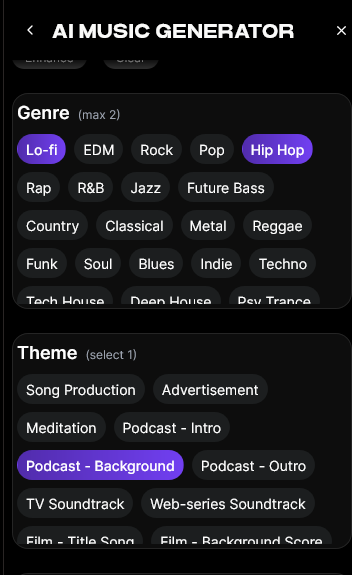
Before hitting play, decide what type of song you’re creating. Is it a hip-hop beat, EDM drop, or a lo-fi groove? Each genre has its own rhythmic style and tempo. Beginners should start by exploring various BPMs (beats per minute) and focus on how tempo affects mood.
You can write a short description of the intended vibe: for example, “a chill R&B groove with soft drums and warm bass.” This intentional planning mimics how text-based tools like Soundverse allow you to describe the music before generating it.
Step 3: Style & Duration — Building the Drum Pattern and Arrangement
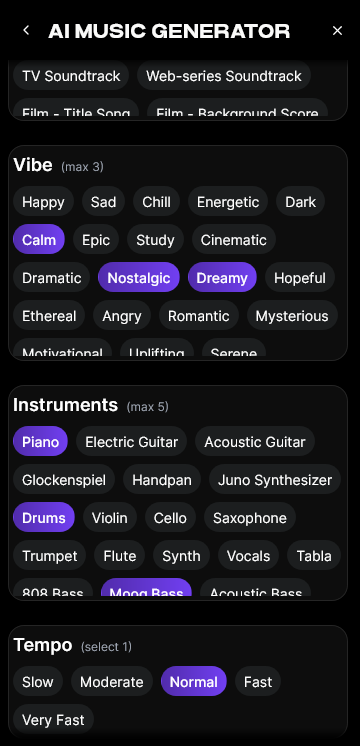
Start your beat with a simple four-bar loop. Add a kick drum on beats 1 and 3, and a snare on beats 2 and 4 for a standard rhythm. You can then layer hi-hats and percussion elements to introduce groove and complexity.
Once the rhythm feels right, add melodic components—basslines, chords, and perhaps an atmospheric pad. These bring depth and musicality to your composition. Many producers use guides like how to create EDM music with Soundverse AI for inspiration when structuring a track.
Extend this loop into different song sections: intro, verse, chorus, and outro. Beat making isn’t only about repetition; it’s about variation and progression. As Beat Making 101: How to Make a Beat notes, balancing variation with repetition keeps listeners engaged.
For a deeper dive, watch our guide on creating Deep House music and explore additional techniques in our How to Make Music tutorial.
Step 4: Generation — Bringing Your Beat to Life
With your sound palette and arrangement ready, focus on sound design. Apply EQ, compression, and effects to enhance tone and make the beat more professional. If your goal is to share or collaborate, ensure proper mix balance—bass should sound powerful but not overpowering.
Experimentation is key. Try re-sampling your drums, adding swing, or layering textures. Each subtle change adds personality and originality.
At this stage, tools that can assist with this are valuable. For example, Soundverse’s related feature Voice to Instrument can take your humming or beatboxing and turn it into instrumental sounds. Learn more about creative AI workflows on Soundverse Assistant and its AI Magic Tools.
Step 5: Export Options — Finalizing and Sharing Your Beat
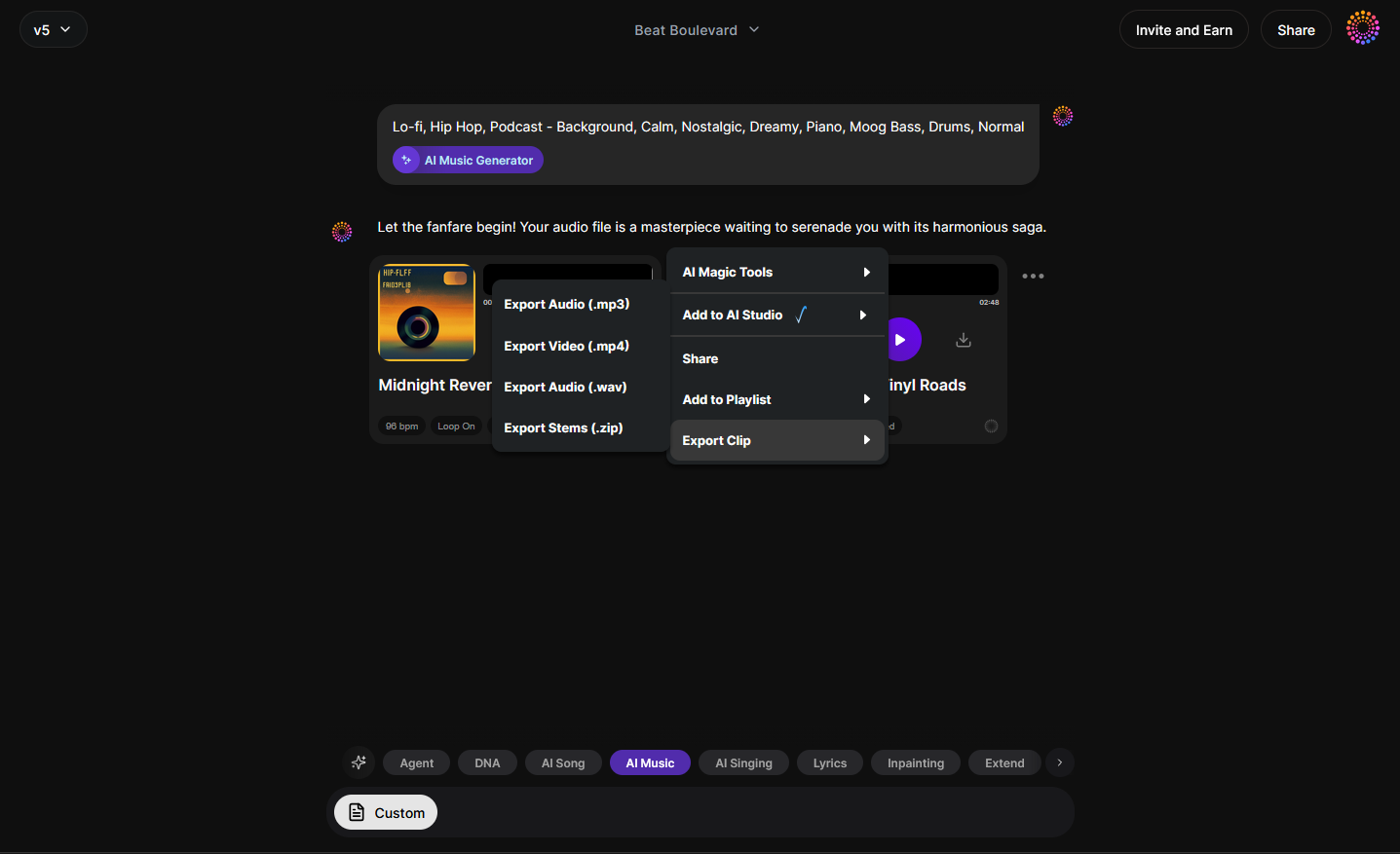
Once your track is complete, export it as a WAV or MP3. You can then import vocals or use the beat as a foundation for songwriting. For those who plan to remix or collaborate, exporting multi-track stems is beneficial. Soundverse’s Stem Separator can help dissect your beat into editable elements like drums, bass, and accompaniment—ideal for remixing or optimizing mixes. Check out the official article about the AI Stem Separation tool for deeper insights.
How to Make Beats That Fit Your Song Composition
Song composition involves integrating beats, melodies, harmonies, and structure into a cohesive piece. When making beats for your own songs, always think about how rhythm interacts with vocals and lyrical flow. In 2026, producers are blending beat-making and songwriting seamlessly, often starting with an instrumental loop and building lyrics around the mood it creates.
Focus on dynamic contrast: adding breaks, reverse effects, or slow transitions that support your storytelling. For example, use a minimal beat during verses and a dense, energetic beat for choruses.
Learning from genre diversity helps. Articles like how to create country music with Soundverse AI demonstrate how rhythm and instrumentation shift across musical styles.
How to Make Beats for a Song with Soundverse AI Music Generator
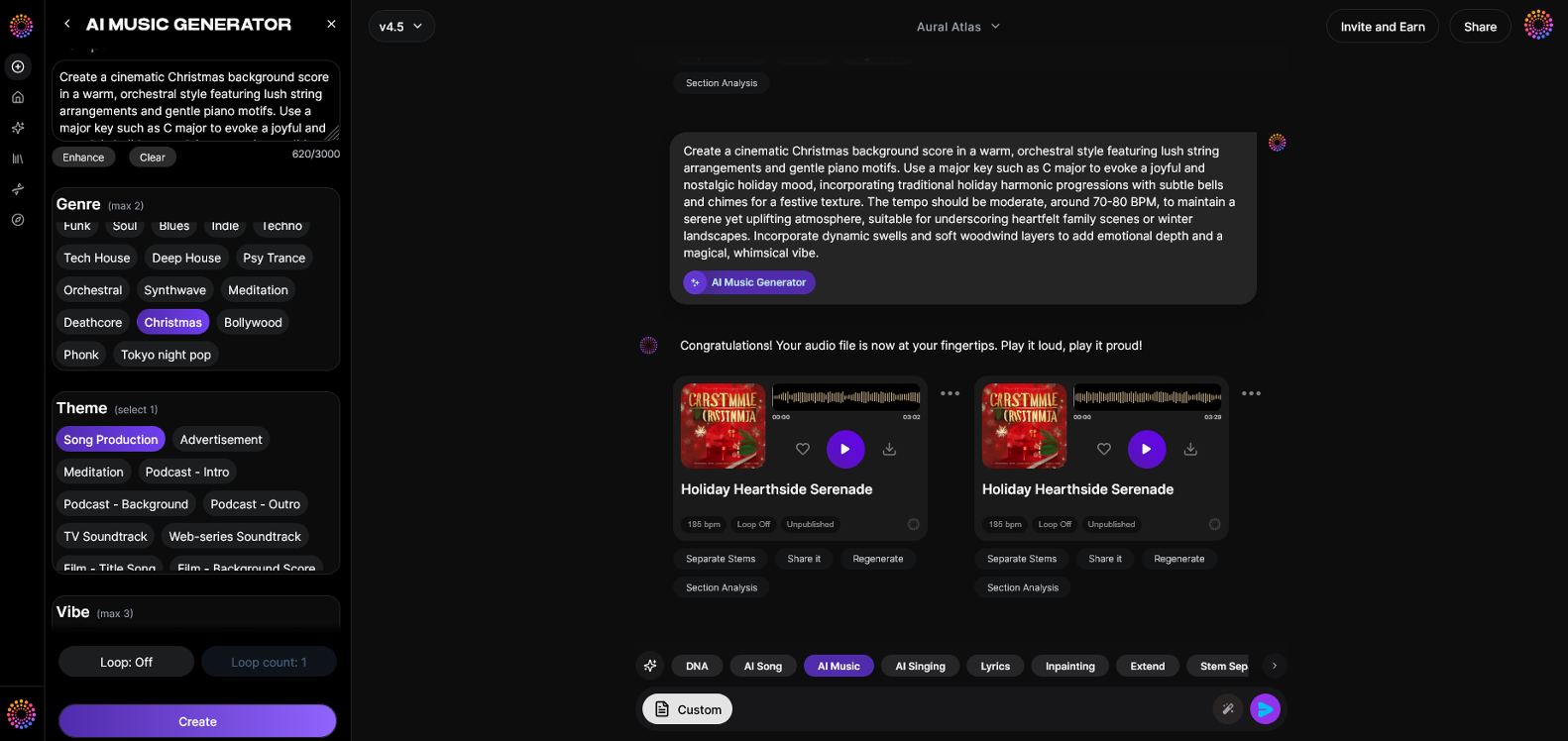
Now that you understand the creative workflow of making beats, here’s how you can create them instantly using Soundverse.
Soundverse AI Music Generator is a cutting-edge platform that converts text prompts into fully produced instrumental music. Instead of manually programming drums and instruments, you can generate high-quality beats by describing what you want.
Step 1: Feature Overview
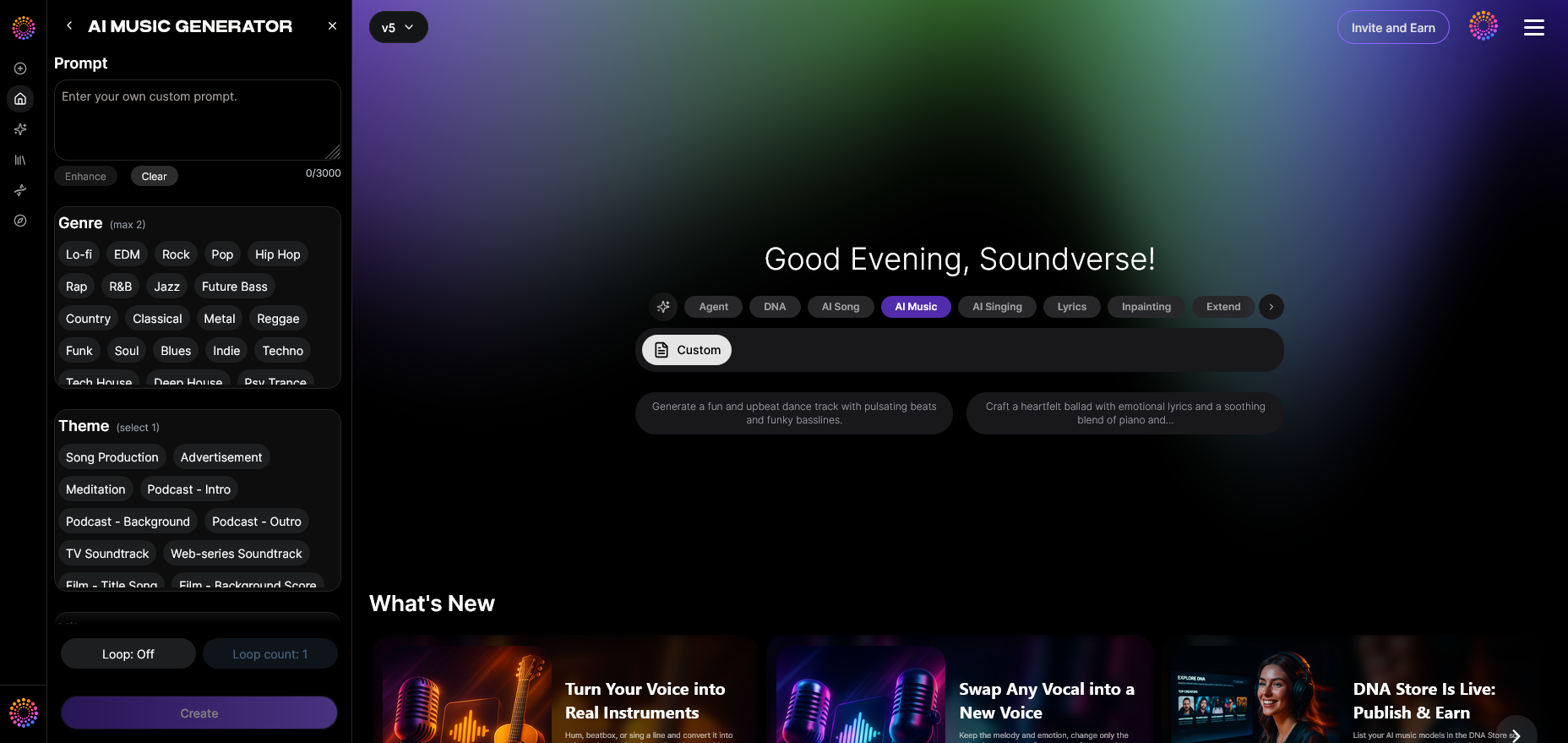
Access the AI Music Generator feature from the main menu in Soundverse. It offers dedicated options for genre, mood, and instruments.
Step 2: Description Input
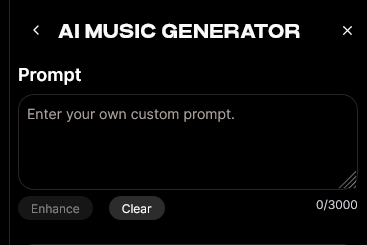
Type a descriptive prompt like “energetic hip-hop beat with punchy drums and deep bass.” The AI interprets text creatively to produce custom music.
Step 3: Style & Duration
Select the desired style—lo-fi, trap, pop, or jazz—and define the track duration. You can also enable Loop Mode for seamless playback, ideal for creating looping instrumentals or background tracks.
Step 4: Generation
Click “Generate.” Soundverse’s asynchronous system will process your description and produce an instrumental beat based on your parameters using its advanced V4 or V5 models.
Step 5: Export Options
Download your generated beat as a loopable instrumental file. You can then import it into any DAW or video project, or use Stem Separator for deeper editing.
Why Soundverse Is the Ideal Tool for Beat Makers in 2026
Producers in 2026 value fast, flexible, and high-quality creation tools. Soundverse stands out due to its text-to-music generation, seamless looping, and detail control over genre and mood—all without vocals, ensuring full creative freedom. Whether you’re composing for games, ads, or songs, the AI Music Generator offers music production shortcuts that still preserve artistic expression.
Its capabilities extend beyond background tracks. By combining Voice to Instrument, Stem Separator, and the core generator, users can craft beats from voice ideas, remix existing songs, or even collaborate with AI musicians, all in one ecosystem.
For deeper creative insights and industry perspectives, read how AI-generated music is transforming the music industry.
Start Making Beats with Soundverse Today!
Turn your musical ideas into full tracks in minutes using AI-powered beat creation. No studio? No problem—Soundverse gives you everything you need to start producing professional-level music instantly.
Create Beats Now
Related Articles
- Generate AI Music with Soundverse Text-to-Music: Discover how to transform text prompts into complete tracks with Soundverse’s text-to-music feature.
- How to Create Rap Music with AI: Learn step-by-step how to craft rhythmic beats and flows using Soundverse’s AI music generation tools.
- What Are Song Stems and Why Do You Need Them: Understand the importance of stems in music production and how they simplify remixing and beat-making.
- Soundverse Assistant: Your AI Music Co-Producer: Meet your new studio partner—the Soundverse AI Assistant that helps you create polished music even faster.
Here's how to make AI Music with Soundverse
Video Guide
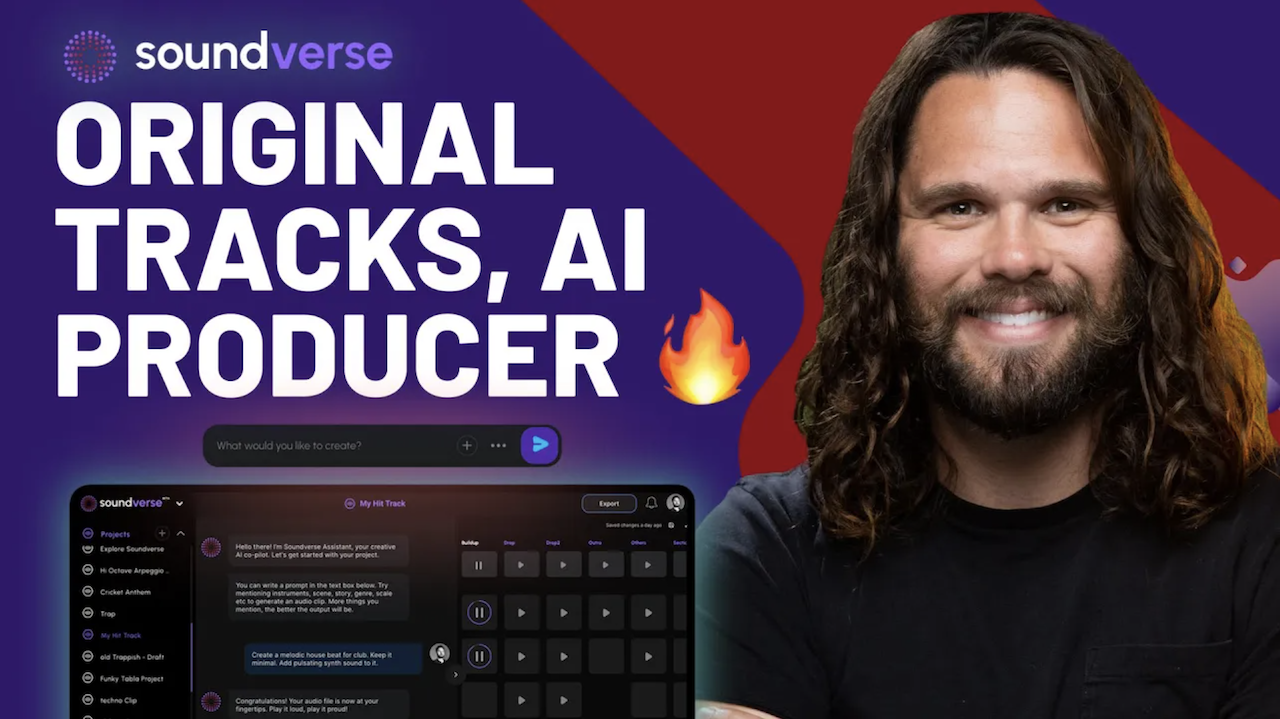
Here’s another long walkthrough of how to use Soundverse AI.
Text Guide
- To know more about AI Magic Tools, check here.
- To know more about Soundverse Assistant, check here.
- To know more about Arrangement Studio, check here.
Soundverse is an AI Assistant that allows content creators and music makers to create original content in a flash using Generative AI.
With the help of Soundverse Assistant and AI Magic Tools, our users get an unfair advantage over other creators to create audio and music content quickly, easily and cheaply.
Soundverse Assistant is your ultimate music companion. You simply speak to the assistant to get your stuff done. The more you speak to it, the more it starts understanding you and your goals.
AI Magic Tools help convert your creative dreams into tangible music and audio. Use AI Magic Tools such as text to music, stem separation, or lyrics generation to realise your content dreams faster.
Soundverse is here to take music production to the next level. We're not just a digital audio workstation (DAW) competing with Ableton or Logic, we're building a completely new paradigm of easy and conversational content creation.
TikTok: https://www.tiktok.com/@soundverse.ai
Twitter: https://twitter.com/soundverse_ai
Instagram: https://www.instagram.com/soundverse.ai
LinkedIn: https://www.linkedin.com/company/soundverseai
Youtube: https://www.youtube.com/@SoundverseAI
Facebook: https://www.facebook.com/profile.php?id=100095674445607
Join Soundverse for Free and make Viral AI Music
We are constantly building more product experiences. Keep checking our Blog to stay updated about them!