AI Music and the Next Era of Creation: How Artificial Intelligence is Redefining Music in 2026
Explore how AI music is transforming creativity in 2026 and reshaping the future of music production.
AI Music and the Next Era of Creation
Introduction
The landscape of music creation has undergone a radical transformation in recent years, driven by advances in artificial intelligence (AI). In 2026, AI music sits at the center of a global creative revolution. From independent artists composing entire albums using algorithms to major studios integrating automated composition tools, the relationship between musicians and technology has never been more symbiotic. The question today isn’t if AI will shape the sound of the future—it’s how.
For musicians, producers, and sound designers, this wave of innovation isn’t merely a technological upgrade. It represents a philosophical shift where creativity merges with computation, unlocking endless possibilities in style, tone, and production speed. Tools once seen as novelties have matured into professional-grade systems capable of producing emotionally resonant, industry-standard outputs.
As we step further into this new era of production, let’s explore the evolving role of AI music, the leading trends in music technology, and how platforms like Soundverse are helping musicians maintain control, ethics, and identity in an increasingly automated world.
What is AI Music and How Has it Evolved by 2026?
AI music refers to the use of artificial intelligence algorithms to compose, arrange, perform, or assist in musical creation. In 2024 and 2025, these technologies focused primarily on generating instrumental backtracks and simple melodies. By 2026, AI has evolved to understand context, emotional tone, and sonic identity, producing tracks indistinguishable from human-created compositions.
Modern AI music systems leverage deep learning architectures that analyze rhythm structures, harmonic language, and timbral qualities across thousands of sound samples. The result isn’t just sound generation—it’s music understanding. These AIs can emulate recognizable artistic signatures, blend genres seamlessly, and adapt dynamically to creative direction provided through natural language prompts.
This level of nuance means that AI is no longer merely an assistant in composition—it’s becoming a collaborator capable of turning abstract ideas into fully arranged album-ready music. For an applied example, check out our guide on how to make music from the Soundverse Tutorial Series.
What are the Biggest Music Technology Trends in 2026?
AI has influenced every corner of the music ecosystem. The most prominent music technology trends of 2026 highlight just how deeply automation, blockchain, and machine learning are now embedded in sound production.
- Ethical AI training and licensed datasets: After major debates in 2024 and 2025 about data usage, 2026 is the year of transparency. Platforms now emphasize consent-based training models where artists are compensated when their work trains AI systems.
- Integrated sound identity tools: Musicians are using AI to create signature timbres—custom vocal styles, drum tones, or synth profiles that establish a brand sound across various tracks.
- Creative AI tools for musicians: From voice synthesis to mastering assistants, musicians are assembling AI-driven workflows that drastically reduce production time while increasing creative control. These workflows integrate advancements from leading AI music generators of 2026.
- AI-driven collaborations: Producers in different continents collaborate using cloud-based co-creation interfaces, enabling cross-style evolution without exchanging raw session files.
- Generative music for multimedia: Film, television, and gaming continue to demand adaptive soundtracks. AI is being tasked with producing dynamic compositions that shift mood based on scene changes.
- Personalized streaming and listening: Recommendation engines in 2026 adapt playlists based not just on genre but listener emotion, body rhythm data from wearables, and contextual cues.
Together, these trends point toward a single truth—AI is not replacing human musicians. Instead, it’s enhancing what they can achieve and democratizing access to production-level creativity. Watch our tutorial on the Explore Tab to see how these tools integrate into creative workflows.
How is Artificial Intelligence Changing the Future of Music Creation?
The future of music creation in 2026 is defined by accessibility and personalization. Artists who once needed studios filled with hardware now compose from home using text-to-music interfaces. AI interprets descriptive prompts such as “a nostalgic piano ballad with cinematic tension” to generate authentic compositions that artists can refine.
AI’s role also extends into style continuity. Musicians can generate multiple tracks that share a consistent tonal footprint, ensuring a recognizable sonic signature. This capability feeds into branding, livestream performances, soundtrack production, and even deployment in games and social media content.
For producers, AI streamlines idea development. Instead of spending days searching for the right chord progression or vocal line, AI proposes tonal ideas tailored to their aesthetic. Once inspiration strikes, artists refine these ideas manually, maintaining human authenticity while leveraging machine precision. For hands-on learning, see our Deep House tutorial that demonstrates adaptive AI composition in action.
These capabilities reshape the music economy. Musicians can now create at scale, offer fans custom songs, or license their sonic DNA through secure frameworks—a model made possible by ethical design and robust attribution infrastructure.
How AI-Generated Songs Are Becoming Mainstream in 2026
AI-generated songs were experimental just two years ago. By 2026, they’re charting on mainstream platforms. With AI models now capable of understanding lyrical mood and structure, creators use algorithms to create emotionally rich verses and choruses that rival traditional songwriting.
Music platforms have adapted, labeling AI-assisted works transparently and providing collaborative credit frameworks. What makes today’s AI music particularly compelling is its humanized nuance—microtiming imperfections, dynamic phrasing, and evolving emotional contours are intentionally modeled to mirror human creativity.
Independent musicians especially benefit. Without large budgets, indie creators can now explore professional-grade production, pairing their recordings with AI-generated instrumentals or vocal harmonies. This inclusive model drives greater diversity in sound and expression.
What Ethical Challenges Exist in AI Music—and How Are They Solved?
The rapid adoption of artificial intelligence in music raised early concerns around copyright, consent, and originality. Many models prior to 2025 scraped unlicensed music from archive databases, leading to artist pushback and legal uncertainties.
In 2026, ethical frameworks are now central. Solutions like Soundverse’s Ethical AI Music Framework foster a transparent environment where datasets, training consent, and attribution are publicly verified. Artists maintain authority over how their style data is used, receiving royalties whenever derivative works employ their DNA model.
Such mechanisms ensure that progress doesn’t undermine artist integrity. Artistry remains respected, compensated, and traceable.
How to Make AI Music with Soundverse DNA
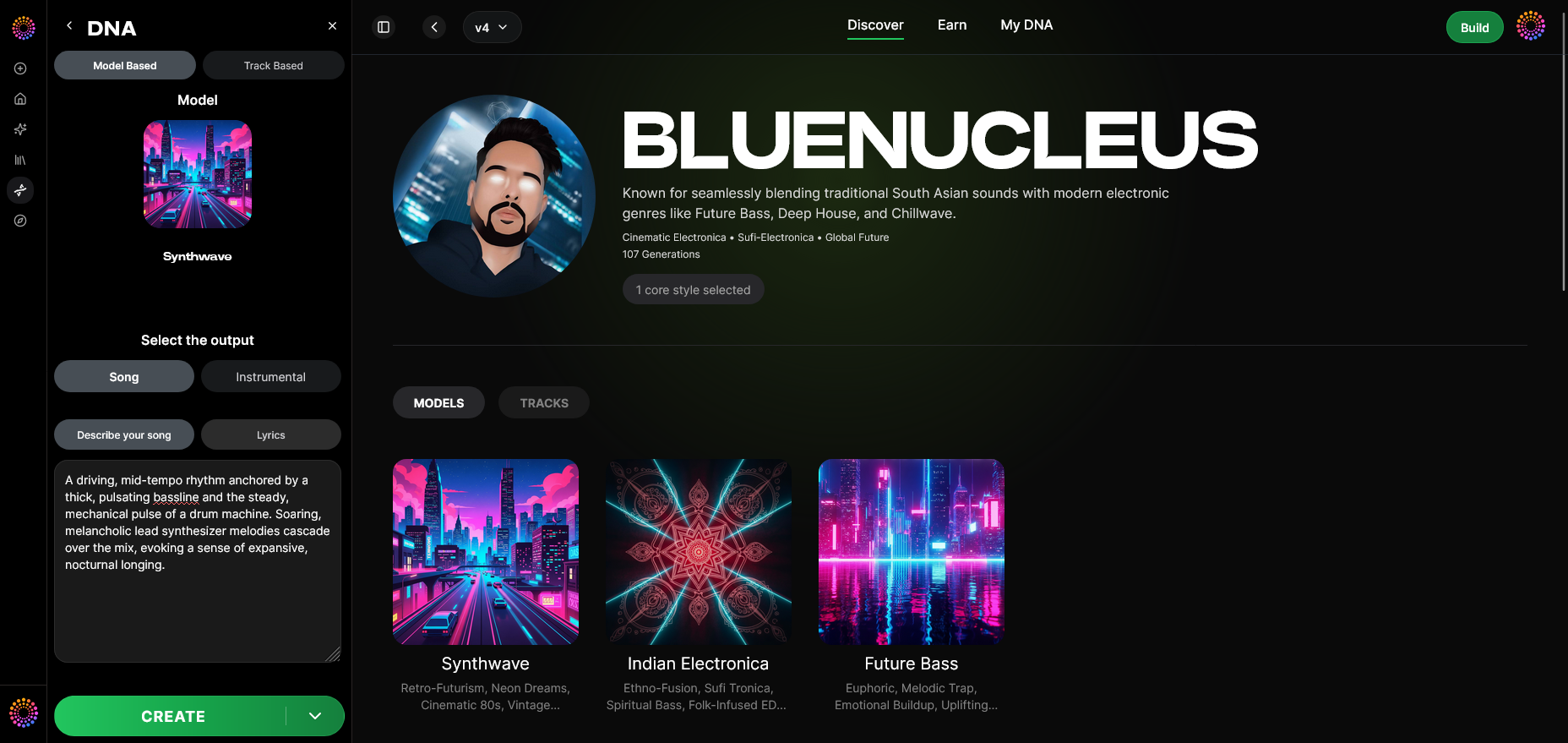
Soundverse DNA represents the next major evolution in AI-powered creativity. It’s an artist-trained music generation system designed to create original works reflective of unique sonic identities while upholding ethics and style ownership.
Unlike traditional generators, Soundverse DNA operates using licensed training catalogs. Artists willingly contribute recordings, which are securely processed into individualized models—each capturing the essence of their tone, rhythm, and texture. Fans and producers can then generate new tracks inspired by that DNA, bringing authenticity and consistency without infringing intellectual property.
Key Capabilities of Soundverse DNA:
- Full DNA and Voice DNA: Generate music or singing that mirrors specific artistic identity.
- DNA Marketplace: License your style ethically, allowing others to co-create legally while you earn royalties.
- Sensitivity Selector: Adjust accuracy and responsiveness by catalog eras or stylistic phases.
- Private Mode: Collaborate securely with full control over output visibility.
Primary Use Cases:
- Artist Monetization: Musicians can upload their style so others can generate derivative works, earning recurring revenue.
- Sonic Branding: Businesses maintain cohesive sound identities across ads, films, and brand videos.
- Film/Game Scoring: Producers generate style-matched cues without breaching licensing laws.
- Personal Workflow Enhancement: Streamline composition by using your unique DNA model to create inspired variants instantly.
Soundverse ties everything together through its Ethical AI Music Framework, Soundverse Trace, and Content Partner Program—ensuring every generated output includes proper attribution, security, and reward systems. It’s an auditable path from creativity to compensation.
You can read more about how Soundverse bridges innovation and integrity in AI-driven artistry in related blogs like How AI-Generated Music is Transforming the Music Industry, Soundverse AI Revolutionizing Music Creation for New-Age Content Creators, and Mubert Alternatives: Soundverse.
Why Soundverse DNA Represents the Future of AI Music Creation
The integration of data ethics, transparent monetization, and creator control defines the future of music creation in 2026. Soundverse DNA doesn’t just generate sound—it sustains artistic ecosystems. It allows collaboration without compromise, balancing technological power with respect for human creativity.
With Soundverse, musicians can:
- Retain ownership of their digital likeness.
- Expand creative productivity through intelligent generation.
- Tap into new revenue channels through ethical style licensing.
- Foster community-driven innovation grounded in trust.
In a digital world saturated with content, originality, authenticity, and identity are everything. Soundverse DNA ensures these remain intact—even as algorithms grow more sophisticated.
Start Creating Your Own AI Music Today
Explore endless musical possibilities with Soundverse’s AI-powered tools. From composing original tracks to refining your unique sound, let AI enhance your creative journey.
Create Music with AI →
Related Articles
- How an AI Music Generator Inspires Creative Fusion — Discover how AI-driven tools spark innovative blends of genres and transform human artistry.
- The Role of AI Music in Film and Television — Learn how AI music composition is redefining background scores and cinematic storytelling.
- AI Music Generator and Human Composers: A Future Together — Explore how AI complements human creativity, paving the way for collaborative composition.
- The Benefits of Composing with an AI Music Generator — Find out how AI tools accelerate composition, inspire ideas, and streamline the creative process.
Here's how to make AI Music with Soundverse
Video Guide
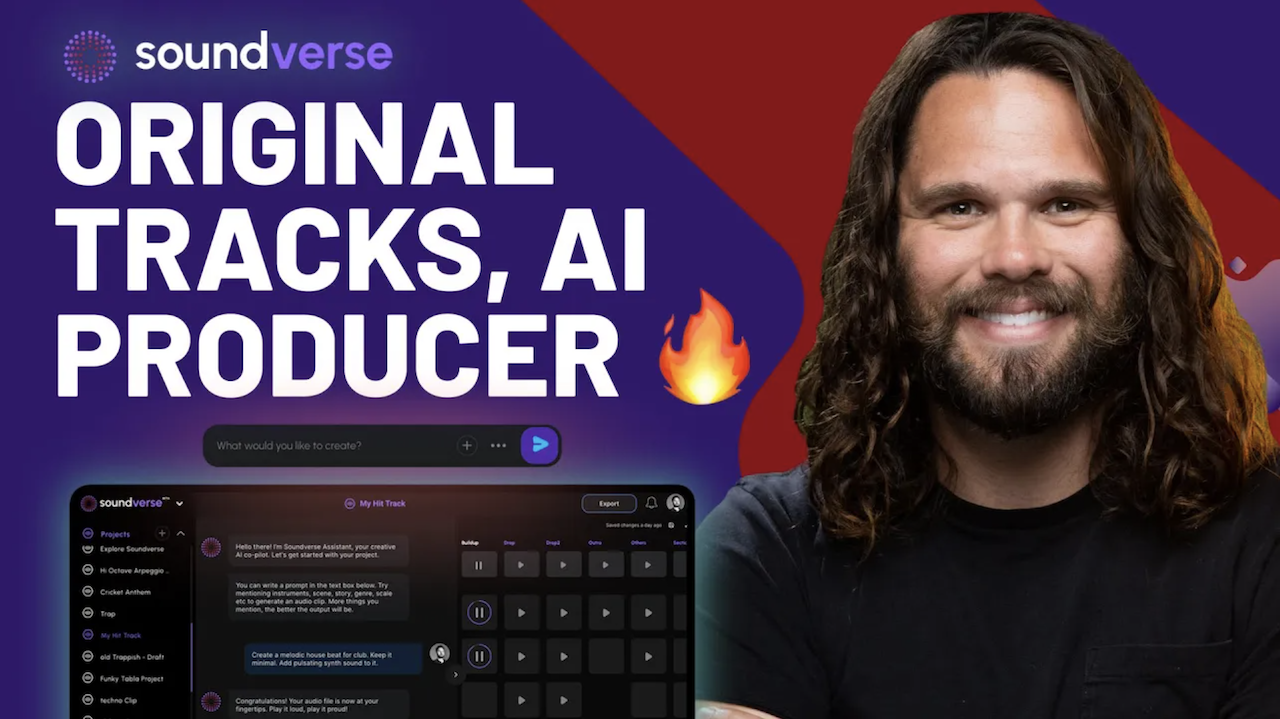
Here’s another long walkthrough of how to use Soundverse AI.
Text Guide
- To know more about AI Magic Tools, check here.
- To know more about Soundverse Assistant, check here.
- To know more about Arrangement Studio, check here.
Soundverse is an AI Assistant that allows content creators and music makers to create original content in a flash using Generative AI.
With the help of Soundverse Assistant and AI Magic Tools, our users get an unfair advantage over other creators to create audio and music content quickly, easily and cheaply.
Soundverse Assistant is your ultimate music companion. You simply speak to the assistant to get your stuff done. The more you speak to it, the more it starts understanding you and your goals.
AI Magic Tools help convert your creative dreams into tangible music and audio. Use AI Magic Tools such as text to music, stem separation, or lyrics generation to realise your content dreams faster.
Soundverse is here to take music production to the next level. We're not just a digital audio workstation (DAW) competing with Ableton or Logic, we're building a completely new paradigm of easy and conversational content creation.
TikTok: https://www.tiktok.com/@soundverse.ai
Twitter: https://twitter.com/soundverse_ai
Instagram: https://www.instagram.com/soundverse.ai
LinkedIn: https://www.linkedin.com/company/soundverseai
Youtube: https://www.youtube.com/@SoundverseAI
Facebook: https://www.facebook.com/profile.php?id=100095674445607
Join Soundverse for Free and make Viral AI Music

We are constantly building more product experiences. Keep checking our Blog to stay updated about them!