AI Music and Future Royalties: How Artists Will Earn in 2026
Learn how AI music royalties redefine music revenue models in 2026.
AI Music and Future Royalties
The rise of artificial intelligence in music has completely rewritten the playbook for how creators, producers, and digital rights managers think about royalties and revenue. As we step into 2026, the question isn’t whether AI-generated songs will be part of the future—it’s how artists will actually get paid for them. Understanding AI music royalties is now essential for anyone shaping the next generation of the music economy.
What are AI music royalties and why do they matter in 2026?
AI music royalties refer to payments made to rights-holders when their work—such as stems, songs, or samples—is used by AI systems to train or generate new compositions. Unlike traditional royalties tied to performance, synchronization, or mechanical rights, these royalties are usage-based and programmable through smart frameworks.
In 2026, AI in the music industry isn’t just augmenting creativity; it’s restructuring how ownership and compensation work. Every element—melodies, rhythms, styles—can now be digitally attributed and monetized. Musicians who once feared being replaced by AI are learning that participation through ethical frameworks can yield steady, recurring income streams, especially when their contributions influence AI-generated songs.

How have music revenue models evolved to include AI?
Historically, music revenue came from record sales, touring, licensing, and publishing. But after 2024, the conversation shifted dramatically toward AI-centric monetization. The emergence of text-to-music tools and AI co-producers popularized by platforms like Soundverse and others changed how music was made and distributed.
By 2026, we now see three dominant revenue models in AI music ecosystems:
- Data Licensing Models: Artists and labels license their catalogs for AI model training. Each dataset entry is tracked, ensuring proportional compensation when the AI generates content influenced by that data.
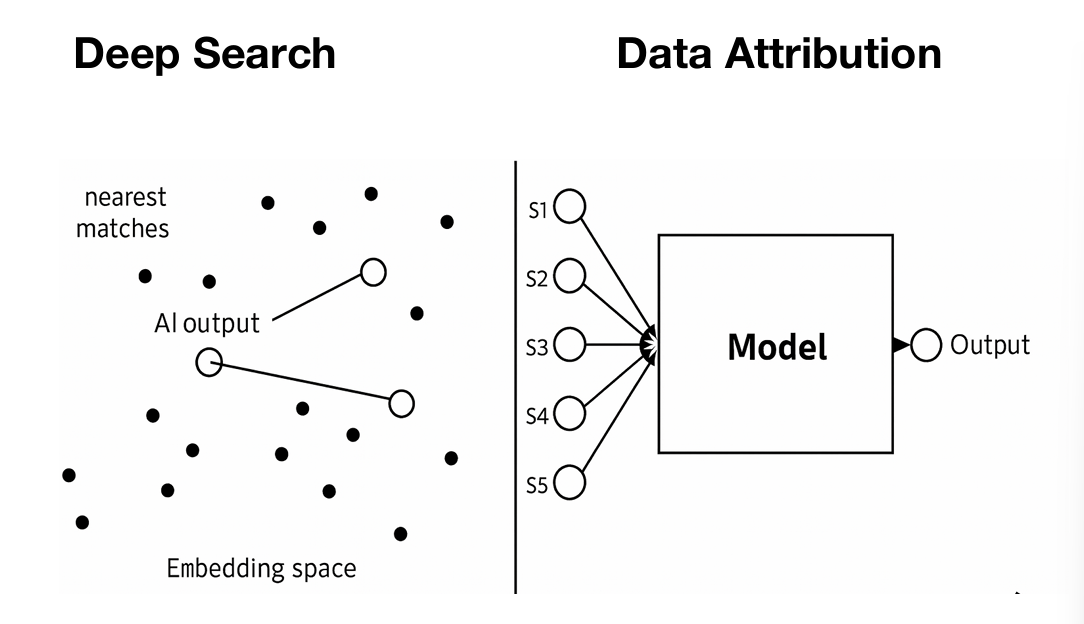
- Attribution-Based Royalties: Payments depend on measurable impact—meaning the more an artist’s data contributes to generation patterns, the higher the earning potential.
- Collaborative Generation Models: Musicians co-create with AI and retain split royalties from all usage or downloads—similar to joint songwriting but at machine speed.
This hybrid monetization blends traditional copyright law with new technological traceability, paving the way for transparent systems that reward creative influence instead of opaque licensing deals.
What challenges exist in royalty distribution for AI-generated songs?
The biggest challenge facing royalty distribution in AI-generated music is attribution. How do you determine how much influence a single guitar riff, chord progression, or vocal tone had in teaching an AI model? Most black-box systems offer little visibility.
There are also ethical concerns about consent—did artists agree to have their work used for AI training? As courts and music rights organizations continue to adapt, this transparency gap has limited the scalability of fair AI royalty schemes.
Moreover, traditional performance rights organizations (PROs) are struggling to track AI-generated outputs at the required granularity. This makes automated, blockchain or ledger-based accounting essential for 2026 and beyond.
How new royalty frameworks are reshaping the future of music monetization
In the past two years, ethical AI frameworks have become the foundation of next-generation music revenue models. Global labels and indie artists alike are seeking solutions that let them monetize both participation and originality.
Here are the major shifts happening now:
- Consent-Driven Licensing: Artists explicitly opt in to training programs, ensuring control over their creative footprint.
- Influence Measurement: Royalties depend on how often and how significantly an artist’s data is referenced by AI outputs.
- Usage-Based Micropayments: Instead of relying on unpredictable streaming royalties, micropayments are triggered every time AI systems use a dataset.
- Cross-Platform Tracking: Modern systems leverage traceability tools similar to Soundverse Trace to verify usage across multiple outputs and formats.
- Creator Dashboards: Artists monitor their contributions, usage reports, and payments transparently without waiting months for statements.
As these approaches solidify, AI music royalties are becoming a major new income stream for producers, composers, and even catalog owners who have long struggled to monetize older works.
How to make fair AI music royalties work with Soundverse Content Partner Program
To address the structural challenges and ethical concerns around AI training, Soundverse introduced the Content Partner Program—a flagship framework built on fairness, accountability, and recurring revenue.
The Content Partner Program is an opt-in licensing framework that allows rights-holders to contribute their audio catalogs for AI training. In return, they receive recurring, usage-based royalties based on attribution data. Simply put, when your sounds or compositions influence AI-generated music across Soundverse's ecosystem, you receive payment proportionate to your contribution.
Core Features and Capabilities:
- Influence-Based Payouts (Pay per generation): Compensation directly ties to your work’s influence within generated content.
- Tiered Licensing (Tiers 1–6): Rights-holders can choose the level of access granted to AI training models—ranging from exclusive, high-royalty tiers to open participation models for exposure-based growth.
- Real-Time Dashboards for Earnings: Artists access transparent data insights through an intuitive earnings dashboard.
- Transparency Reports on Data Usage: Each partner receives verification on where and how their content was used for training or generation.
Primary Use Cases:
- Monetizing Back Catalogs: Legacy recordings can now generate fresh revenue without re-releasing music.
- Ethical AI Training: Enable innovation responsibly, ensuring every dataset used has consent.
- Protecting Rights in the AI Economy: Transform your creative assets into programmable, transparent revenue lines.
For musicians exploring sustainable ways to engage with AI, this program represents a proven model of ethical collaboration. For a deeper dive, watch our guide on creating Deep House music or explore the Soundverse tutorial on how to make music.
What will the royalty ecosystem look like by 2030?
Looking ahead, the future of music monetization will rely heavily on modular, interoperable systems that unite legal frameworks, blockchain verification, and machine learning models. The concept of static ownership is evolving toward dynamic participation—artists will earn not just from finished songs but from micro-contributions across countless outputs.
By 2030, smart contracts will drive most AI music royalty transactions, enabling frictionless royalties across virtual metaverses, film syncs, and generative music engines. Early adopters of frameworks like Soundverse’s Content Partner Program are positioning themselves at the economic center of this new creative trade network.
For artists concerned about staying competitive, learning how AI music generators operate is crucial. Check out materials such as Generate AI Music with Soundverse Text-to-Music or guides like How to Create Country Music with Soundverse AI for hands-on creative exploration.
Start Earning Smarter with AI Music Royalties
Discover how creators can harness Soundverse’s AI tools to produce music and manage royalties with clarity and efficiency. Join the new era of music monetization today.
Sign Up Free →
Related Articles
- How AI-Generated Music Is Transforming the Music Industry: Explore how AI innovation is reshaping every corner of the music business, from composition to rights management.
- AI Music Generator and Human Composers: A Future Together: Learn how AI and human creativity can coexist to create tunes that are both technological and soulful.
- Copyright-Free vs. Royalty-Free Music: What Creators Should Know: Understand the key differences between copyright-free and royalty-free tracks to make smarter publishing decisions.
- The Role of AI Music in Film and Television: See how AI-driven compositions are revolutionizing soundtrack creation across entertainment media.
Here's how to make AI Music with Soundverse
Video Guide

Here’s another long walkthrough of how to use Soundverse AI.
Text Guide
- To know more about AI Magic Tools, check here.
- To know more about Soundverse Assistant, check here.
- To know more about Arrangement Studio, check here.
Soundverse is an AI Assistant that allows content creators and music makers to create original content in a flash using Generative AI.
With the help of Soundverse Assistant and AI Magic Tools, our users get an unfair advantage over other creators to create audio and music content quickly, easily and cheaply.
Soundverse Assistant is your ultimate music companion. You simply speak to the assistant to get your stuff done. The more you speak to it, the more it starts understanding you and your goals.
AI Magic Tools help convert your creative dreams into tangible music and audio. Use AI Magic Tools such as text to music, stem separation, or lyrics generation to realise your content dreams faster.
Soundverse is here to take music production to the next level. We're not just a digital audio workstation (DAW) competing with Ableton or Logic, we're building a completely new paradigm of easy and conversational content creation.
TikTok: https://www.tiktok.com/@soundverse.ai
Twitter: https://twitter.com/soundverse_ai
Instagram: https://www.instagram.com/soundverse.ai
LinkedIn: https://www.linkedin.com/company/soundverseai
Youtube: https://www.youtube.com/@SoundverseAI
Facebook: https://www.facebook.com/profile.php?id=100095674445607
Join Soundverse for Free and make Viral AI Music

We are constantly building more product experiences. Keep checking our Blog to stay updated about them!
Image Steps: []